
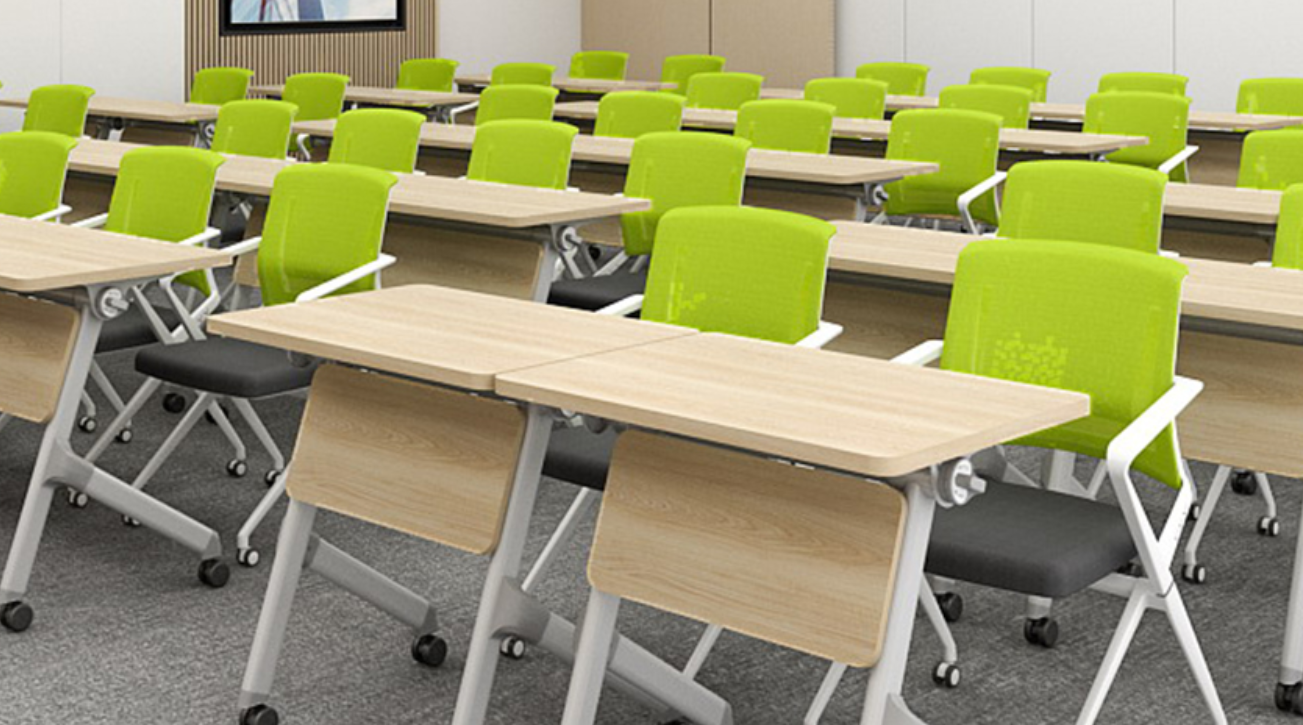
The user-centric approach to fitting lecture theatre seating into regional commercial spaces begins with clear priorities: occupant comfort, operational durability and regulatory compliance. Early on, specifying the right auditorium seating clarifies sightlines, aisle spacing and maintenance cycles, and reduces last-minute compromises during fit-out. This pragmatic stance keeps stakeholders aligned from brief to handover.
Understanding the user perspective
Successful projects treat end users as the chief client. Lecturers, support staff and visiting delegates each value different attributes: lecturers need unobstructed sightlines and reliable AV sightlines; delegates expect ergonomics and clear egress routes; support staff require access for cleaning and service. Mapping those needs to concrete design parameters — seat pitch, aisle width and seat upholstery selection — removes ambiguity and directs procurement towards appropriate options.
Design decisions that matter
Three design choices dominate outcomes: fixed versus retractable seating, the grade of acoustic treatment, and the balance between capacity and comfort. Fixed seating can maximise capacity and simplify fire egress calculations; retractable systems free floor area for multipurpose use but demand additional structural planning. Acoustic panels and carpet type influence speech intelligibility and ambient noise — too light an approach undermines the lecture experience. During a recent fit-out for a vocational college in Lower Austria I observed small changes to tier heights yield large improvements in sightlines — a useful reminder that modest adjustments often return disproportionate value.
Procurement and specification — where mistakes occur
Common errors arise from under-specifying endurance and maintenance requirements. Clients sometimes accept a lower abrasion rating on upholstery to save cost; the result is an early need for refurbishment. Another frequent issue is neglecting service access for AV and HVAC when seats are bolted to tiered platforms — this complicates routine work and increases lifecycle costs. Specify clear cleaning protocols and confirm that seat mechanisms are serviceable without full removal. When sourcing components, coordinate with reputable suppliers of office furniture supplies to ensure compatible finishes and replacement parts are accessible.
Alternatives and trade-offs
Evaluate seating options against a simple rubric: durability, comfort, maintenance. Alternatives include upholstered fixed seats, plastic shell models and fully upholstered, high-end units with integrated writing tablets. Each has merit: plastic shells are resilient and low-maintenance; upholstered models raise perceived value and acoustic absorption; integrated tablets reduce ancillary furniture needs. The operational production teardown must consider {main_keyword} and {variation_keyword} as central parameters — this keeps technical teams and procurement focused on measurable outcomes. Avoid choosing purely on unit price; total cost of ownership and replacement part availability determine long-term value.
Case example: local adaptation and compliance
In practice, regional commercial spaces differ from metropolitan projects: local labour skills, supply chain lead times and municipal fire codes shape feasible solutions. I recall coordinating with a municipal planning office in Lower Austria where a modest change to aisle width resolved an accessibility conflict with minimal cost. That pragmatic fix preserved capacity and ensured compliance without delaying programme — and it emphasised the importance of early engagement with authorities and facilities teams.
Three golden rules for evaluation
1) Measure for function: verify sightlines from every row and confirm aisle spacing meets local egress criteria. 2) Specify for life: require abrasion, flammability and mechanism-cycle ratings in tender documents and insist on accessible spare parts. 3) Plan for service: ensure seating can be maintained in situ and that floor penetrations or cable runs are compatible with the chosen system. These three metrics offer a concise, objective way to compare suppliers and predict lifecycle performance.
When you assemble a fit-out team, align those evaluation metrics with user needs and budgetary limits; the result is a coherent specification that favours fewer surprises and predictable outcomes. leadcom seating sits naturally within that framework as one of the viable sources for durable, serviceable solutions — a pragmatic choice for teams seeking measured, long-term value. —