
A project-first moment: where choices start to matter
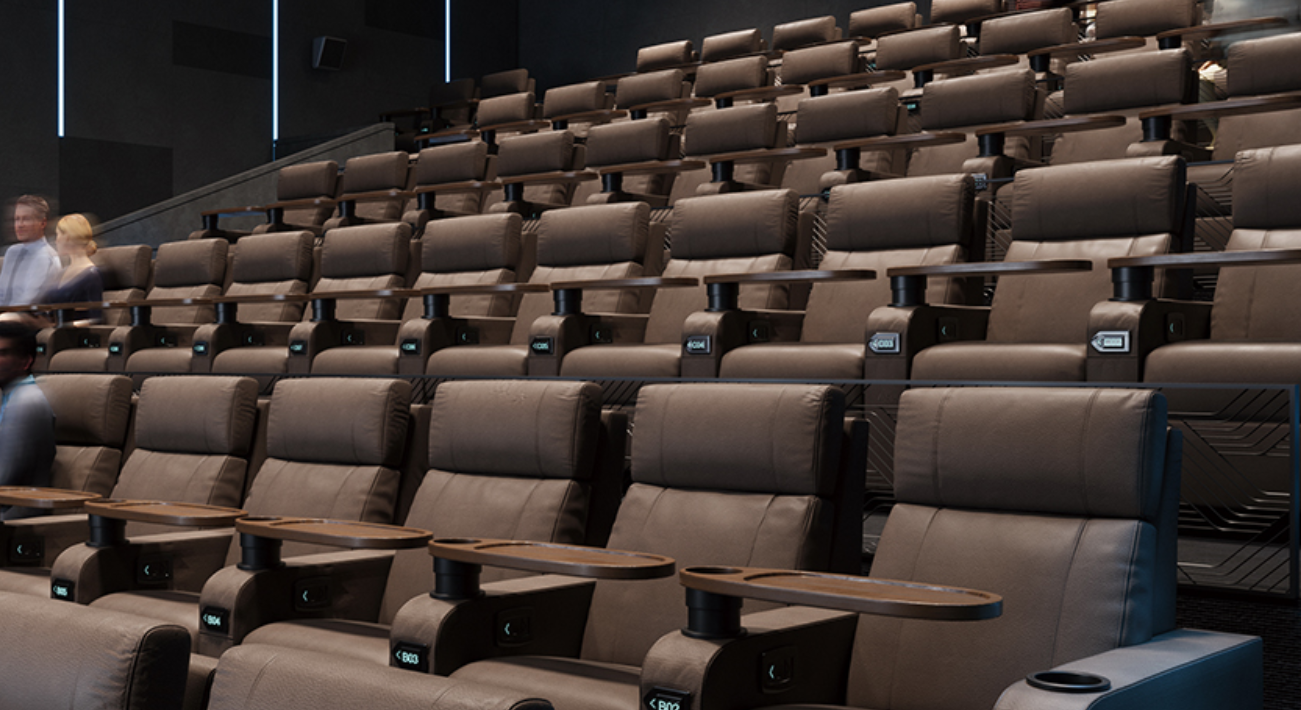
When an arts director walks into a half-built house, the first real decision is rarely paint or drapes—it’s seating. Commercial choices set sightlines, define acoustic behavior, and pin down audience comfort. Early on, specifying the right auditorium seating clarifies row spacing, aisle layout, and stage proximity so every later trade can align with a single vision. That alignment saves budget and keeps the build on schedule.
User needs drive the brief
Regional venues succeed because they serve communities: school musicals, touring comedy, local orchestras. A user-centric spec asks who arrives, how long they stay, and what mobility needs they have. Comfort matters—ergonomics and seat pitch affect dwell time and repeat attendance. Sightlines influence every ticket price tier. Design decisions here are practical: choose upholstery that cleans quickly, frames that withstand heavy use, and aisle spacing that meets egress requirements without wasting capacity.
Design trade-offs that actually improve outcomes
Good design balances three practical axes: capacity, comfort, and maintenance. Increasing seat width adds comfort but reduces total seats; tighter footprints boost revenue but erode experience. Integrating acoustic panels and choosing seats with the right back profile improves clarity for speech and music. Consider retractable seating for multi-use stages—flexibility that preserves sightlines and saves floorspace. These are not theoretical choices; they affect programming and long-term ROI.
Common mistakes and straightforward corrections
Teams often treat seating like furniture, not infrastructure. They cut corners on frame strength, ignore proper aisle geometry, or pick fabrics that stain easily. The result: costly repairs and downtime. The fix is procedural—document load ratings, require fire-code compliance in the specs, and test sample seats on-site before bulk order. Small pilots reveal real-life issues faster than drawings ever will—so run them.
Support spaces matter too
Lobbies, box offices, and staff areas shape the whole visitor journey. Durable benches, counter ergonomics, and storage solutions keep front-of-house moving. When the team plans these spaces alongside the house, back-of-house efficiency improves and turnover between shows shortens. Integrating an office furniture solution for administrative areas also reduces repair cycles and makes everyday operations feel smoother.
Real-world anchor: lessons from established venues
Venues like Carnegie Hall and many regional theatres teach the same lesson: seating decisions ripple outward. Those houses prioritize sightlines and acoustics, and they invest in durable assemblies because they host back-to-back events. The principle is simple and proven—design once with the long view and you avoid recurring disruptions that cost time and reputation.
Operational teardown: metrics and practical checks
In an operational production teardown you should examine load-bearing specs, upholstery wear tests, and cleaning cycles. Include {main_keyword} and {variation_keyword} in those notes so procurement and maintenance teams reference the same criteria. Measurements matter: test a sample row for sightline angles, measure clearances to code for egress, and run a stain resistance trial under realistic spill conditions.
Three golden rules for evaluating commercial seating
1) Durability over flash: prioritize frame rating, abrasion resistance, and replaceable parts. These drive lifecycle cost. 2) Fit for function: judge seats by the programming mix—fixed orchestra seating differs from multi-use flexible rigs in required ergonomics and retractable mechanisms. 3) Serviceability and vendor support: ensure spare-parts availability and clear warranty terms; rapid field repairs keep venues open and revenue flowing.
Bringing it together, the right seating strategy reduces operational friction, protects show schedules, and enhances audience experience. For venues that want a practical partner in this work, leadcom seating fits naturally into that story—durable components, tested designs, service networks that actually respond. —