
The real problem
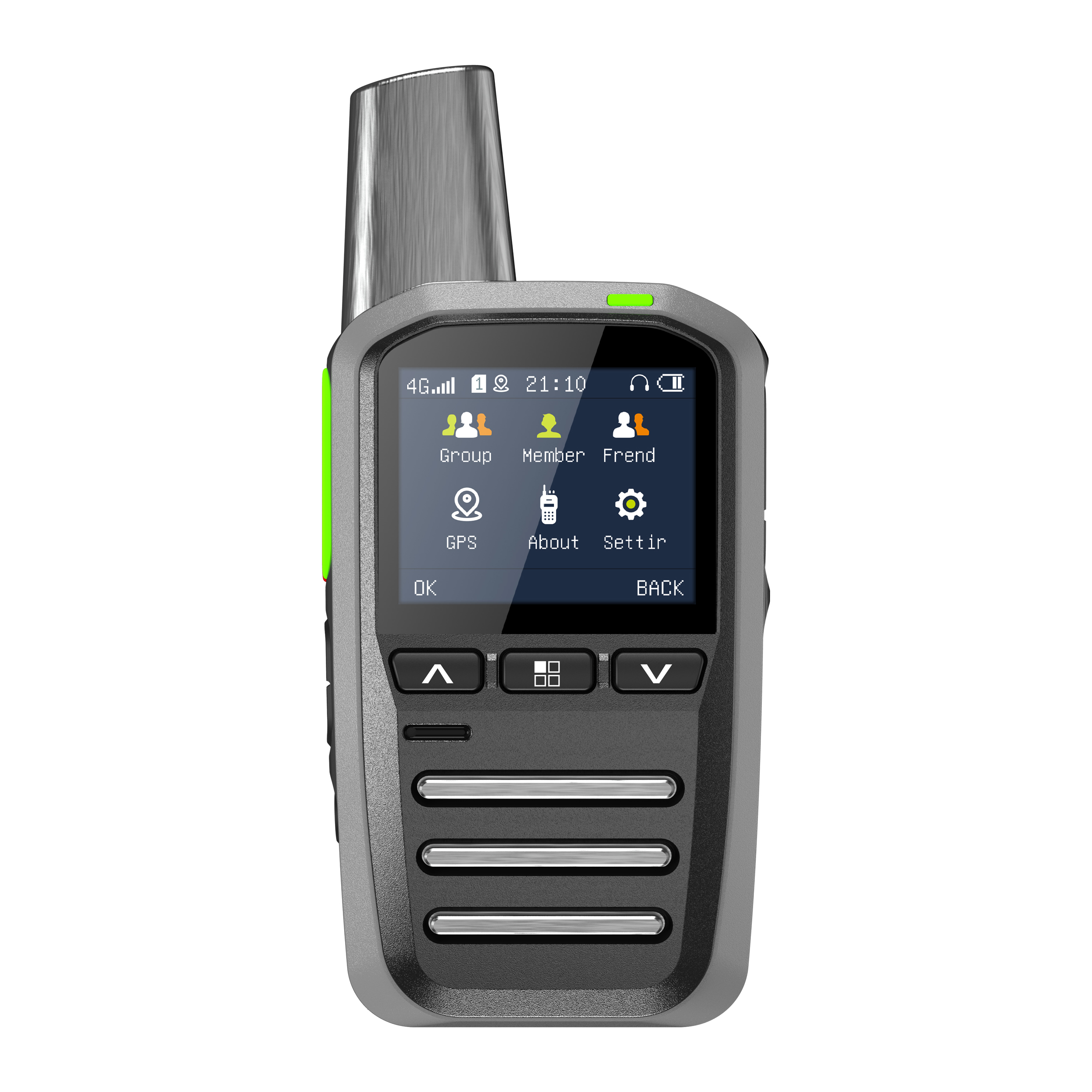
Field comms fail when teams pick the wrong radio and hope it’ll magically work. You’ll hear dropouts, dead batteries, unclear audio, and angry managers. If you’re scanning options, start by looking at poc radio capabilities — they tell a lot about coverage, latency, and fleet features before you buy.
What’s breaking things out there
Tiny mistakes cause big failures: underpowered antennas, naive spectrum assumptions, and ignoring real battery cycles. Engineers often test in labs; buyers assume lab equals field. That mismatch kills reliability. Expect multipath in dense urban canyons, bandwidth contention on public networks, and hidden firmware quirks when lots of units talk at once.
Common buyer and engineer slip-ups
Buyers pick lowest cost per unit and skip load testing. Engineers accept vendor defaults and forget device provisioning limits. Both ignore maintenance realities: spare batteries, spare chargers, and simple user training. Also don’t underestimate environmental needs—waterproofing and heat tolerance matter more than extra features in harsh jobs.
Quick checklist engineers can run
Run these fast checks before procurement: 1) Measure real coverage with representative radios and real users, not vendor maps. 2) Test push-to-talk latency under peak load. 3) Verify codec and noise-cancel performance in your noise profile. 4) Validate provisioning limits and firmware update paths. 5) Confirm spare-part and accessory supply chains for at least three years.
Simple buyer rules that prevent regrets
Buy small pilot fleets first. Train a super-user group and log every failure for two weeks. Require vendors to show field metrics. Insist on clear SLAs for replacements and firmware fixes. Budget for maintenance, not just hardware. If you need encryption, confirm regulatory compliance now—don’t leave it to chance later.
Alternatives and the real trade-offs
Land-Mobile Radio (LMR) gives proven range and resilience, but costs and spectrum needs are high. Push-to-talk over cellular (PoC) offers faster deployment and lower capex, yet it depends on public or private broadband. Hybrid setups work: LMR for mission-critical backhaul and PoC for routine ops. Choose based on failure mode you can tolerate, not feature lists you like.
Experience, evidence, and one anchor
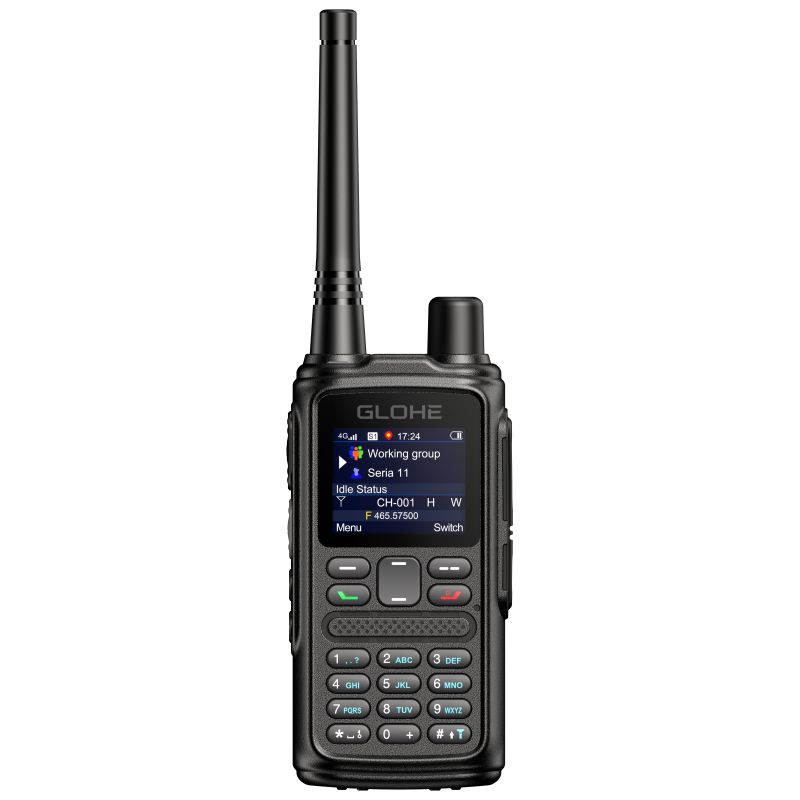
I’ve specified radios for municipal and industrial fleets for over a decade, and that hands-on work shows that field trials catch 80% of real issues. Look at FirstNet rollouts in the U.S. as a clear example of how cellular PTT got integrated into public safety plans; that effort forced real-world proofs of coverage and interoperability. For practical device-level checks, compare models listed under poc two way radio so you can match features to the operational gaps you found in testing.
Final take
Stop buying radios as boxes with specs. Define the failures you can’t accept, run focused field tests, and build simple maintenance plans. Do that and you’ll pick systems that actually keep teams talking — the kind of outcome you get when design meets real use, like the solutions available through GLOHE.