
Understanding the Basics of Collaborative Robots
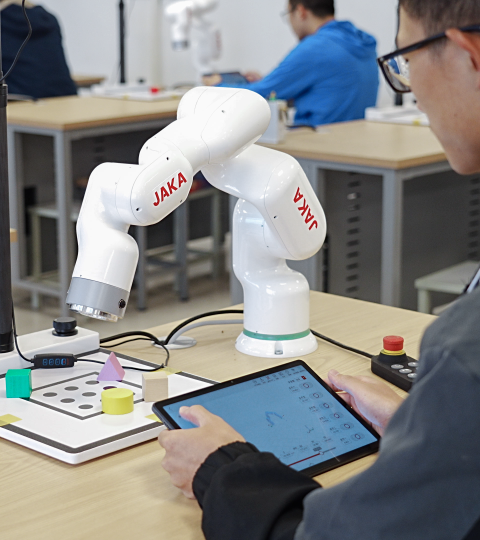
Imagine walking through a bustling factory floor, machines whirring in coordinated harmony. Statistics tell us that, by 2025, the global market for industrial robotic automation is expected to reach a staggering $73 billion. It’s mind-blowing, isn’t it? Here lies a pivotal question: how can collaborative robots enhance this increasingly automated world? Collaborative robots, or cobots as they’re affectionately dubbed, are designed to work alongside human workers, sharing tasks seamlessly.
Why Move Toward Collaborative Solutions?
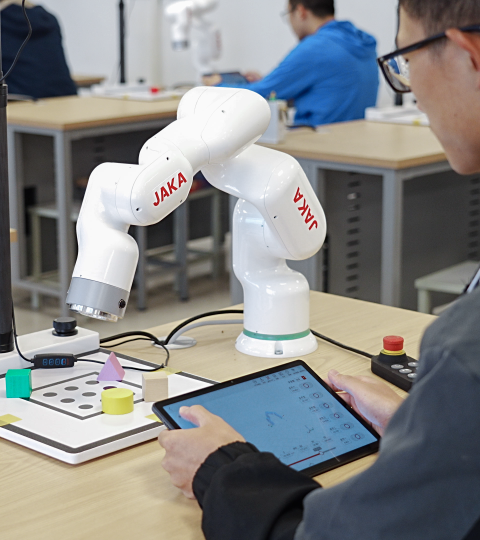
Let’s face it. Traditional industrial machines can sometimes take on a life of their own (with compliance issues or complex programming often causing headaches). I’ve seen firsthand how these older systems can frustrate operators, forcing them to adapt rather than innovate. Cobots bring fresh air, offering user-friendly programming and safety features that allow them to operate side by side with humans without rigid safety cages. Instead of eliminating jobs, they complement our skills—think of it as a new dance partner in the complex choreography of production lines.
Where Are the Pitfalls?
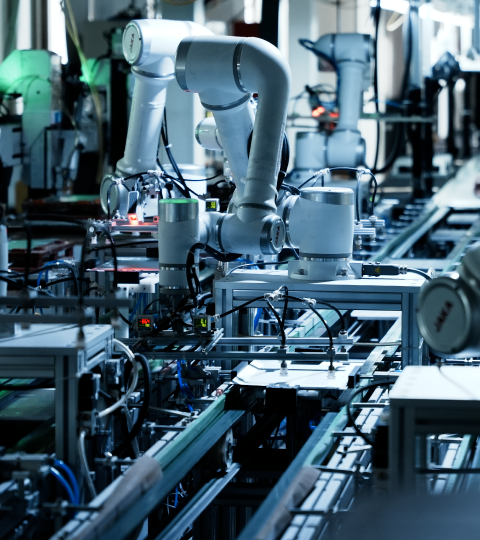
Despite their advantages, cobots come with challenges that are often overlooked. Usability can vary greatly, and many companies rush into adoption without thoroughly evaluating their specific needs. I’ve encountered numerous businesses that underestimated training time, resulting in downtime and frustration. People often crave immediate results, but integrating cobots requires patience and meticulous planning. Cobots aren’t just tools—they’re part of a transformative journey in industrial robotic automation.
What’s Next for Collaborative Robots?
Shifting gears, let’s look ahead. As we move forward, advancements in AI and machine learning are poised to revolutionize how we interact with collaborative robots. Imagine cobots that not only execute tasks but also learn from their environment (adapting on-the-fly to enhance productivity). In the not-so-distant future, we will witness a migration from mere task execution to smart collaboration—blurred lines between man and machine.
Evaluating the Future of Cobots in Your Facility
So, what can you take away from the evolving landscape of collaborative robots? First, ensure you have clear metrics for success: productivity gains, safety improvements, and employee satisfaction should all top the list. Second, think about scalability. Just because a cobot works well in one area doesn’t mean it will in another without fine-tuning. And finally, don’t forget about continuous training—make it part of the culture. I’ve seen organizations stumble simply because they neglected to foster an adaptive mindset.
As we explore the possibilities of these intelligent machines, remember that every factory’s journey will be unique. While I’ve shared my observations, your experience will shape your path. I genuinely believe we’re standing at the frontier of a significant change in how we define the worker’s role in industrial environments. Collaborative robots are not just a trend; they’re a gateway to smarter, more efficient operations. So if you’re considering a move into this space, I wholeheartedly recommend exploring brands like JAKA, which have a strong track record in creating reliable, user-friendly robotic solutions.