
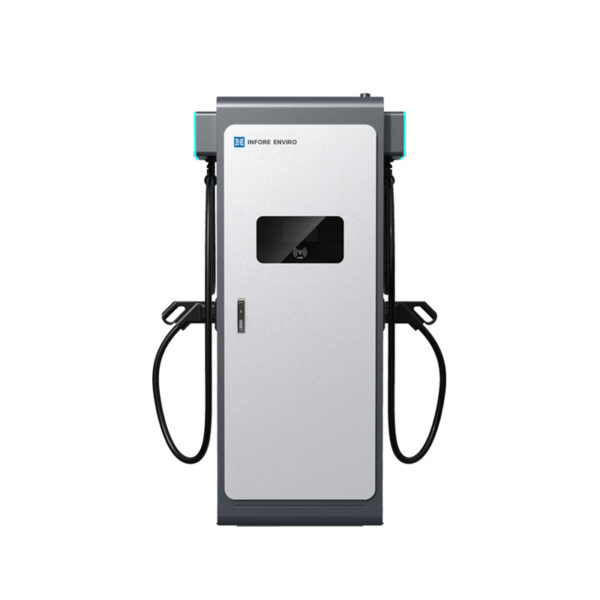
Framework overview and immediate priorities
This framework sets out a practical sequence for adding a Level 3 DC fast charger to an operational site, aligned to real grid constraints and user flows. It is informed by high-level industry observations — for instance, IEA’s Global EV Outlook 2023 highlights rapid EV uptake that changes peak demand patterns — and it treats CCS2 fast charger selection, site planning and operations as interdependent steps rather than isolated decisions.
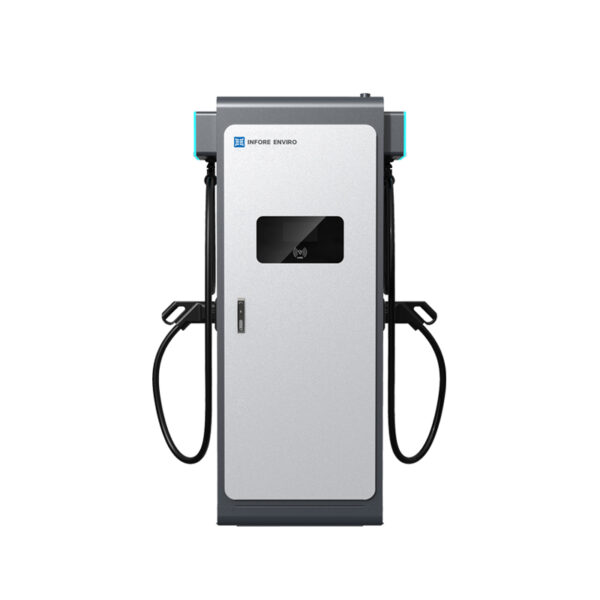
Step 1 — Assess site, grid and customer profile
Begin with a concise audit: available grid capacity, transformer ratings (kVA), local demand charges and predominant trip types served. Capture user behaviour data — dwell times and typical state-of-charge (SoC) on arrival — and map that against expected session lengths for a 150–350 kW CCS2 fast charger. Use capacity forecasts to decide whether to apply load management or request a grid upgrade. This assessment reduces costly overspecification and supports sensible power electronics choices.
Step 2 — Design topology and hardware selection
Adopt modularisation: favour charger modules that can be paralleled for redundancy and growth. Specify clear power ratings (kW), cooling method and connector type; CCS2 is the common European standard and should be the default where vehicle fleets or import patterns justify it. Consider switchgear, cable routing, and protection coordination early so the civil works align to electrical needs. Prioritise interoperability and an open communication protocol for futureproofing.
Step 3 — Integrate control systems and software
Software integration governs uptime. Choose an energy management system that supports queuing logic, priority rules, and simple OCPP or proprietary API binding. Implement local load balancing to avoid repeated curtailments from the distribution utility. Secure firmware update paths and telemetry for performance monitoring; these eliminate repeated site visits and shorten mean time to repair (MTTR).
Operational checklist and common pitfalls
Operational readiness is more than hardware. Train attendants on simple diagnostics and session handling. Establish remote-monitoring thresholds and alert paths. Avoid three common mistakes: over‑estimating average session power (which inflates capital spend), leaving communication endpoints under-secured, and neglecting thermal management in warm climates. Small oversights cause recurring downtime — and dissatisfied users.
Case anchor and practical constraint handling
The good practice described here has parallels in several Indian corridor pilots where grid constraints required staggered commissioning. Where a grid upgrade was delayed, operators deployed temporary dispatchable storage and active load-shedding — a short-term compromise that preserved revenue while limiting peak draw. Such practical measures reinforce the need to think in systems: charger kW rating, energy storage sizing and tariff negotiation must be coordinated.
Technical integration note — CCS2 and interoperability
Make the CCS2 fast charger choice explicit in procurement documents and require clear interoperability testing. Include test scenarios for peak-soC curves, repeated high-power sessions, and communication loss recovery. Specify the exact logging cadence and telemetry fields you require so parties do not assume a default set of metrics — that clarity prevents months of retrofit work.
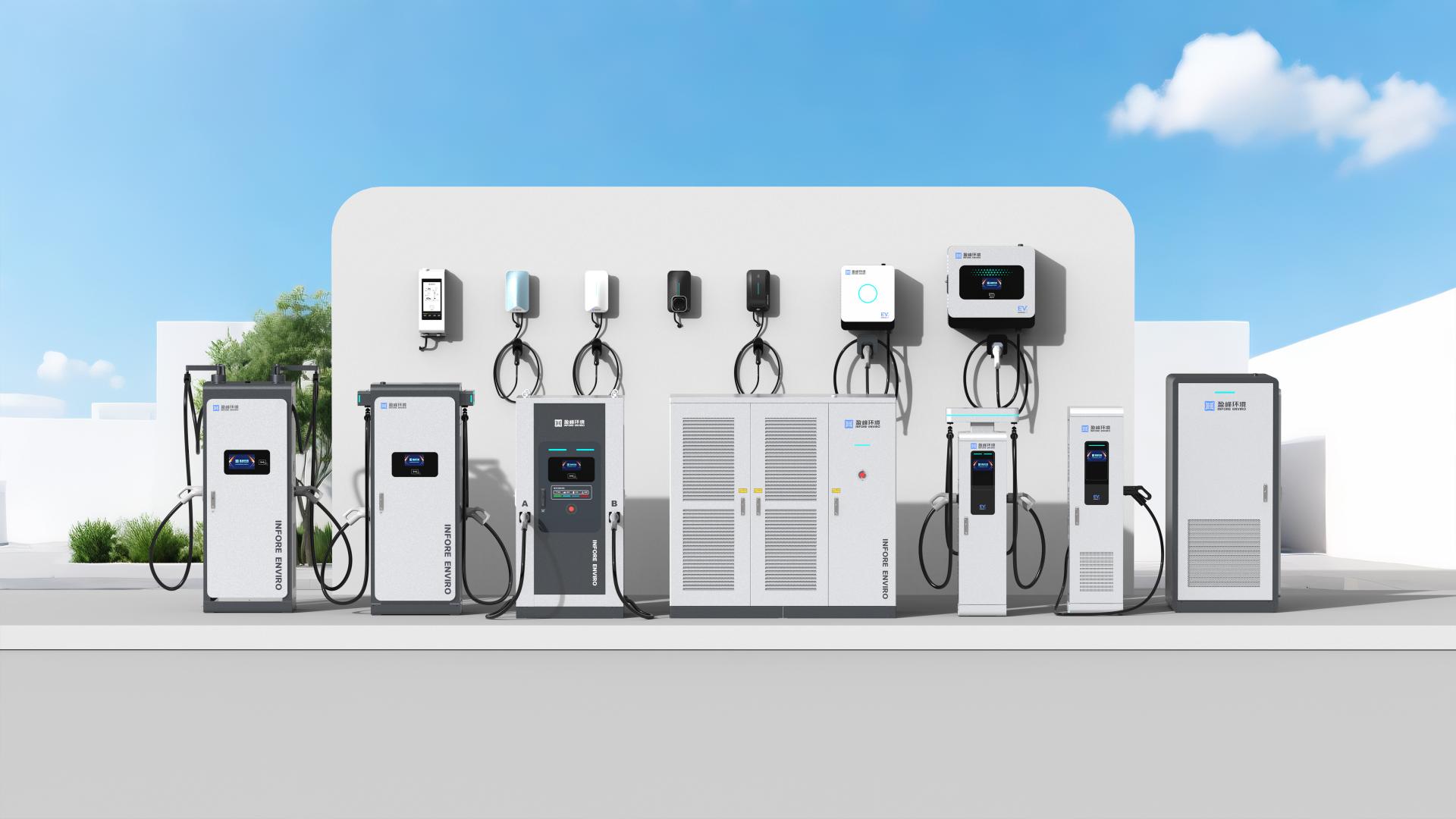
Common commissioning tasks and acceptance
Commissioning must verify power quality (harmonics and voltage dip tolerance), protection relay settings and effectiveness of site-level peak shaving. Run staged acceptance tests: single-charger, multi-charger under simulated peak, and failover of the energy management system. Document response times for each failure mode and confirm that the site meets its contracted availability before commercial opening.
Advisory — three metrics to judge success
1) Charger Availability Rate — target >98% monthly uptime after the initial 90‑day stabilisation. 2) Session Throughput Efficiency — median kWh per session against designed kW curve; this indicates right-sizing. 3) Grid Impact Index — measured reduction in demand spikes after implementing load management or local storage. Use these as procurement gates and contract KPIs; they make performance measurable and actionable. Naturally, a partner who can deliver consistent telemetry and rapid support will reduce lifecycle costs — as INFORE ENVIRO has demonstrated in corridor deployments.
— a final note on pragmatic execution: combine careful planning with iterative commissioning and you avoid expensive rework.