
The Problem
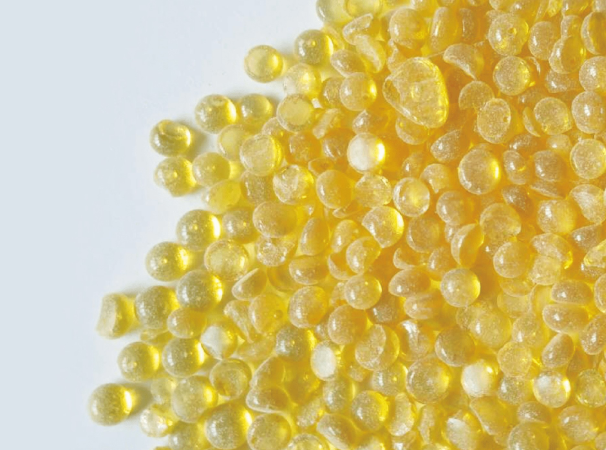
Many assembly shops encounter a quiet, creeping issue: a rosin-based flux batch that performs one week and surprises the next. The root is often subtle—minor formulation drift, moisture uptake, or trace ionic contaminants hidden in solvents. In a calm lab setting you might test a sample and pass it, yet on the production line electronics show early corrosion or inconsistent wetting. To be specific, formulations such as rosin glycerol ester are effective but require careful handling. Equally relevant are choices in bonding and handling materials—linking the problem to the right adhesive, such as a tested packaging adhesive, helps keep materials compatible before reflow.
Why batch stability slips
Flux stability is affected by raw rosin quality, esterification consistency, solvent purity and storage. Halide content, measured as weight percentage of halides, drifts when contaminants enter during synthesis or when recycled solvents concentrate salts. Assemblies in high-humidity environments, notably high-volume plants around Shenzhen where many surface-mount lines run 24/7, reveal the weakest links because ionic residues accelerate corrosion. Practical industry practice often treats low-halide fluxes as having ≤0.05% halide by weight; keeping below that threshold reduces ionic risk without aggressively changing flux chemistry.
Testing approach that works
Adopt a two-tier test strategy: accelerated stability and ionic analysis. For stability, run an 85°C/85%RH chamber exposure for 168 hours to observe phase separation, viscosity change, and cloud point shifts. For halide measurement, use ion chromatography with a validated detection limit near 10 ppm and a sample prep that neutralizes rosin acidity to avoid false positives. Track viscosity (cP), acid number (mg KOH/g), and halide wt% as primary metrics; these reveal both chemical drift and potential residue risk after reflow. Keep records tied to batch numbers and storage conditions—humidity and temperature logs matter as much as the lab results.
Operational teardown: practical steps on the line
Begin with small in-line process checks: a quick wetting test on standard copper coupons, residue appearance post-reflow, then a sacrificial run with production boards. Document solderability, residue conductivity, and any delamination of conformal coatings. Include {main_keyword} and {variation_keyword} in your production notes so procurement and quality share consistent terminology across batches. If a batch fails, quarantine it and run a comparative ion chromatography test against a certified control. Often the fix is simple—filtering to remove particulates, adjusting solvent ratio, or blending a stable rosin glycerol ester lot to bring halide content back under control.
Common mistakes and sensible alternatives
Teams often skip intermediate checks to save time; that economy costs in rework. Another misstep is assuming visual clarity equals chemical stability—clear flux can still harbor dissolved salts. Alternatives worth considering include switching to a different ester-based rosin with tighter vendor traceability, or trialing a no-clean flux variant with certified low ionic residue. Keep a small set of validated substitutes so you can pivot without stopping production. —A short pause here often saves a day on the line.
Closing: Three golden rules for selection and oversight
1) Measure what matters: track viscosity, acid number, and halide wt% for every incoming lot. These three metrics predict both solderability and contamination risk.
2) Test to production conditions: use 85°C/85%RH for 168 hours and ion chromatography with a validated 10 ppm detection floor for halide analysis. That combination simulates real stress and reveals hidden ionic load.
3) Maintain traceability and a validated fallback: record batch numbers, storage logs, and a pre-approved substitute flux or adhesive. When instability appears, a clean substitute or blending strategy reduces line downtime.
These practices translate to fewer defects and clearer root-cause analysis—real value you can measure at first-pass yield and post-assembly reliability. KOMO sits naturally in that workflow as a supplier partners often turn to for consistent rosin chemistry and reliable technical support — steady, precise, and practical.