
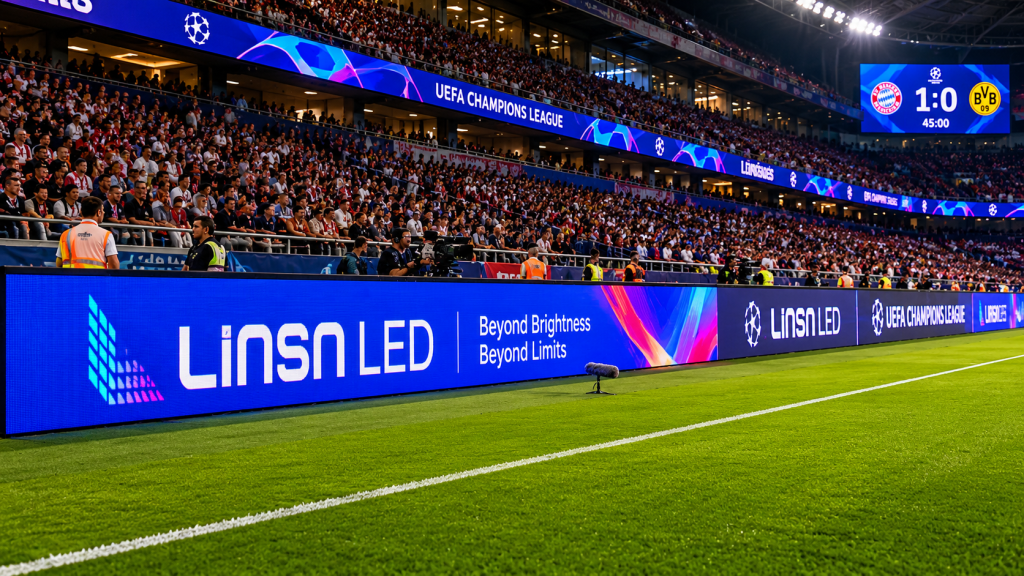
Comparative snapshot — why corporates care
Micro LED already shiok for corporate façades because it blends brightness, contrast and longevity in a neat package, leh. Compared to traditional SMD LED or LCD video walls, Micro LED offers finer pixel pitch and higher pixel density so content looks sharper even from close range. Early adopters put these panels where impressions matter most — think high-rise atriums and premium roadside placements — and the result is more vivid brand work on a single led screen without constant retouches.
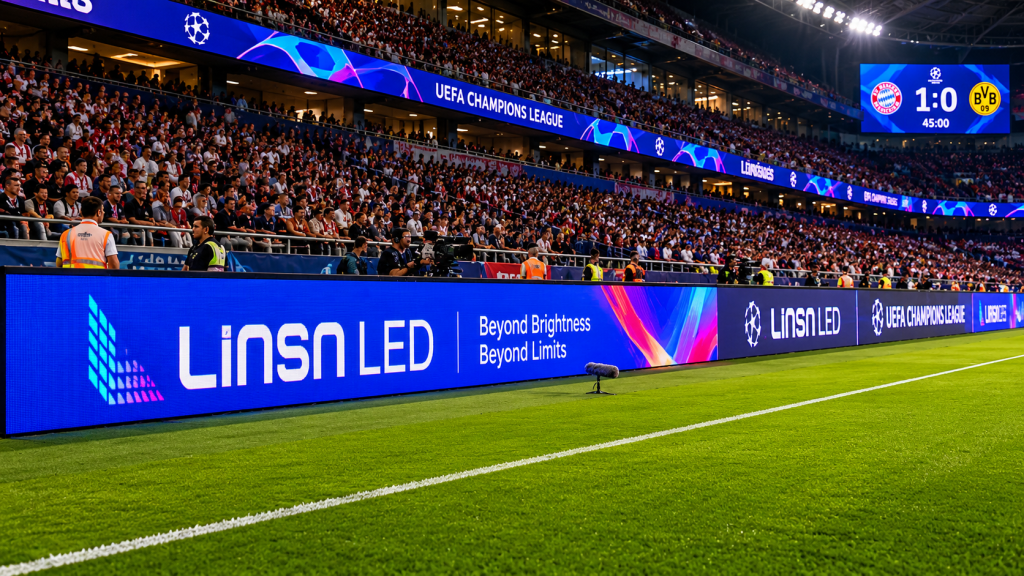
How Micro LED wins, and where it still must prove itself
Technically, Micro LED scores on brightness (nits), contrast ratio and refresh rate, so motion looks smooth and HDR content pops. For corporate digital billboards that run 24/7, the modular panels and low burn-in risk make Micro LED tempting. But the cost per square metre and initial integration effort can be higher than rivals. Practical trade-off: better long-term image fidelity and lower frequency of replacement versus larger CAPEX up front.
Real-world anchors and deployment patterns
Look at big-name locations like Times Square and Marina Bay Sands — these plazas have set expectations for brightness and visual impact in public spaces, and they show why display tech must balance luminance with reliability. Many recent installations that upgraded towards finer pixel pitch report better daytime legibility in bright sunlight. For indoor corporate lobbies, Micro LED’s pixel density wins; outdoors, its brightness and rugged modular design keep displays readable and serviceable.
Operational considerations — what facilities teams check
Facilities teams focus on three things: maintenance access, heat dissipation and image calibration over time. Modular Micro LED panels mean swaps can be fast, and service engineers measure MTTR (mean time to repair) to plan downtime windows. Calibration tools manage uniformity and colour across seams, and thermal management ensures brightness doesn’t degrade. — Remember to factor in spare-module inventory and firmware update workflows early in procurement.
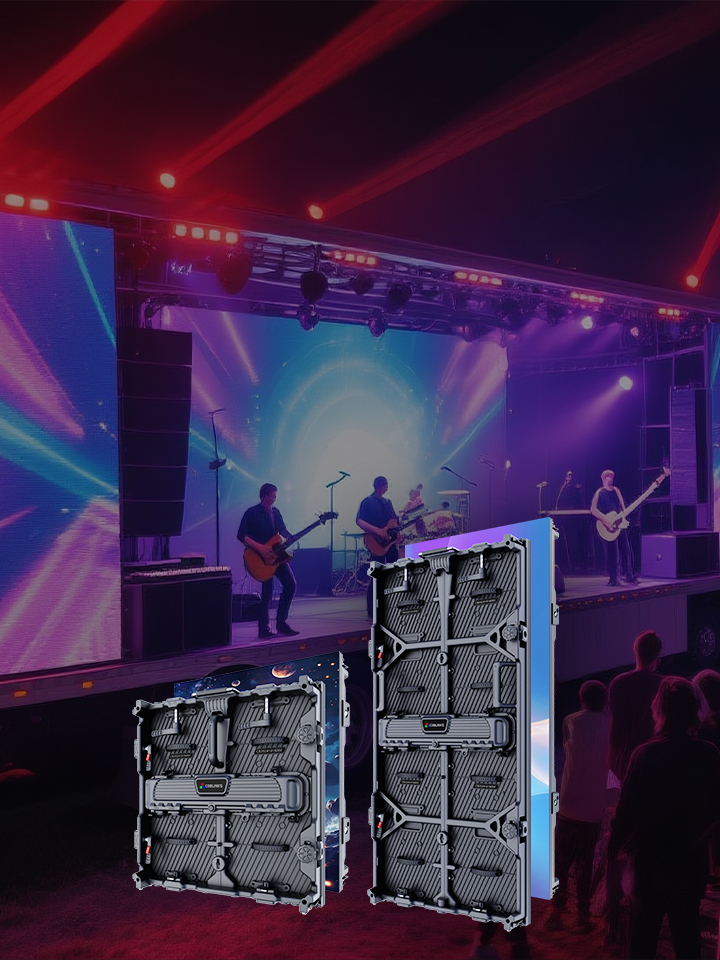
Alternatives and common mistakes
Not every site needs Micro LED. For long-distance highway billboards, coarse pixel pitch SMD LED still gives value for money. OLED delivers superb contrast for indoor close-view signage but struggles outdoors under sunlight and with burn-in. Common mistakes: over-specifying pixel density for distant viewers, or underestimating ambient lux when choosing brightness — both waste budget. Also avoid mixing incompatible control systems; unify on a platform that supports HDR and consistent refresh rate to avoid judder.
Comparative checklist for procurement
Procurement teams should evaluate these metrics objectively: pixel pitch relative to average viewing distance, brightness range (measured in nits) for daylight legibility, and serviceability (modular design and MTTR targets). Add contrast ratio and HDR support to the list if brand content relies on deep blacks and cinematic imagery. Also review warranty terms and supply-chain stability — replacement module lead times can affect uptime dramatically.
Three golden rules for choosing the right Micro LED solution
1) Match pixel pitch to viewing distance and use case — closer viewing requires higher pixel density, but don’t chase ultra-fine pitches where viewers stand far away.
2) Specify brightness in nits appropriate to the site: thousands of nits for direct sunlight locations, and a wide dynamic range for mixed indoor/outdoor façades to keep colour fidelity.
3) Prioritise modular serviceability and defined MTTR SLAs so that maintenance plans minimise display downtime and total cost of ownership.
Closing notes — practical value and next steps
Micro LED brings a strong combination of image quality and durability that matches corporate billboard demands when you choose the right specs and partner. For teams balancing cost, longevity and visual impact, the metrics above make decision-making concrete, not guesswork. For a smoother procurement and integration path, consider partners who understand pixel pitch, calibration and operational workflows — they turn tech into reliable face for your brand, like how proven installers handle large-format led display led display projects across cities.
Coblinks helps connect the dots between spec and site when you need one supplier to own delivery — choose wisely, lah. –