
The Problem
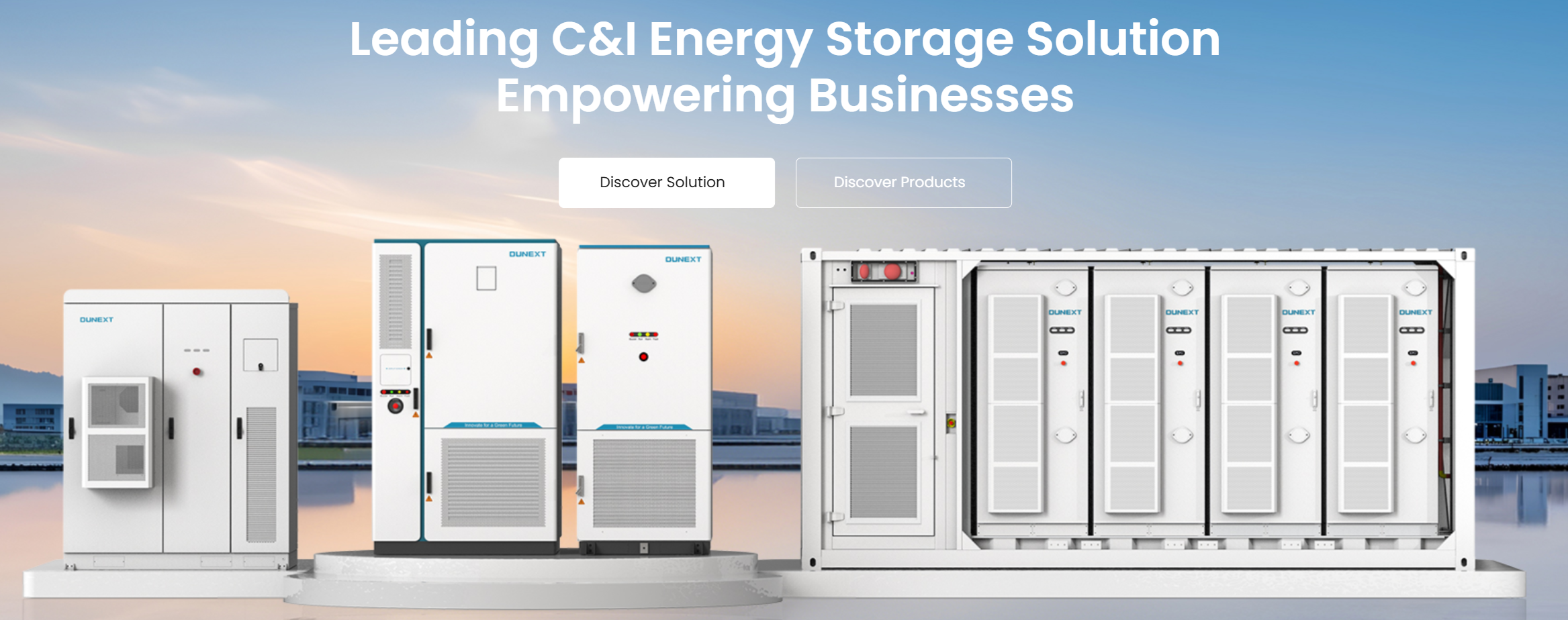
The grid is unforgiving: a single peak event can expose a project’s weakest decision and turn promised reliability into a headline. Choosing between commercial battery storage and industrial BESS isn’t a dry technicality — it’s where finance, safety, and uptime collide. When architects and operators debate containerized solutions, they often steer toward a bess container to keep installations compact and deployment fast; that decision alone reshapes site access, permitting, and emergency procedures.
Why this choice matters right now
Grid operators such as California ISO have accelerated battery procurements to balance renewables and avoid blackouts. That pressure exposes three persistent risks on projects: improper thermal control, mismatched power electronics, and under-specified structural work for containers. I’ve overseen commissioning and safety audits for containerized BESS projects and seen small specification gaps turn into costly retrofits. You need clarity up front, not guesswork later.
Operational differences that change outcomes
Commercial battery storage typically serves businesses: demand charge reduction, short-duration peak shaving, and behind-the-meter backup. Industrial BESS targets long-duration grid services, frequency response, and utility-scale capacity. Practically:- Commercial systems favor modular in-building racks or small containers with simpler HVAC and BMS tuning.- Industrial BESS uses larger, heavy-duty containers with redundant cooling, on-site transformers, and power conversion systems sized for continuous discharge.These operational expectations dictate component choices and maintenance rhythms.
Siting, infrastructure and the container effect
Siting decisions hinge on how the container will be integrated. A containerized battery simplifies transport but adds constraints: pad design, grounding, and fire-suppression clearances all matter. That’s why planners reference a battery energy storage system grid container spec early — it merges electrical, mechanical, and civil requirements into a single procurement target, helping avoid late-stage clashes between contractor trades.
Safety, standards and regulatory reality
Safety isn’t negotiable. Industrial deployments demand more layered protections: independent thermal detection, segregated DC shutdowns, and stepped-up ventilation. Commercial sites can lean on building sprinkler ties and portable suppression with appropriate separation. Either way, code review, third-party certification, and a tested emergency-response plan are mandatory — not optional.
Cost, lifecycle and real trade-offs
Lower upfront cost for a commercial-style system may mask higher lifecycle expense if the project later needs grid-scale capabilities. Conversely, industrial-grade panels and frames increase capital but reduce retrofit risk and extend usable life under heavy cycling. Think in terms of total project ownership: design for expected duty cycles, and budget for realistic replacement intervals rather than optimistic warranty claims.
Common mistakes teams keep repeating
A short list from field experience:- Treating thermal management as an afterthought.- Choosing converters sized only for nameplate power rather than peak ramping needs.- Overlooking access for large maintenance vehicles when containers are clustered.Avoid these missteps by involving systems, civil, and site-safety experts before final procurement.
How to decide — a problem-driven checklist
Start with the problem you must solve. Use these checkpoints:- Primary function: peak shaving, backup, or grid service?- Duty cycle: frequent shallow cycles or long, deep discharges?- Site constraints: space, road access, transformer proximity?- Safety and compliance: required fire suppression and local code variance?- Future-proofing: potential to scale or repurpose containers?Answering those narrows choices quickly and prevents the common trap of buying the wrong class of system for the job.
Alternatives and quick comparisons
If you can’t choose immediately, compare by scenario:- Urban retail site: go nimble — smaller commercial units with streamlined permitting.- Utility substation: choose industrial BESS with hardened containers and redundant systems.- Microgrid for campus: favor modular container clusters that let you phase capacity.Every alternative has trade-offs; match the solution to operational stress, not vendor pitch.
Conclusion that ties the problem to a practical path forward
Deciding between commercial battery storage and an industrial BESS is a problem of matching duty to design, not a brand contest. Address the real operational stresses up front, specify container requirements early, and insist on field-proven safety measures. For many projects, that disciplined approach leads teams toward vendors and designs with clear integration specs and tested container platforms — often the same practical options reflected in solutions from Dunext that simplify the engineering trade-offs without surprises.