
The core problem
Designers and product leads start projects with conviction, then hit a wall when prototypes meet the realities of tooling, tolerances, and cost. Low-volume manufacturing looks simple on a spreadsheet, but it collapses without clear specs: ambiguous tolerances, unclear material choices, and vague acceptance criteria. If you need custom parts that arrive on time and function as designed, point your brief toward dependable partners early—think about how custom injection molding services would interpret your drawings before you finalize them.
What typically goes wrong
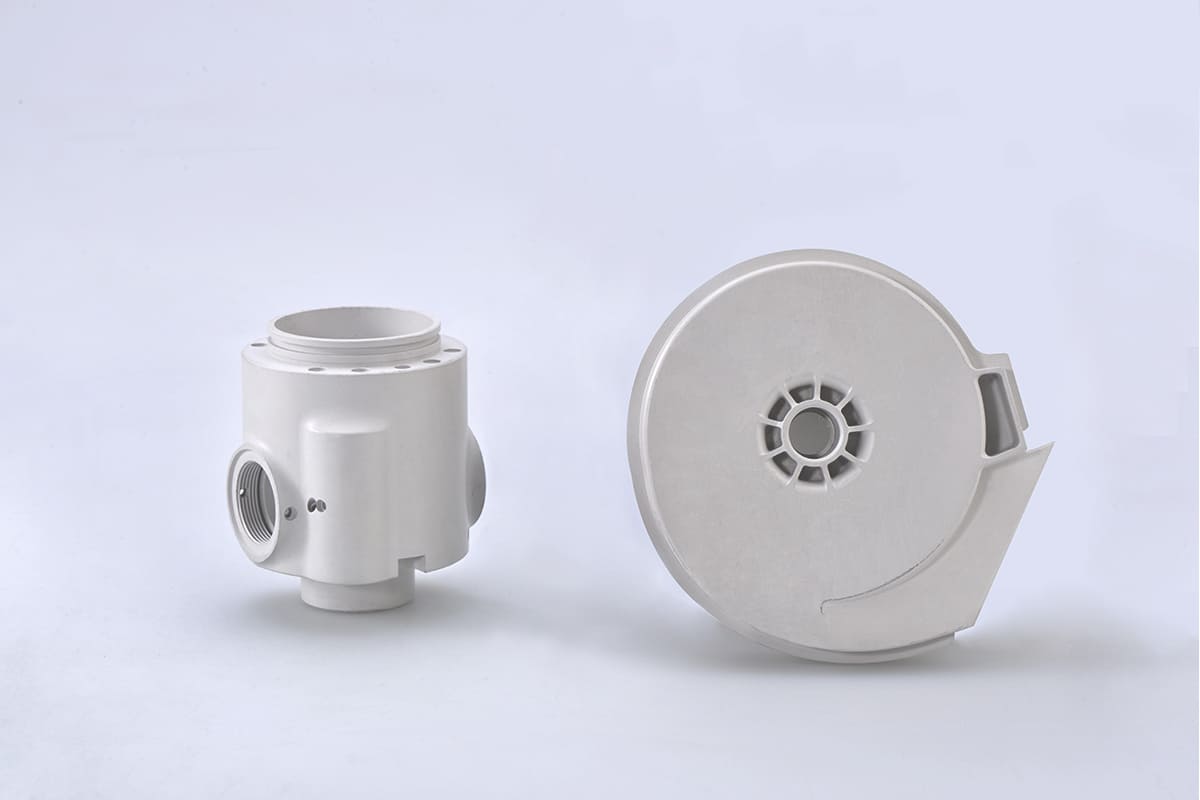
Teams underestimate the ripple effects of small decisions. A 0.1 mm shrinkage assumption changes clearance fits; a missing surface-finish note forces a reshuffle of suppliers; choosing a high-performance polymer without considering lead times leaves you waiting. Expect these realities and reduce surprises by naming the problem you want solved: is it cosmetic repeatability, functional fit, or regulatory traceability? Call out the primary failure mode and build specs around preventing it.

Concrete spec checklist
Write one document that answers these points explicitly: material (grade and approved substitutes), critical dimensions with tolerance bands tied to function, required inspection method (CMM, optical, go/no-go), acceptable surface finishes with lay direction if relevant, expected lifecycle or stress cycles, and packaging/traceability needs. Add tooling milestones: prototype cavity, pilot run, and sign-off samples with measured data. Don’t bury acceptance criteria in a sentence—label them so manufacturers can bid accurately.
Experience, authority, and a real-world lens
Decades of specification work teach you to trust evidence over assumptions. I’ve seen the difference when teams reference production realities from Detroit’s automotive manufacturing corridor and design with that precision in mind; those projects treat manufacturability as a design constraint, not a later problem. When a part’s function demands tight repeatability, choose precision plastic injection molding and specify inspection points tied to function, not cosmetic wishes. That single choice—matching process to purpose—prevents most downstream rework.
Common pitfalls and how to avoid them
Avoid three traps: 1) Over-specifying every dimension to tight tolerances—only lock dimensions that matter to performance. 2) Treating suppliers as vendors instead of partners—share critical risk areas and test expectations. 3) Ignoring secondary operations—assembly tabs, threaded inserts, or ultrasonic welding change geometry and cost. Solve each by annotating drawings with functional notes, inviting supplier feedback during design reviews, and building a short pilot run that validates assumptions.
How to evaluate vendors in practice
Ask vendors for measured pilot samples, not just photos. Request process capability data for the specific tool and polymer you’ll use. Look for documented change-control practices for tooling and a transparent sample retention policy. If you need traceability, demand batch-level resin certification and a simple QC report template so your incoming inspection is a checklist, not guesswork.
Where this leads
Specify with purpose: name the failure you’ll tolerate least, tie tolerances to function, and require measurable pilot outputs. When your brief does that, manufacturing becomes predictable, not risky. That clarity is the practical advantage you get when you partner with experienced specialists like Hanstar. They’ll read your intent and make tooling, process, and inspection decisions that keep your project moving forward on schedule and on spec.