
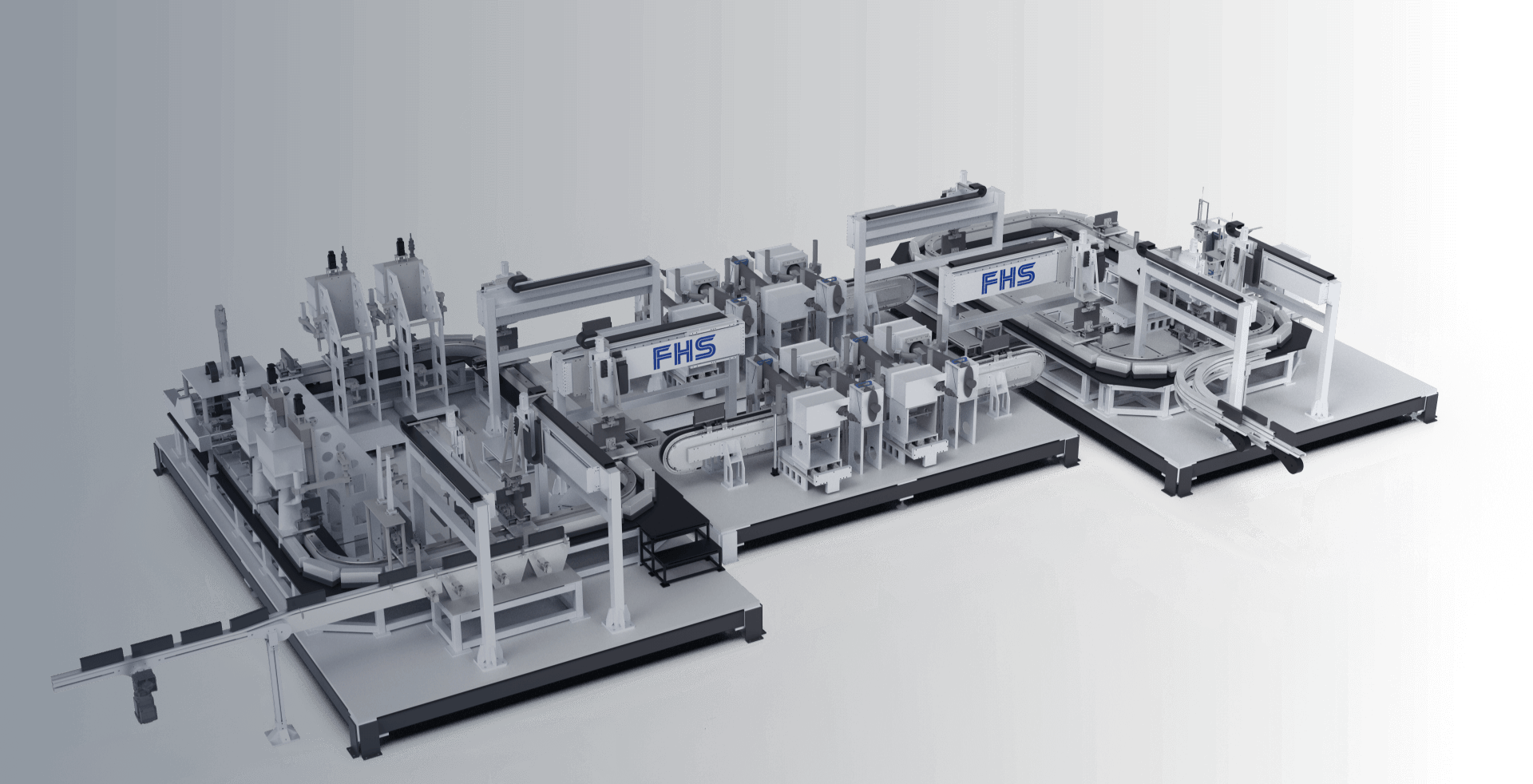
Problem first: why data matter
Production line have quiet trouble. Small drift, one bad fastener, or missed inspection — these create big recall risk and lost time. I see this problem again and again with teams moving from manual to automated work. Use manufacturing automation technology early so data arrive clean and consistent. I watched demonstrations at Hannover Messe and learned how one simple missing metric made a whole batch suspect.
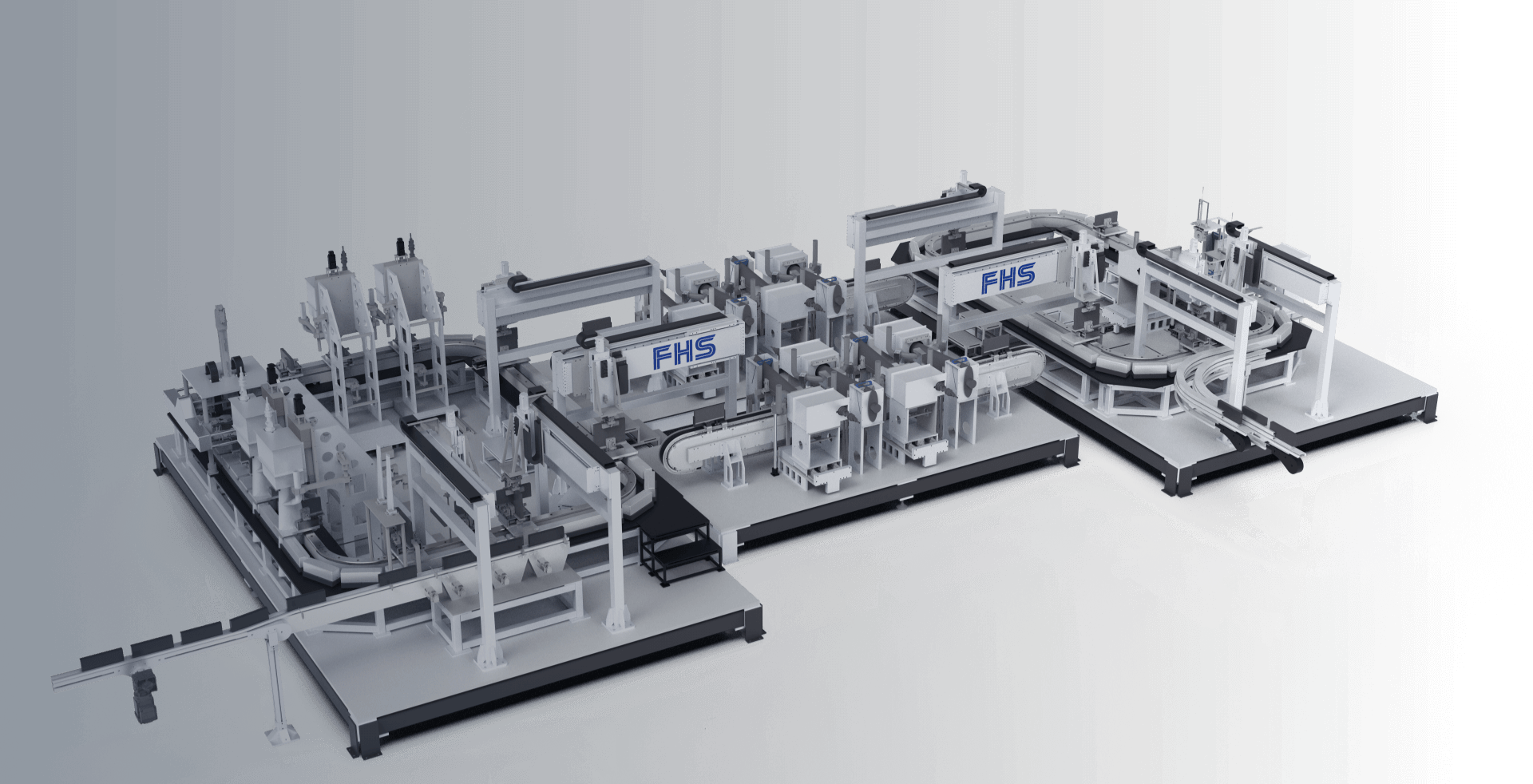
Core problem-driven checklist — what to track now
Start with the faults that cause stoppage, regulatory questions, and rework. Track these first:
– Uptime and downtime events: exact timestamps, duration, and reason code. – Cycle time per station: median, extremes, and trend per shift. – Torque and force per fastening or press operation: pass/fail thresholds and raw traces for outliers. – Vision-inspection results: image ID, pass/fail, confidence score, and sample images. – Component presence and orientation: sensor readouts and rejects. – Operator interventions: who, why, and how long they paused the line. – Batch/lot and serial-number mapping: link components through assembly steps to finished-device ID. – Environmental readings: temperature, humidity, and particle counts if relevant.
Quality signals and analytics that stop problems fast
Not all metrics equal. Use signals that detect deviation early, not just failure after the fact. Useful analytics:
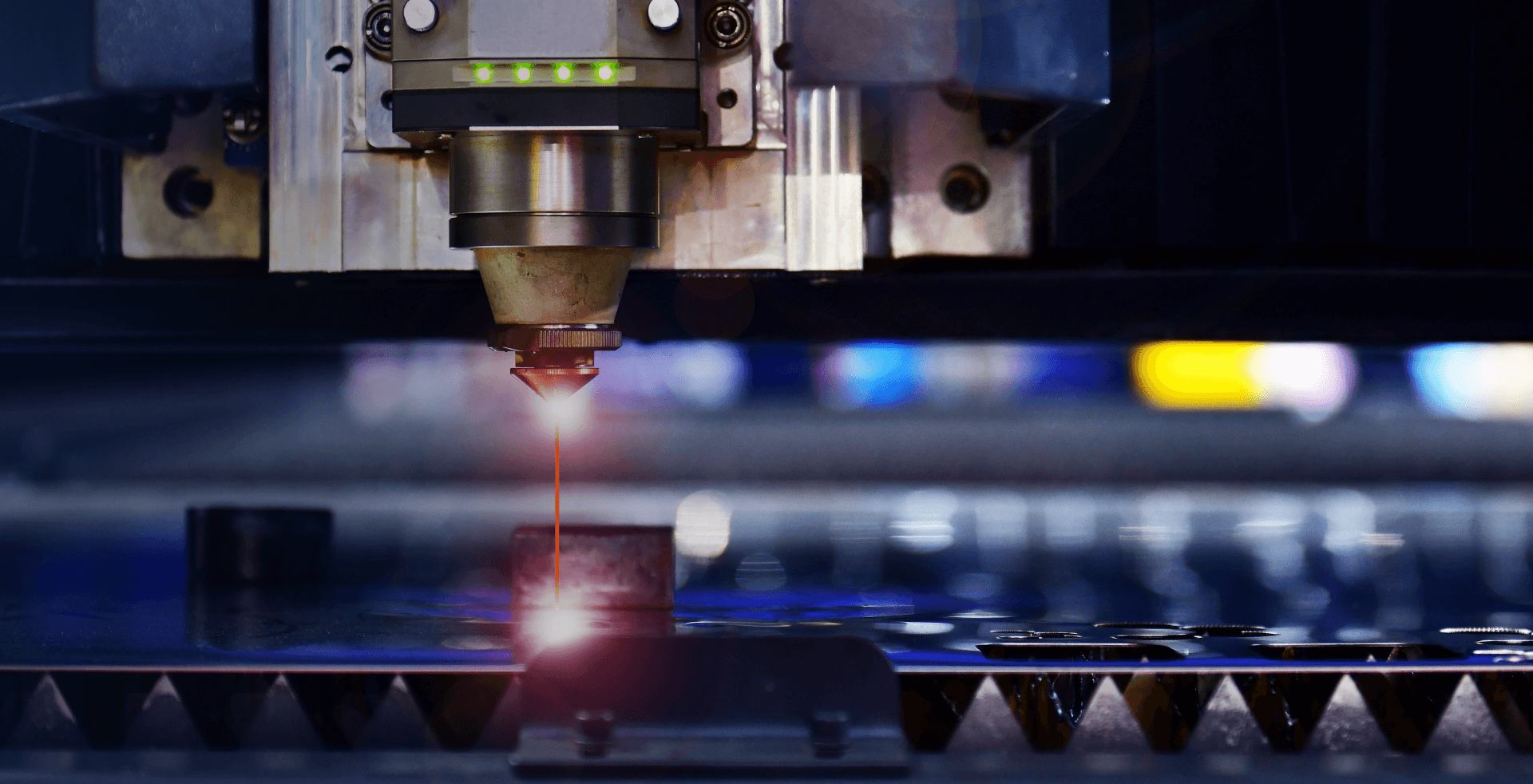
– Short-term SPC on cycle time and torque — alerts on shift from baseline. – Trend of inspection confidence — slow decline shows camera or light problem. – Correlation of specific component lot to increased rejects. – First-pass yield per station, with filter for operator changeover.
Data capture: sensors, sampling, and storage
Collect raw traces where they matter. Short bursts of high-resolution data for torque or force help diagnose root cause. Save images for every failed inspection and a sample of passing images. Keep timestamps synchronized across stations. Capture operator notes as structured entries, not free text. Use edge filtering to reduce noise but keep enough raw data for investigation.
Integration and alerting — practical setup
Push production events to a central system that ties assembly data to traceability and quality. Connect PLC, vision systems, and MES so one view shows the full context. A reliable automated manufacturing system will buffer on network drop and preserve event order. Alerts must be short, actionable, and assigned: who fixes, who documents, what temporary containment.
Validation, audit trail, and compliance basics
Regulators want proof. Keep calibration logs linked to sensor data. Preserve original raw records and a signed audit trail for any changes. Timezone-aware timestamps, user authentication, and versioning of thresholds are practical controls that save a lot of inspection headaches.
Common pitfalls teams make
– Over-collecting noise: too many metrics, no action plan. – Late instrumentation: installing sensors after validation means lost baseline. – Free-text root-cause notes: can’t query or trend. – Ignoring operator input: they notice patterns machines miss. – Alerts without ownership: alerts ignored, backlog grows.
How to deploy incrementally
Fix the worst problems first. Start with a pilot line: capture uptime, torque traces, vision failures, and serial mapping. Run pilot for two production cycles then expand. Use simple dashboards with clear filters for shift, device family, and component lot. Keep changes small and validated.
Expert notes from the field
I worked with assembly engineers moving from paper forms to continuous monitoring. The teams that succeeded kept one analyst close to the line, set three immediate metrics to monitor, and preserved raw data for two months. That approach finds pattern faster than heavy, abstract models.
Wrap-up
Pick metrics by problem severity. Capture raw where diagnosis needs it. Link events to device IDs and keep clear audit trail so you can explain decisions. This is practical, not theoretical, and the approach used in many production improvements is also visible in work by FHS, showing how focused monitoring leads to cleaner runs, fewer recalls, and clearer root cause answers.