
Opening comparison that matters
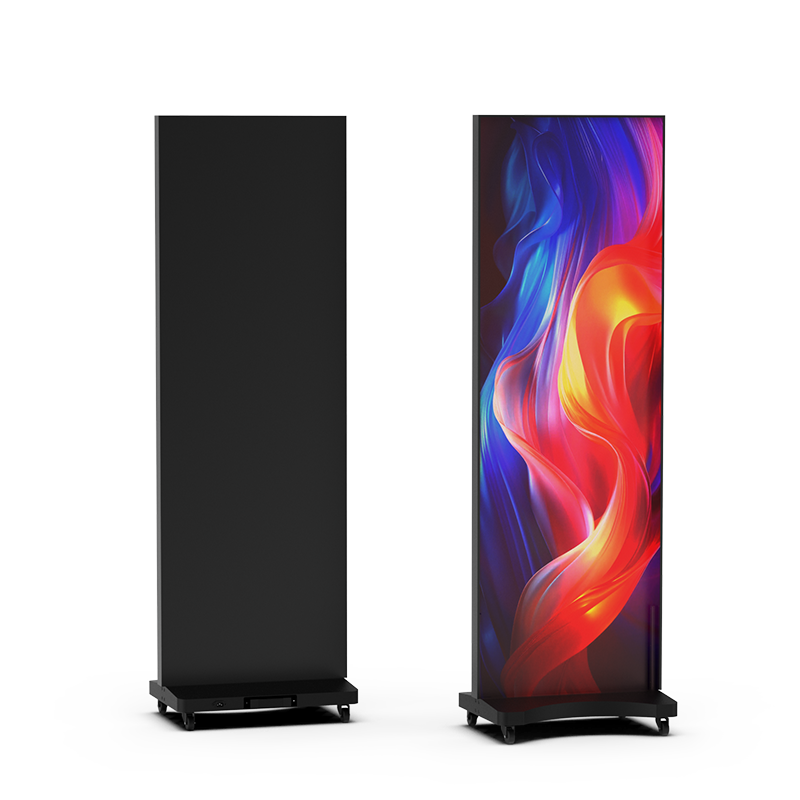
When you pick an LED panel, you shouldn’t be guessing — compare. Start by looking at use case, not marketing copy; a stadium screen needs different strength than a small retail sign. I’ve seen integrated solutions on show floors and live events, and vendors often push turnkey options, so check demos of an all in one led display alongside modular walls. I’ve been testing and specifying displays across retail and event installs for eight years, and the demo booths at CES in Las Vegas showed how integration hides many failure modes — that alone shapes what you should test and ask for.

Brightness, contrast and real-world visibility
Compare nits and contrast ratios, but validate them in situ. Brightness specs lie if the panel’s thermal path can’t sustain output; insist on sustained-nits measurements, not peak flashes. Check viewing angles at 30–60 degrees; many panels keep centre punch but go muddy off-axis. If your location sees direct sun or strong indoor lighting, prioritise higher sustained nits and proven anti-glare coatings.
Colour accuracy and calibration
Two panels with the same gamut can still look different. Ask for DeltaE tests and for on-site colour calibration options. Panels with factory calibration plus an easy hardware or cloud-based recalibration workflow save time. If your brand needs faithful colour, demand a sample and measure after the supplier’s recommended calibration routine.
Build design, serviceability and maintenance
Compare ease-of-service: front-access modules, hot-swappable power units, and standardised connectors reduce downtime. All-in-one boxes look tidy but can hide proprietary parts; modular designs give better field repair options. Check how long vendors stock spare modules and whether they publish mean time between failures (MTBF) for LEDs and PSUs.
Firmware, control systems and network security
Panels are computers now. Compare control stacks: can the firmware be updated over the network? Is the API open or locked? Ask for release notes and how they handle rollback. Verify vendor policies on security patches and whether remote diagnostics are available — that’s how many fields avoid long outages.
Thermal behaviour and power efficiency
Don’t judge power by one number. Compare how panels dissipate heat under sustained full-white and mixed-content loads. Efficient power supplies that derate gracefully prolong LED life. Ask for thermal maps from stress testing rather than trusting only average power draw figures.
Reliability data, warranties and support
Compare warranty coverage: pixels, modules, power supplies, and labour. Confirm on-site response times and whether advanced replacement parts are local or shipped internationally. A short lead time for spare modules is often more valuable than a longer warranty with slow service.
Common pitfalls people miss
Buying by price alone; ignoring operating environment; accepting manufacturer lab numbers without field tests; overlooking firmware update policies; and not planning for spares. Also, don’t assume integrated solutions eliminate every service issue — they change what fails, not whether things fail.
Alternatives to consider
Compare all-in-one systems to modular LED tiles and to micro-LED or LCD for specific uses. All-in-one gives faster installs and cleaner cabling; modular tiles offer better field reparability and sometimes lower lifecycle cost for large arrays. If you need fast deployment with fewer onsite technicians, lean towards integrated units; if uptime and long-term serviceability are critical, check modular designs closely.
How to structure acceptance tests
Make a short test protocol and compare results side-by-side: sustained brightness at 30 minutes, colour DeltaE after calibration, thermal map, power draw under mixed content, network update simulation, and module swap time. Score each supplier against the same protocol; side-by-side testing exposes small differences that matter in the field.
Final synthesis
Choose the panel that scores best against the tests that mirror your use: brightness and thermal stability for outdoor; colour fidelity and calibration workflow for branding; serviceability and spare logistics for 24/7 venues. A balanced supplier that documents test data, supports firmware maintenance, and provides clear spare-part policies gives the practical reliability you need — consider the documented product line and support model from HDC when your scorecards point to integration as the right trade-off, lah.