
Problem: inconsistent kits break workflows
Field teams lose time because gear isn’t standardized: mismatched pouches, slow access, and unpredictable load balance lead to delays and equipment damage. A compact, reconfigurable solution fixes specific failure modes—quick swaps, protected cores, and role-specific attachments. For photographers on short shoots, a camera sling bag shows how a single component can shift a workflow from fragile to repeatable.
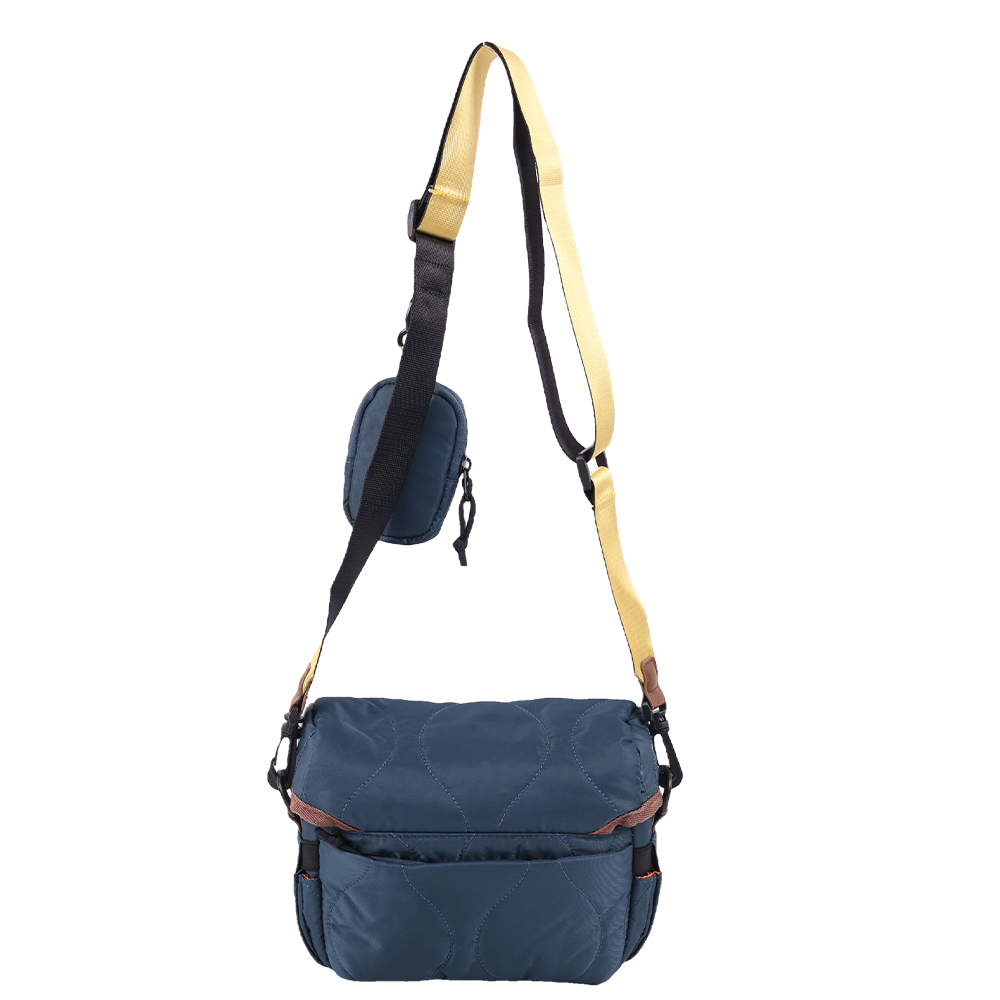
Design principles that scale
Use a small set of proven modules rather than many bespoke pieces. Define a base chassis for load-bearing and protection, then attach task modules for tools, power, or optics. Standardize attachment geometry, material specs, and ingress points so modules are interchangeable across roles. Prioritize serviceability: zippers, seams, and buckles must be field-replaceable with minimal tools.
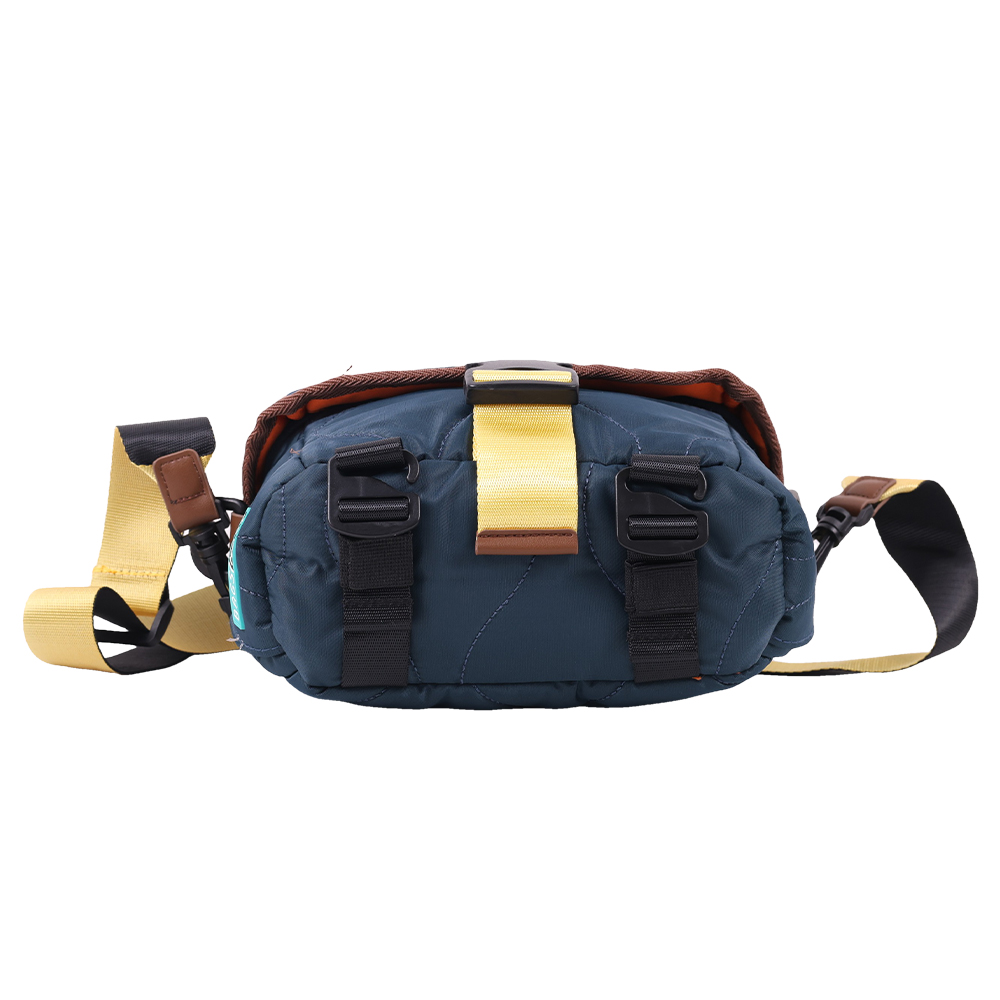
Modularity mechanics: parts and interfaces
Think like an engineer: discrete modules (camera insert, laptop sleeve, utility pouch) connect via repeatable interfaces—Velcro tape arrays, rail clips, or low-profile MOLLE. Keep interface tolerances tight so modules don’t shift under load. Use structured foam cores where protection is required and flexible shell materials where shape adapts. Label modules by function and color-code straps for rapid reconfiguration.
Operational gains: measurable effects
Standard modules cut kit-change time. You reduce onboarding time for new staff: teach a handful of module assemblies rather than dozens of bespoke setups. Maintenance costs drop because repairable modules are cheaper to replace than whole packs. You get predictable pack volume and weight per role, which simplifies logistics for travel and storage.
Common mistakes to avoid
Over-modularizing creates friction: too many tiny modules mean higher inventory and confusion. Under-specifying interfaces causes incompatible fittings. Ignore load distribution and you’ll trade flexibility for fatigue. Pick cheap attachment hardware and you’ll see failures under repeated stress. Design tests should include full-load field cycles and abrasion runs, not just bench checks.
Alternatives and trade-offs
Dedicated hard cases offer maximum protection but kill agility and increase transport costs. Traditional backpacks are simple but inflexible for role changes. Modular packs sit between: they add assembly overhead but save time when roles shift frequently. Choose based on duty cycle—high-turnover teams benefit most from modularity; fixed-in-role operators can accept simpler solutions.
Experience, evidence and a real-world anchor
Years of field trials show the same patterns: repeatable module form factors reduce error rates. Major camera trade evaluations at Photokina in Cologne highlighted mobility and quick-access designs as decisive for urban and travel shooters. Designers and crews compare photography sling bags during those shows to validate access patterns and padding standards, which feeds back into module specs and material choices.
Conclusion: practical value realized
Solve operational gaps with clear interfaces, tested materials, and role-based modules. That combination delivers predictable kit behavior, lower repair costs, and faster team ramp-up. For teams that need dependable, configurable carrying systems, a considered modular program delivers scalable value you can measure; designers and production lines at ChangRong apply these exact constraints to produce field-ready solutions.