
The problem: uneven supply and rising expectations
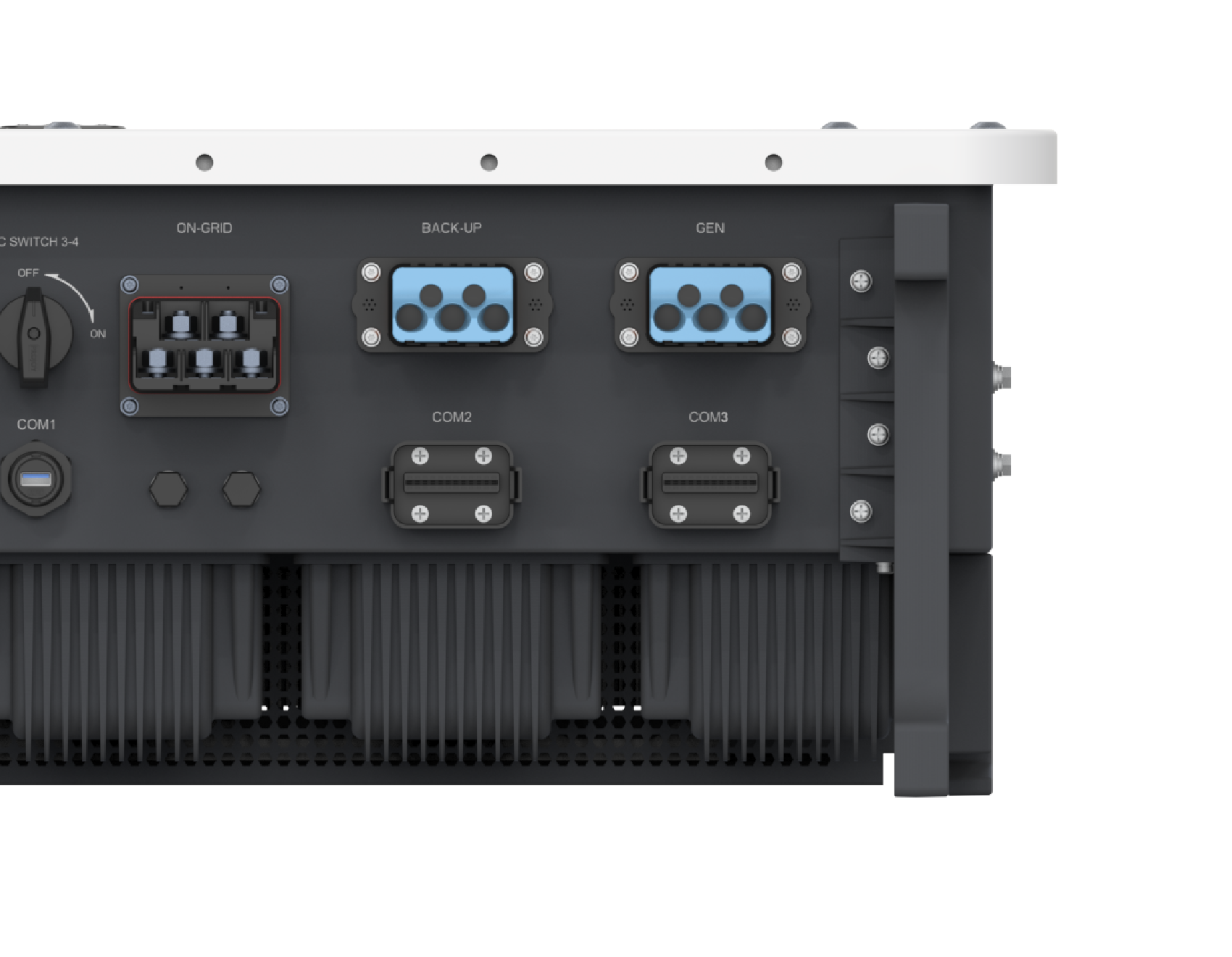
Homes and businesses increasingly pair rooftop PV with storage, yet intermittency and phase imbalance still create headaches for facilities engineers and installers. Regions like California have shown how grid interruptions and high demand push owners toward systems that can sustain loads during outages. That’s where a three phase hybrid inverter and a solar hybrid inverter come into play: they combine PV, battery, and grid interaction into one device, offering phase balancing, backup and grid-tie capability while keeping the system compact and manageable. Key industry terms to know here are MPPT, battery management system (BMS), and phase balancing.
How a 3-phase hybrid inverter actually fixes things
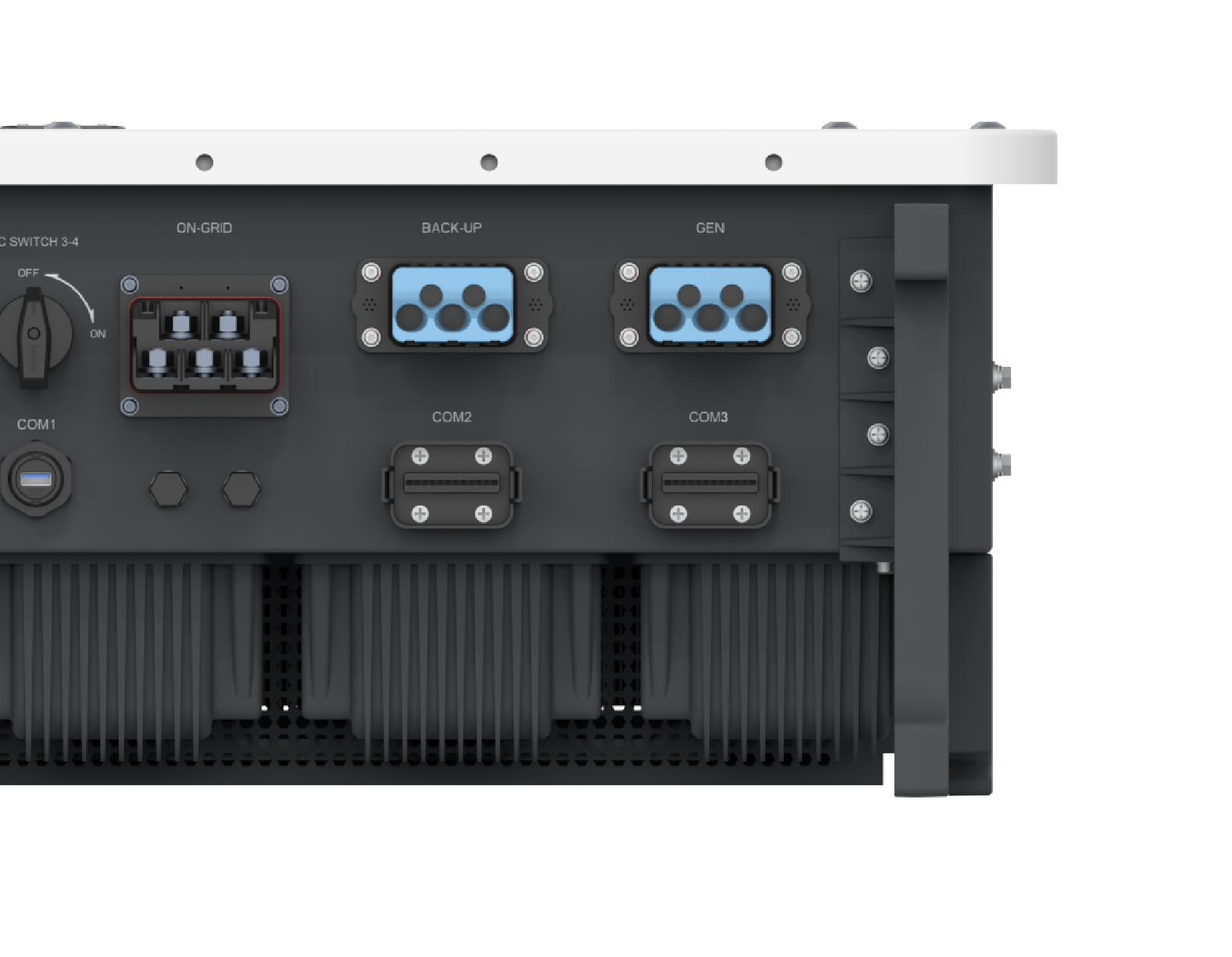
A 3-phase hybrid inverter converts DC from PV and batteries into AC across three phases, coordinating output so sensitive loads see steady power. It runs multiple MPPT trackers to optimize each string and hands off charging tasks to the BMS to protect battery life. In practice this means smoother power during peak demand, better utilization of distributed PV, and controlled export to the grid when allowed. Designers appreciate that these inverters can perform AC coupling or DC coupling depending on the battery architecture, which gives flexibility during retrofits.
Key technical points installers must confirm
Decisions at installation time determine long-term performance. Confirm these items before signing off:

– Continuous kW rating and surge capacity: select an inverter sized to the facility’s continuous load and motor starts.
– MPPT string limits and voltage windows: mismatch here is a common failure point.
– BMS communication and battery chemistry compatibility (Li-ion or other chemistries): proper charge algorithms preserve lifespan.
– Grid support features: anti-islanding, power factor control, and unbalanced load handling.
Ignore any of these and you’ll see poor efficiency or premature wear—small oversights compound over years. —It’s surprising how often installers focus only on array size and skip phase-load analysis.
Common mistakes, alternatives, and a quick comparison
Installers often under-spec the inverter or fail to account for harmonics and reactive power needs. Alternatives to a 3-phase hybrid approach include central inverters for large PV farms, string inverters for segmented arrays, or microinverters for per-panel optimization. Each has pros: string inverters are cheaper; microinverters simplify mismatch issues. But for sites that need integrated backup across three phases and battery charging control, the hybrid option typically wins on simplicity and steady performance. Industry terms in play: grid-tie mode, inverter topology, and power factor correction.
Implementation tips: operations, monitoring, and maintenance
Good O&M practice keeps systems reliable. Implement scheduled firmware updates, verify MPPT performance seasonally, and log BMS charge cycles to detect early degradation. Use remote monitoring to spot phase imbalance or rising harmonic distortion. When commissioning, run a full-load test to ensure phase balancing under realistic conditions and document the exact PV string arrangements and inverter settings so future technicians won’t guess. Real-world anchor: after prolonged outages in some Californian counties, owners who combined correct sizing with disciplined monitoring reported far fewer service calls and longer battery life.
Advisory: three golden rules for selecting the right system
1) Match continuous and peak power needs precisely: choose inverter kW and battery Ah to cover both running loads and short surges without frequent deep cycling.
2) Verify compatibility: confirm MPPT ranges, BMS communication protocols, and whether the inverter supports required grid functions like power factor control and export limits.
3) Prioritise comprehensive monitoring and serviceability: remote diagnostics, clear firmware pathways, and accessible components reduce downtime and lifecycle cost.
These rules make procurement straightforward — and they lead naturally to vendors who back both product and support. SOLINTEG fits this model with systems that emphasise reliable phase balancing, clear MPPT architecture, and integrated BMS support. Trust experience. —Final note: design matters as much as components.