
The problem, served hot
Think of a recipe gone wrong: powder flakes that refuse to wet, globules that never break, heat that cooks the product before the chemistry finishes—those are the real failures manufacturers face when scaling a lab recipe to production. Manufacturers of industrial mixers confront inconsistent dispersion, uncontrollable shear, foaming, and cross-contamination every day; sometimes the cure is a change of blade, sometimes it’s a change of approach. For early-stage trials I always start with a lab bench rig—an optimised lab powder mixer—because spotting powder bridge formation at gram scale saves weeks of rework later.
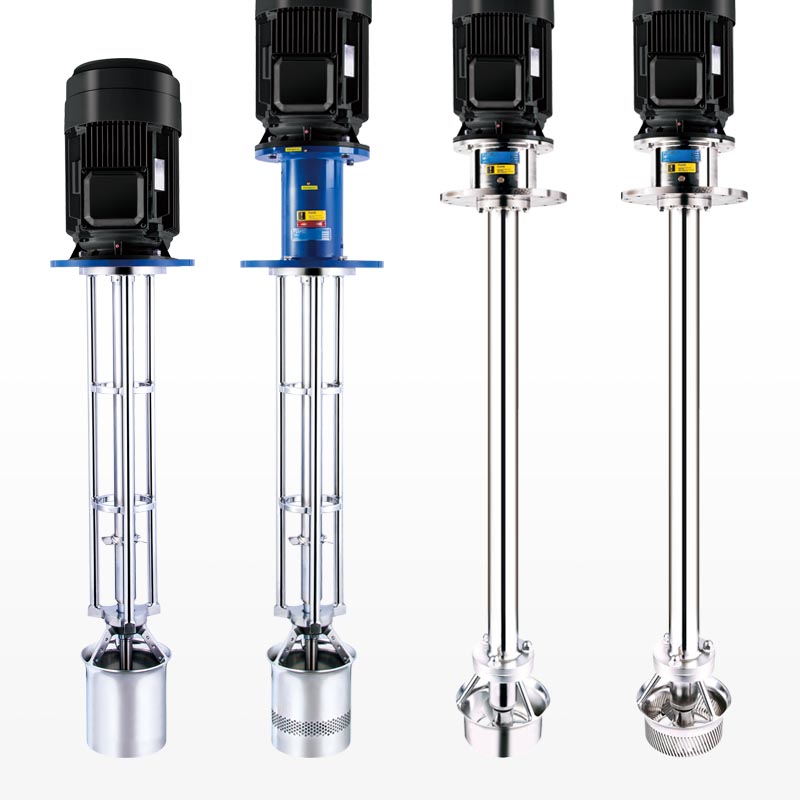
Where mixtures break down
Clumping: powders that bridge on the surface or form doughballs inside the vortex. Over-shear: fragile emulsions collapse when the rotor runs too hard. Thermal drift: viscosity changes with heat and ruins target consistency. Scale shock: what worked in a 1 L beaker fails in a 1,000 L kettle because flow patterns change. Contamination risk: seals and cleanability determine whether a line stays production-ready or needs costly cleaning cycles. These are tangible, repeatable failures—not abstract risks—so solutions are practical and mechanical.
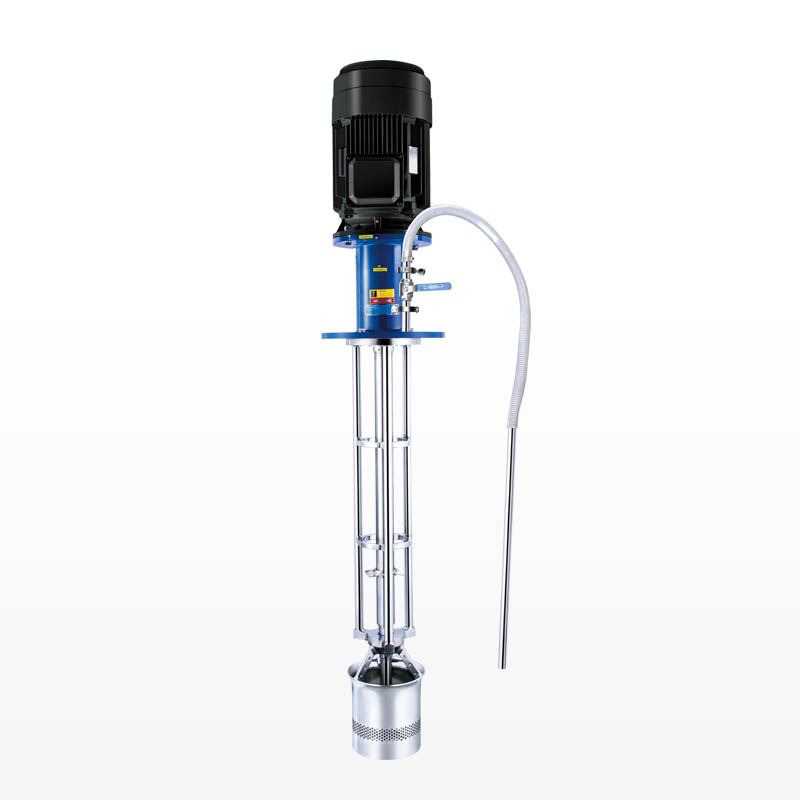
How manufacturers fix the recipe
Good manufacturers treat mixing like mise en place. They match impeller geometry to the product: axial flow for bulk circulation, radial or high-shear rotor-stator for rapid dispersion. Material choices—316L stainless, polished finishes, sanitary tri-clamps—stop hang-ups and ease cleaning. Controls matter: variable-speed drives, soft-starts, programmable ramps avoid shock. For emulsions, staged approaches work best: prewet powders, use low-shear incorporation, then finish with a controlled high-shear pass. Design verification uses scale-down vessels that reproduce flow patterns, not just volume; that’s how engineers avoid surprises when they scale up.
Alternatives and common mistakes
Static mixers are simple and cheap, but they can’t handle particle wetting or deagglomeration reliably. Ultrasonic homogenizers cut droplets very small, yet they produce heat and are limited by throughput. High-pressure homogenizers excel at nanoemulsions but demand pre-dispersed feed and tight seals. The classic mistakes: starting at full speed, skipping staged addition of powders, underestimating gas entrainment, and ignoring vessel geometry. Address those five and you resolve more than half of production headaches.
Evidence from the bench and the tradeshow floor
Years of piloting formulations in contract labs and observing OEM demos taught me to trust side-by-side trials. At Pittcon, vendors demonstrate how a lab procedure translates to pilot scale, and those demos make the difference between a theory and a repeatable method. For practical testing I rely on a dedicated lab powder liquid mixer to validate feed strategies, sampling points, and final particle size distributions before any capital purchase—real checks that prevent expensive surprises later.
A concise buying checklist
Match the machine to the task: identify whether dispersion, emulsification, or deagglomeration is primary. Specify materials and surface finish for cleanability. Ask for scale-down validation reports and request sampling data: torque curves, particle-size distribution, and temperature profiles. Confirm maintenance access: seals, bearings, and impellers should be serviceable without major disassembly. Require vendor support for parameter transfer—meaning they don’t just sell hardware; they hand over a working procedure.
How it all ties to a dependable partner
When someone builds machines the way a chef builds a menu—precision, repeatable technique, and respect for ingredients—you get machines that solve the problems rather than mask them. That’s why teams that need predictable homogenization and mixing rely on proven lab-to-pilot paths and equipment designed for repeatability, and why a practical partner like FLUKO fits naturally into that workflow: they supply the rigs and the proven methods that keep a formulation stable from bench to batch.