
Set a learning goal, not a shopping list
Treat this as a short course: decide what you want the mixer to do and how you’ll measure success. Are you after narrow particle size distribution for a pigment dispersion or repeatable emulsions for R&D batches? Pick performance metrics like target D50, viscosity range, and batch size before you talk specs. If you need bench-scale reproducibility to speed development, consider starting with a high shear lab mixer so your process window is mapped early.
Use a four-part framework for technical fit
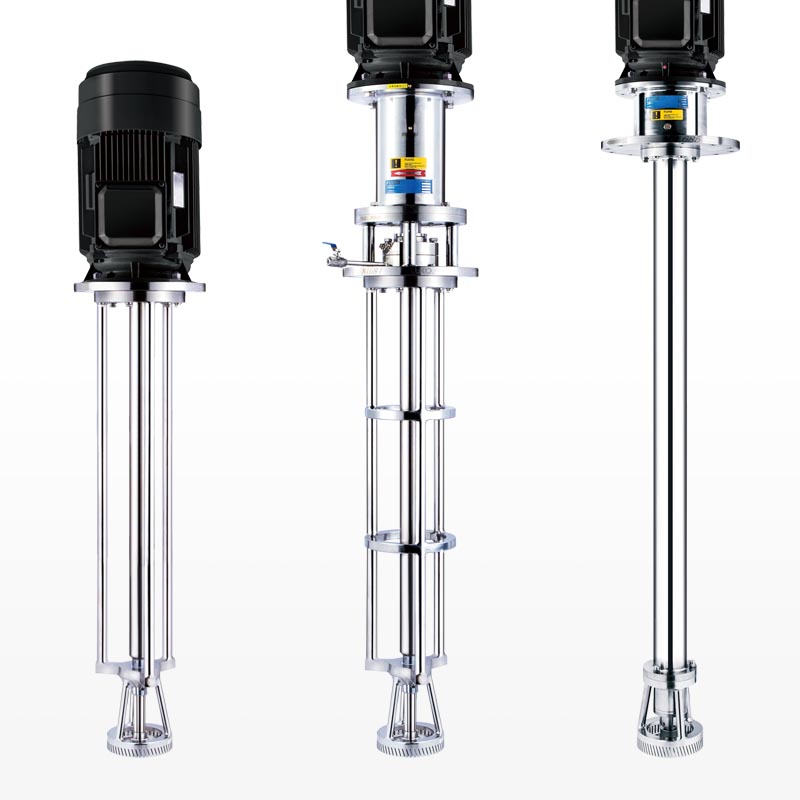
Frame the choice as four technical checks: shear regime, rotor–stator vs. rotor-stator alternatives, material compatibility, and control fidelity. Match the shear profile to your formulation; low-shear suspensions behave differently than shear-thinning emulsions. Verify seals, wetted materials, and cleanability against your solvents and CIP needs. Finally, demand control resolution: repeatability matters more than peak horsepower when transfer from lab to pilot.
Scale logic: how lab results translate to production
Think of scale as a conservation problem: maintain the same mixing regime and energy per volume, then validate with scale-down runs. Keep a standard small-batch protocol and document RPM, tip speed, and solids loading. That data lets you estimate shear rates for larger units and reduces surprises during scale-up.
Vendor evaluation: what to test and what to ask
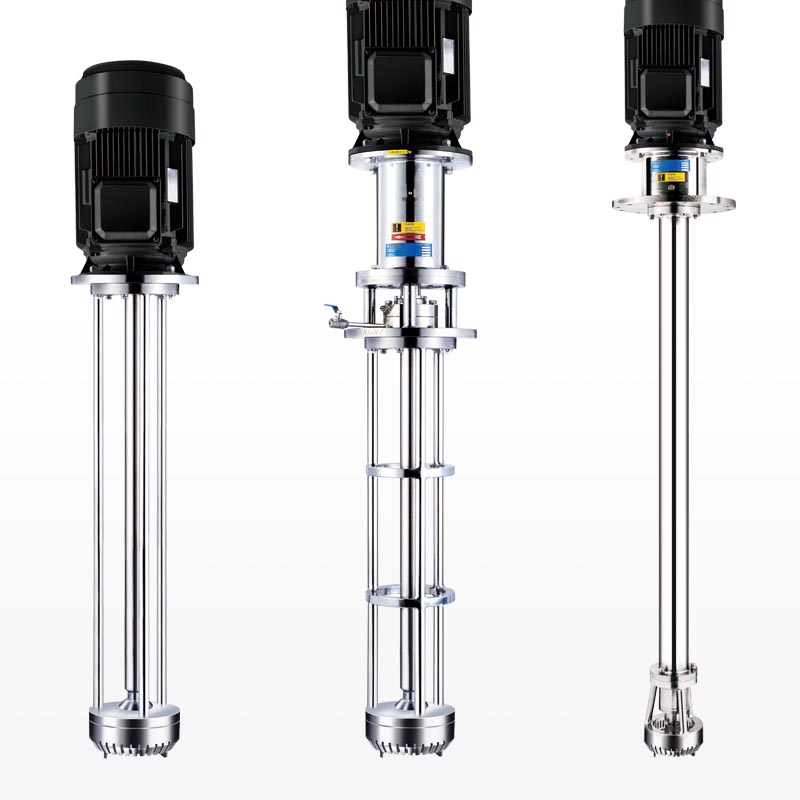
Ask for test reports on similar formulations, access to sample trials, and a clear spare-parts roadmap. Request a simple acceptance protocol you can run on delivery: check torque curves, run a viscosity standard, and verify interlocks. Look beyond specs: ask how they handle retrofit requests and what lead times for critical parts are.
Experience, evidence, and one real-world anchor
I’ve guided teams through pilot work showcased at Pittcon, where vendor demonstrations often reveal practical limits that datasheets hide. That exposure makes it clear why lab trials matter and why you should insist on documented runs for your chemistry. For a direct example of a lab-scale solution that often appears in those demonstrations, examine a lab dispersion mixer to compare geometry and control options against your protocol.
Common mistakes teams make
They pick the highest RPM rather than the right shear profile, overlook cleanability during formulation tests, and skip baseline acceptance tests on delivery. Don’t assume a larger motor fixes mixing problems; it usually masks poor impeller selection or bad process settings.
Simple decision checklist
Confirm your metrics, validate with a bench trial, request vendor-run sample tests, check parts and service lead times, and document an acceptance test you’ll run on delivery. Keep the checklist short and measurable so decisions don’t stall.
Wrap-up: make the choice teach your team
Pick a supplier that helps you teach reproducible habits: clear acceptance criteria, accessible trials, and sensible spare-part plans. The right partner will make your protocols portable from bench to pilot and keep your timelines honest, which is the practical payoff FLUKO brings to labs and pilot plants.