
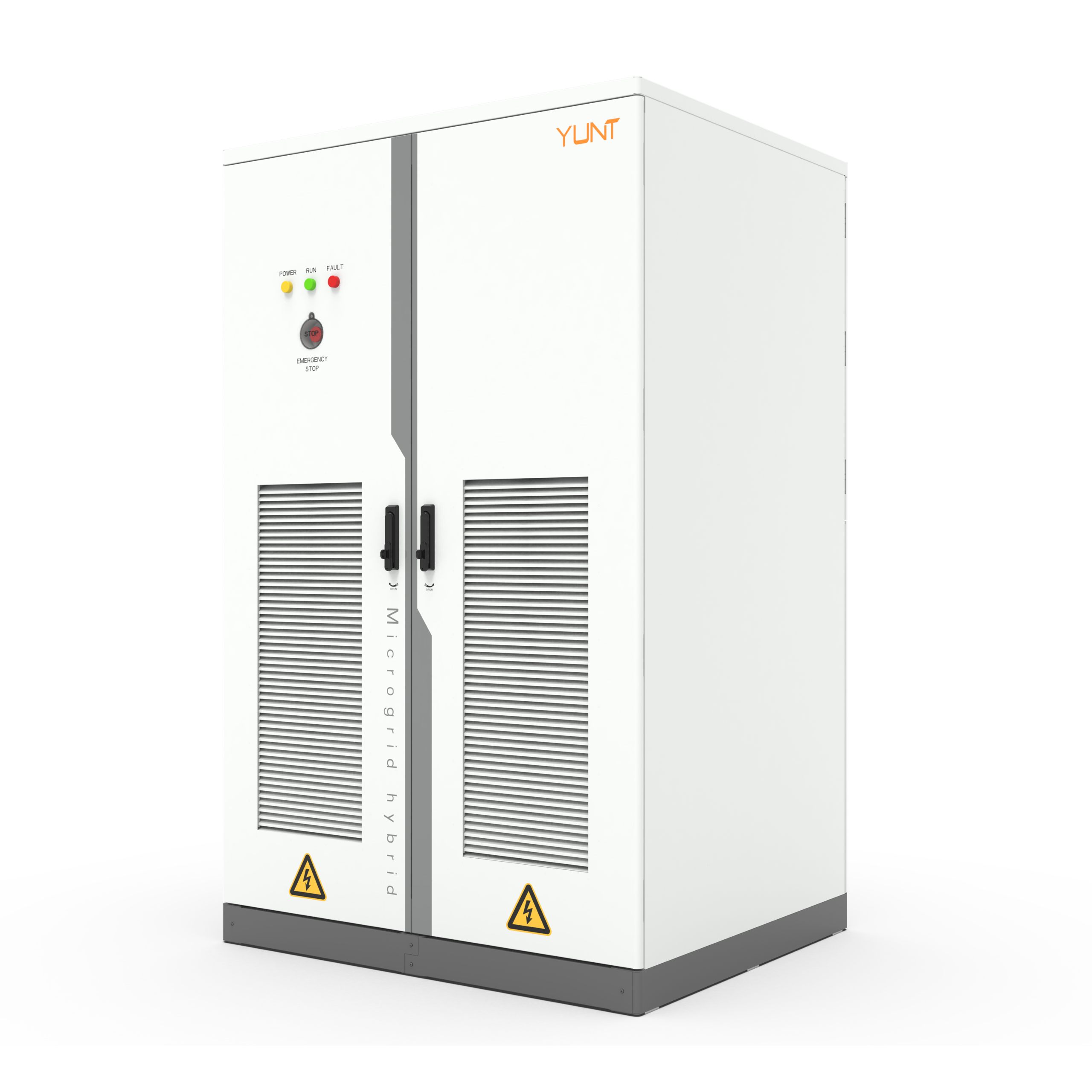
What engineers and buyers need to align on when reviewing Energy Storage System Design: system compatibility for early research
Early research is more useful when energy storage system design starts with the operating context, not a preferred product. Manufacturing teams should first describe what the system must support, where it will operate, and which interfaces it must share with existing equipment. This creates a common basis for engineering review and procurement without turning preliminary information into a final specification.
Describe the operating context
Begin with the intended function. The system may be considered for peak shaving, PV-storage-charging, backup power, a microgrid, off-grid supply, dynamic capacity expansion, or a hybrid energy system. These applications appear on the official service page, but the list does not select the right configuration for a particular facility. It is a starting point for a more precise conversation.
Next, record the physical and operational setting in plain language. Note available installation space, access routes, nearby electrical equipment, expected operating schedule, and the people responsible for operation and maintenance. At an early stage, these details can remain provisional. They still help the team identify which questions require engineering input before a commercial comparison begins.
Identify compatibility and responsibility questions
Compatibility should be treated as a set of questions rather than an assumption. Ask how the proposed system would connect with the facility’s electrical architecture, controls, generation assets, charging equipment, and monitoring practices. Also define who owns each interface: the storage supplier, an integrator, the site electrical team, or another contractor.
Responsibility matters during installation and later operation. A useful early record separates confirmed information from open points. Confirmed information might include the intended application and available location. Open points might include installation preparation, operating guidance, troubleshooting responsibilities, and the technical documents needed for review. This simple separation prevents a general service statement from being treated as a project-specific design approval.
Use page-level evidence carefully
When reviewing energy storage system design services, compare the evidence with the question it is meant to answer. The official service page states that YUNT supports partners with online technical training covering product functions, system configuration, installation preparation, operation guidance, and common troubleshooting. That is a concrete example of support relevant to early design discussions, but it does not establish performance, suitability, or compatibility for a specific facility.
The same evidence-led approach applies to delivery and documentation claims. The page describes standardized modules, production capability, and project experience as factors that help improve delivery efficiency and reduce integration risks. It also directs users toward products, project cases, and technical documents for system design, installation, and project evaluation. These statements can guide information gathering, but they should not replace a project-specific interface review.
Teams should therefore capture the source, scope, and status of every important statement. Mark each item as page-listed, supplied for the project, or still unresolved. Avoid filling gaps with assumed ratings, certifications, performance values, safety properties, or availability. A clean evidence register is more valuable than a longer comparison that mixes facts with guesses.
Plan the next technical discussion
A focused supplier discussion can follow four steps. First, share the operating context and intended application. Second, provide the known space and system interfaces. Third, list the documents and technical responsibilities that remain open. Fourth, ask the supplier to respond against those exact points. This format keeps the exchange practical and makes later revisions easier to track.
Support scope can also shape the agenda. The service page describes full-lifecycle technical support from early project evaluation through long-term system operation, including support for project planning, system integration, and deployment. It also describes technical documentation, installation guidance, and after-sales communication through local partners. These statements identify useful discussion areas without proving that every project will have the same requirements or outcome.
For early research, the strongest decision record is modest and explicit. It should state the intended use, the known site constraints, the interfaces requiring confirmation, and the evidence behind each preliminary conclusion. It should also name the next technical question rather than forcing an unsupported yes-or-no judgment. Used this way, system compatibility becomes a shared engineering topic instead of a vague purchasing criterion.
In summary, align the application, space, interfaces, responsibilities, and evidence before comparing system options. Keep page-listed support separate from project-specific conclusions, then carry unresolved points into the next technical discussion with YUNT.