
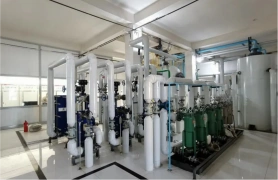
A Key Challenge in Biodiesel Production
Imagine running a biodiesel plant where your feedstock quality is inconsistent. Did you know that around 30% of feedstock can be unfit for biodiesel production? UCO pre-treatment for biodiesel becomes critical here. This is where a distillation column can make all the difference. However, not all solutions are created equal. I have seen how costly inefficiencies can sap profits and slow down production processes. Understanding the core mechanics of waste oil pre-treatment is essential for addressing this issue.

Understanding the Distillation Process
The distillation process is a core part of ensuring high-quality biodiesel. It involves separating different components based on their boiling points. Unfortunately, many companies overlook the importance of having an effective distillation column that operates efficiently. When I assess plants, the most common flaw I encounter is outdated equipment that doesn’t meet current efficiency standards. This not only affects output but can lead to wasteful excess—an unnecessary headache. So, what does a modernized solution look like?
Why Upgrade Your Distillation Equipment?
New technologies can greatly enhance the efficiency of your operations. For example, a more advanced distillation column can improve the recovery rate of valuable byproducts while reducing operational costs. I recall a client who upgraded their machinery and saw a 25% increase in oil purity within the first month. It’s actions like these that pay off immediately and set the stage for future success. By implementing efficient pre-treatment systems, we not only address current challenges but prepare for the growing demand for biodiesel.
Looking Ahead: The Future of UCO Pre-treatment
As we gear toward a more sustainable future, the importance of optimizing UCO pre-treatment can’t be overstated. If we think about how the biodiesel industry has evolved, we see a shift towards better processing technologies and sustainable practices. The tech around distillation columns is becoming increasingly sophisticated, enabling us to reclaim more usable products from waste oil than ever before. Not only that, but adapting these newer technologies can yield better quality biodiesel, which appeals to a more eco-conscious consumer base.
What’s Next?
The advances in purification technologies are opening doors to amazing opportunities. Companies adopting these changes can anticipate significant ROIs. I advise focusing on key metrics, such as throughput efficiency, energy consumption, and spoilage rates. Regular evaluations can lead to strategic decisions, ensuring that you’re not just keeping pace but staying ahead of industry demands.
Conclusions and Benefits of Modernization
I’ve learned over the years that embracing new technologies isn’t just about keeping up; it’s about setting the pace. It’s crucial to weigh the benefits of upgraded systems against existing setups—assessing downtime, performance, and operational costs. Each plant is unique, so customize your approach. For anyone involved in biodiesel production, implementing advanced pre-treatment solutions can lead to measurable improvements both in output and cost-effectiveness.

In conclusion, today’s biodiesel producers should continuously seek out better technologies to streamline operations. While it may seem daunting, the benefits are clear. With the right adjustment to your UCO pre-treatment process, particularly through effective use of a distillation column, you’ll find that efficiency and quality can go hand-in-hand. Contact Ocean for more insights on how to optimize your setup and meet the demands of tomorrow.