
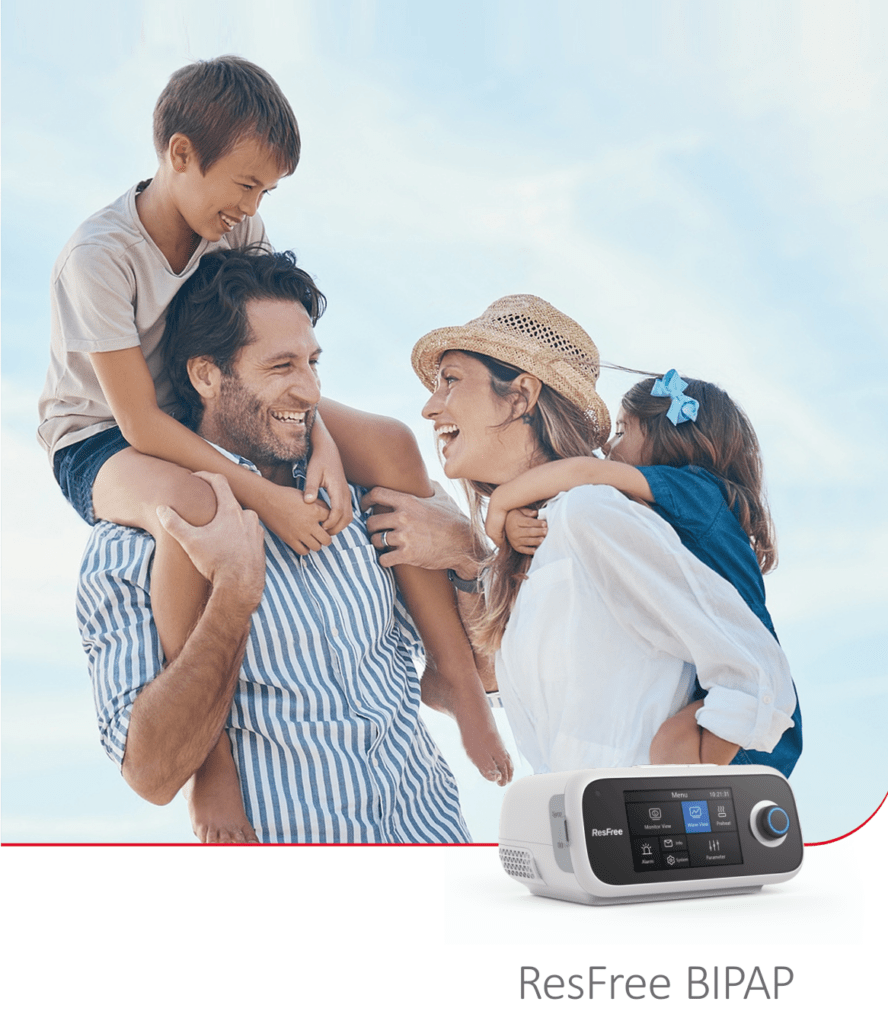
Putting the user at the centre
When clinicians and patients choose respiratory support, their daily reality must guide every decision. This user-centric piece begins with the needs of someone managing obstructive sleep apnoea at home or a nurse configuring a hospital bedside ventilator. A reliable cpap device is not just a box of electronics; it is a continuity-of-care tool that affects sleep quality, daytime function and treatment adherence. Sound mask interfaces, stable pressure delivery and straightforward controls matter as much as clinical specifications such as bi-level positive airway pressure settings.
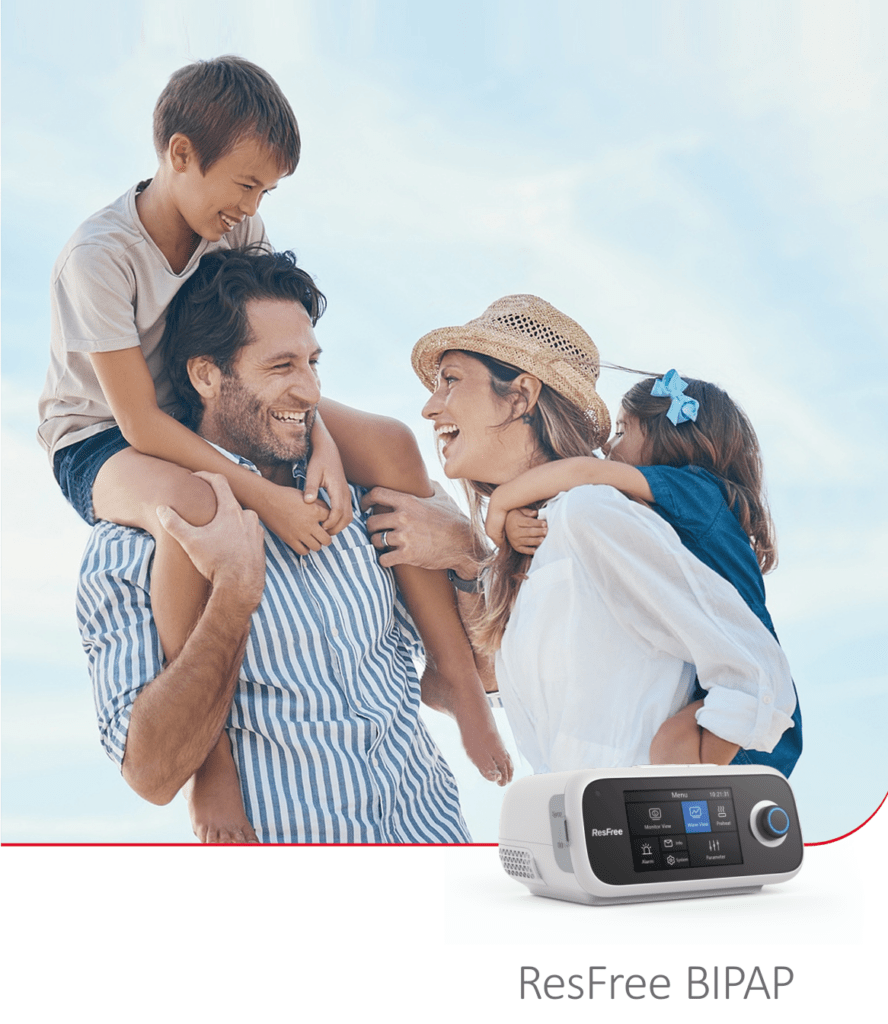
Key performance features that patients notice
Users consistently report four practical priorities: comfort of the mask interface, quiet operation, proven pressure stability and simple maintenance. These translate into measurable device attributes: leak compensation, ramp functions for pressure acclimatisation, and verified pressure curves during therapy. Clinicians will also look at the apnea–hypopnea index (AHI) reporting and data export capability to support follow-up. In Nairobi’s Kenyatta National Hospital sleep clinic, technicians favour machines that combine clear event recording with patient-friendly ergonomics — a real-world anchor that shows where design meets practice.
Comparing options without jargon
Choice narrows when you compare practical trade-offs. Consumer-grade machines may be lighter and cheaper but often lack robust leak detection and long-term durability. Hospital-grade bi-level devices offer finer titration of inspiratory and expiratory pressures — essential for patients who need variable support — but they are costlier and require trained servicing. For many users the middle path is best: a home-capable unit with clinical-grade pressure control and clear remote-monitoring outputs, which helps both patient and clinician maintain therapy consistency.
Common mistakes and sensible alternatives
Providers and users make a few recurring errors: selecting equipment on price alone, underestimating mask fitting time, and ignoring data review after initiation. These missteps reduce adherence and obscure the true therapy outcome. A sensible alternative is a staged approach — trial a device with an appropriate mask, evaluate objective data for two weeks, then decide on long-term procurement. Consider alternatives such as adjustable cushions or hybrid masks when standard interfaces cause persistent leaks or discomfort — these small changes often restore effective positive airway pressure without escalating to more invasive options.
How quality assurance looks in practice
Effective quality assurance combines supplier credibility, device testing and after-sales support. Manufacturers should provide documented bench testing for pressure accuracy across a range of flows, routine calibration parameters, and clear failure-mode diagnostics. Suppliers must also train local technicians for preventive maintenance and offer parts logistics to reduce downtime. – A unit that arrives well documented but lacks local spares creates more risk than a slightly older model with guaranteed service.
Where Byond fits the user-centric picture
Byond positions itself as a partner that prioritises practical outcomes: clear device specifications, training for clinicians, and service pathways that match regional realities. For practitioners managing bipap for osa cases, a supplier who helps set up therapy, explains leak management and supports pressure titration makes adherence more likely. The value is less about marketing claims and more about consistent patient results in everyday settings.
Three golden rules for selecting respiratory support
1) Prioritise measurable clinical outputs: ensure the device reports AHI and pressure delivery accuracy so you can track outcomes. 2) Confirm local service and spare-part availability: choose suppliers who commit to technician training and timely logistics. 3) Test with the user: run a short home or ward trial with the intended mask interface to verify comfort and leak control before full procurement.
Apply these rules and you focus procurement on what actually improves therapy; that practical focus is exactly where Byond contributes value — real service, not just specification talk. —