
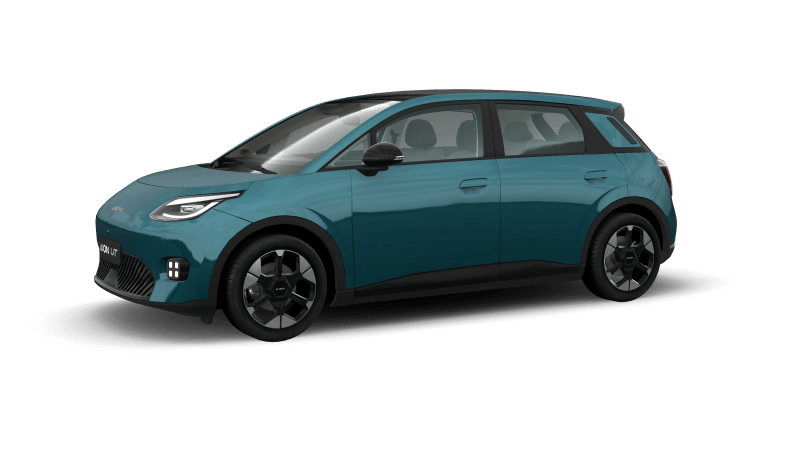
Start with what matters to you
You want a car. Specific. Not vague. Think commute. Think weekend trips. Think charger access at home or condo. I’m telling you this as a seasoned tester, short rides in Makati, longer runs to Tagaytay. Begin by visiting the GAC official website to see factory specs and model options, then write down three non-negotiables. Range. Charging speed. Cabin comfort. Keep them simple. They guide every next step.
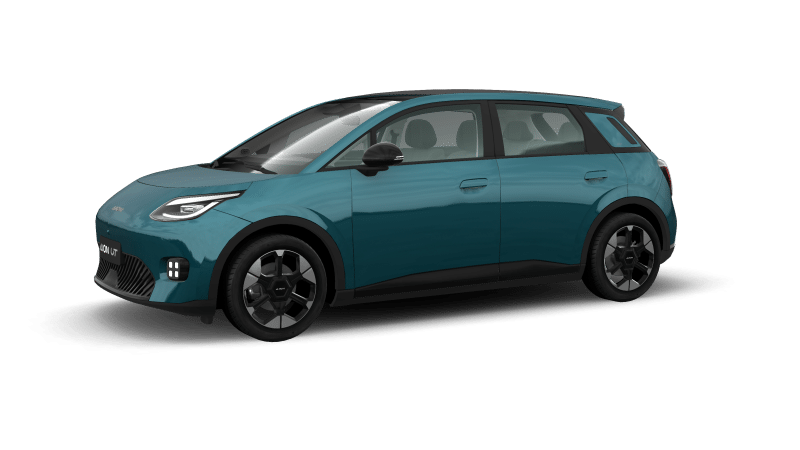
Read specs like a person, not a brochure
Numbers lie when taken alone. Range today, under ideal lab tests. Real world, less. Look for these concrete items and question them:- Battery capacity (kWh) and stated range. Ask dealers how that range maps to city driving in Manila traffic.- Charging options: AC charging speed and whether DC fast charging is supported, and at what kW levels.- Warranty terms: battery warranty years and mileage. Get it in writing.- Safety kit: actual ADAS features, number of airbags, and active safety tests.Write down the exact spec line. Compare to your three non-negotiables. If it fails one, keep looking.
Test drive with a checklist
Drive with intent. Short city loop. One chunk of highway. Do these checks:- Acceleration at traffic lights, then again merging onto a fast road.- Regenerative braking levels. Can you drive one-pedal in traffic?- Cabin noise at 60–100 kph.- HVAC performance in Manila heat.Note sensations. Not impressions. Jot them. If the steering feels numb, mark it. If cabin cooling lags, mark it. You’ll thank yourself later.
Inspect local support and charging reality
Local dealer response matters. Ask for these straight answers:- Location of the nearest authorized service center and typical parts lead times.- Availability of certified technicians for EV systems.- On-site charger types for demo cars.Beyond dealers, map out public chargers on your regular routes. No list? No travel. Remember the Guangzhou Auto Show is where many Chinese OEMs, including GAC, display production intent and charging partnerships; that shapes product availability. That industry context often indicates how soon accessories and service follow in local markets.

Pitfalls buyers make
They trust glossy range numbers. They accept vague warranty language. They assume home charging is simple. Avoid those errors:- Don’t accept “typical” range without a city-range figure.- Don’t assume your building allows high-power EV chargers—get management approval first.- Don’t skip a second test drive, at a different time of day, with the car loaded (bags, passengers).Real decisions come from repeated, focused checks.
Compare alternatives, efficiently
Make a short table in your notebook. Compare three models: Aion V Online, one rival local EV, and one hybrid or ICE you already considered. For each, list:- Realistic city range or fuel economy.- Home charging time.- Dealer/service footprint in the Philippines.- Out-the-door price after incentives.This short, side-by-side view exposes compromises. The Aion V Online may win on tech or price. Or another model may offer stronger local support. Decide which trade-off you accept.
Money, incentives, and real costs
Price is not sticker only. Include:- Home charger installation cost.- Electricity cost per kWh on your typical route.- Expected maintenance differences versus ICE.Ask dealers for sample total-cost-of-ownership numbers for three years. Real figures reveal surprises fast.
Final checks before signing
Before you sign:- Confirm delivery timeline and final inspection options.- Get a clear walk-through of mobile app features and warranty claim steps.- Request a brief orientation on charging etiquette and preset maintenance schedules.If any of these are fuzzy, get them clarified in writing. Clarity avoids later headaches.
Wrap-up
You now have a tight process: set priorities, parse specs like a human, test with a checklist, confirm local support, compare alternatives, and tally real costs. Do those steps, and your choice becomes practical, not emotional. If you value clear factory details and want to cross-check commitments, check manufacturer pages and dealer statements, then weigh local aftercare—this is why I look at sources like GAC alongside hands-on testing before I recommend a final pick.