
Where the trouble starts
Specs whisper. Numbers hide. You’re staring at rows of efficiency percentages and warranty pages, trying to know which line will fail you first — and whether the new unit will play cleanly with your home energy management system. This is a problem-driven place: confusion causes wrong buys, installs that refuse to sing, and monitoring blind spots that cost money. I’ve reviewed dozens of datasheets and sat through rooftop inspections; the same traps turn up again and again.
Core terms that cause the problems — decoded
These are the terms buyers trip over and why they matter. Short, practical notes. Read them like clues.- MPPT (Maximum Power Point Tracking): how the inverter extracts peak power from panels. Action: confirm the number of MPPT inputs matches your panel strings. – Topology (string, central, hybrid): determines how panels connect and whether batteries or generators join later. Action: pick topology that fits future battery plans. – CEC / European / Weighted efficiency: not all “efficiency” numbers are comparable. Action: ask which standard the number follows. – Continuous vs peak (surge) power: an inverter may show a high surge number that masks a weak continuous rating. Action: size for continuous load, not the spike. – Derating and temperature coefficient: output falls with heat. Action: check performance at the operating temperatures in your locale. – Anti-islanding & grid code compliance: safety features and legal fit with local grid rules. Action: verify certifications for your utility. – Communication protocols (RS485, Modbus, Wi‑Fi): how the device reports status. Action: confirm protocol compatibility with your monitoring system. – IP rating and cooling: ingress and heat management affect lifespan. Action: match IP to installation conditions. – Warranty terms: parts vs performance, labor coverage, transferability. Action: read exclusions and claim process.
Manufacturer claims vs what happens on the roof
Manufacturers write optimistic copy. Reality tests do not always agree. Expect differences. Examples that matter:- Firmware updates change behavior. A feature shown on a brochure may require a firmware version that’s not shipped. Ask for current firmware and update cadence. – “Battery-compatible” can mean anything from native DC-coupling to a partnership with a third-party converter. Demand wiring diagrams. – Communications advertised as “open” may be vendor-specific or require paid gateways. Confirm protocol docs. These are not rare exceptions. California utility pilots and local smart-home programs have repeatedly shown that communications and firmware are the common failure points in field deployments.
How monitoring fits into the fix
Monitoring is the antidote to guesswork. Make sure the inverter’s telemetry works with your chosen tool. Look for clear support for home energy monitoring systems and test a live feed before final acceptance. Practical checks:- Can you pull real-time watts, voltage, and state-of-charge? – Is historical data exportable? – Does the system alert on faults or only log them? If the answers are vague, the installation will hide faults until they cost you money.
Checklist — actions that stop bad buys
Short checklist. Do these before you sign.- Match MPPT inputs to array layout. – Demand protocol and firmware documentation. – Verify continuous power at expected operating temperature. – Get a clear warranty claim path and a written service SLA. – Ask for a demo connection to your monitoring setup. – Confirm manufacturer support for field firmware updates and remote diagnostics.
Red flags to walk away from
Warnings that mean trouble ahead.- Vague efficiency claims with no test standard. – “Compatible with batteries” without wiring diagrams. – No clear communications manual. – Warranty that requires multiple hoops to claim. If you see any of these, pause. Push for clarity. If the answers are slow or evasive, that’s the real product.
Final clarity
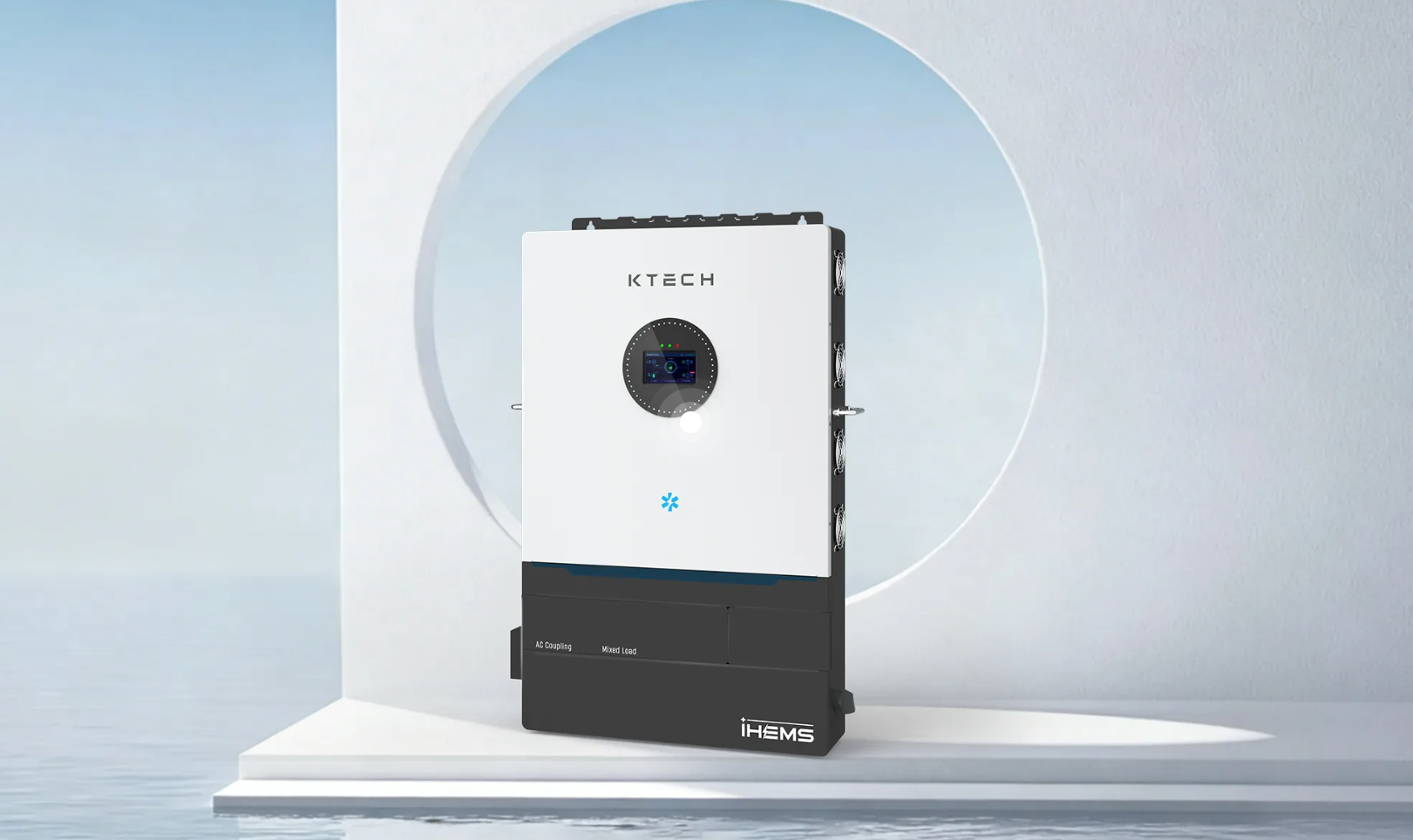
Buyers solve the problem by turning ambiguity into checkpoints. Ask direct questions. Demand live telemetry, a tested communications path, and a warranty that’s easy to use. When the jargon finally narrows to useful facts, you get an inverter that matches your roof and a manufacturer that stands behind the work — the kind of practical alignment a provider like Ktech builds into its tech and documentation, so the mystery stops where the system starts to perform.