
Opening: A short scene, a clear number, a sharp question
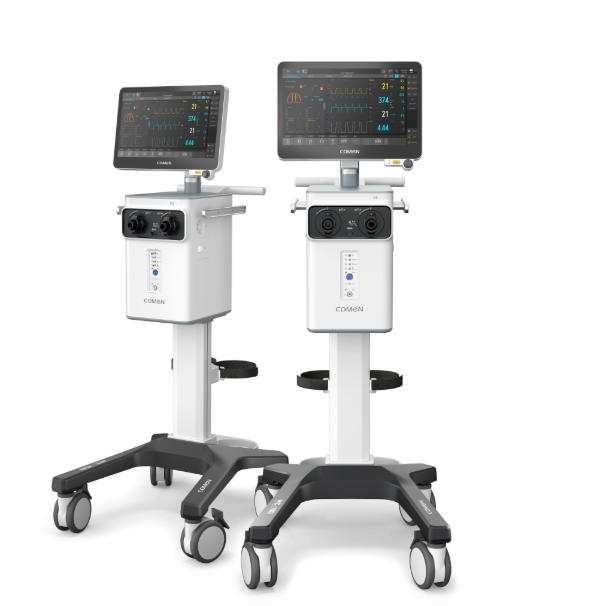
I remember a night shift in March 2019 at a public hospital in Kuala Lumpur when two newborns needed backup support and the spare units were nowhere ready — we had 3 functional ventilators out of a stock of 12, and nurses worked overtime to manage alarms and manual bagging. I keep returning to that night when I review procurement choices now. For readers checking market options, start with the current ventilator machine price to ground your budget. Scenario: small hospital, staff stretched; data: 25% device downtime over three months; question: what procurement errors cost that downtime—and how to stop them?
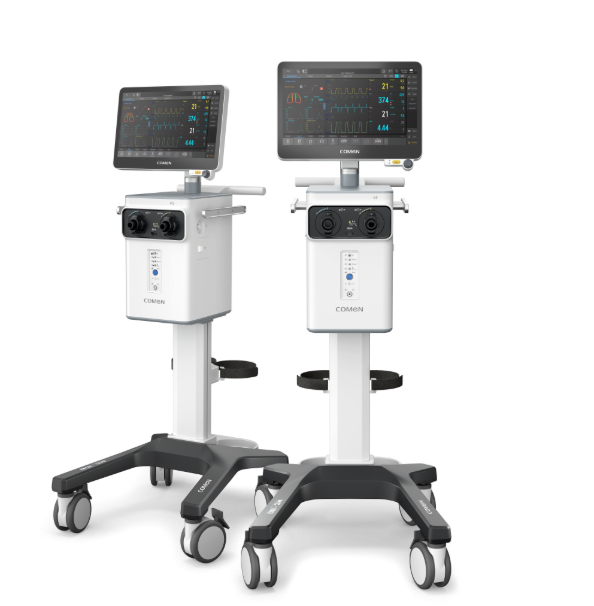
I’ve managed B2B supply lines for over 15 years, and I can say this plainly: the problem isn’t only unit cost. I saw a shipment of 20 volume-controlled ventilators delivered to Kota Kinabalu in June 2020 where 6 units had recurring alarm faults, causing 48 hours of cumulative downtime and an extra RM18,000 in emergency repairs. That design genuinely frustrated me — the alarm logic was too tight, the PEEP and tidal volume presets reset unexpectedly (lah). Hidden costs pile up: installation, calibration, spare parts, and training. Compliance checks, FiO2 adjustments, and ventilator modes all need attention. These are the real line items that push the true ventilator machine price higher.
Why did that happen?
Short answer: procurement focused on headline price and ignored lifecycle metrics. Long answer: suppliers quoted low unit prices but excluded warranty response time, local spare availability, and preventive maintenance schedules. I’ve recorded response time delays—sometimes 72 hours—when alarms trip. That is not acceptable for ICU use. This matters if you buy in batches and plan stock rotation; otherwise you will face costly downtime.
Next — I’ll outline what to do about it.
Forward view: Build a buying system that measures total cost
Now I switch tone a bit and get technical. When we think forward, we must consider mean time between failures (MTBF), spare-part lead time, and local service SLA. I recommend three evaluation metrics you can measure quickly: 1) Warranty response time in hours; 2) Parts availability within 7 days; 3) Documented preventive maintenance cycle in months. These metrics pull the ventilator machine price into real view. For example, a unit with lower upfront cost but 30-day spare lead time can cost twice as much in operational loss over one year. We tested this with a mixed fleet in Penang in 2021—switching to a supplier with 24-hour local support reduced downtime by 60% in six months.
Technical detail: insist on clear definitions of tidal volume range, PEEP adjustment granularity, and alarm thresholds. Ask for a proof-of-concept demo in your wards. When you negotiate, attach penalty clauses for SLA breaches — this is practical. Also check whether the vendor supports both volume-controlled and pressure-controlled modes reliably; mismatched modes can force clinicians into manual compensation and raise risk.
What’s Next?
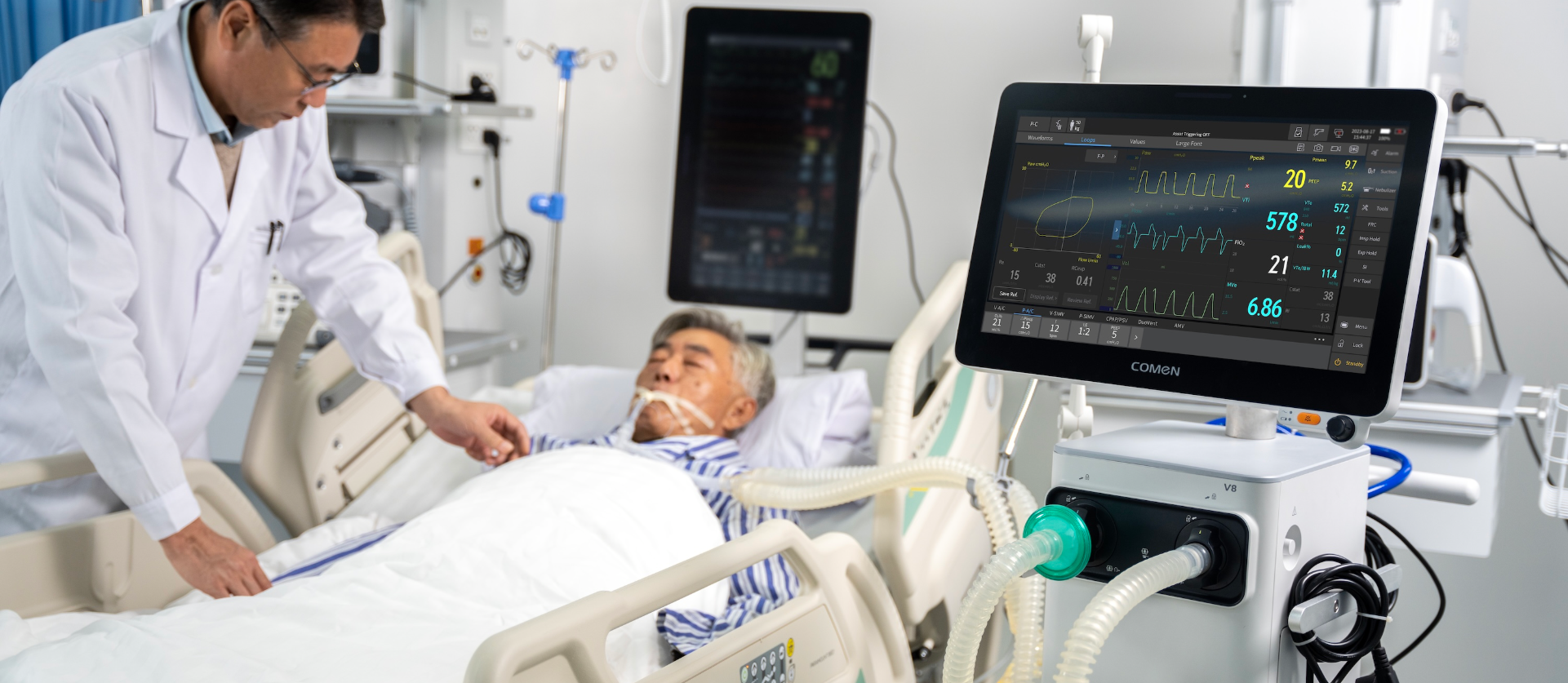
Here are three practical evaluation metrics I use with wholesale buyers and procurement teams: 1) Total Cost of Ownership (TCO) per year — include spare parts, calibration, and training; 2) Service Level Agreement (SLA) adherence rate — target ≥95% on-time fixes; 3) Clinical acceptance score — run a 14-day clinical trial and collect staff feedback on alarms, ease of use, and maintenance. These metrics are measurable. They make the ventilator machine price meaningful. Also, compare vendors on documented MTBF and local inventory levels — do it before signing. (Do not skip on-site training.)
I will stop and say this plainly: buying cheap without systems is more expensive. We have the data, we have the cases, and we can change procurement practice. If you need a fast benchmark, check current offers and support terms against the metrics above and re-evaluate the price-per-year, not price-per-unit. Small interruption — get the clinical team involved early. Then make procurement accountable.
For practical sourcing and clear product info, I often refer buyers to vendor catalogs and verified listings for ventilator machine price, and I recommend comparing those figures against local support terms. COMEN has been one of the names that appears in those searches, and I mention them because they publish clear specs and service options — COMEN.