
Introduction
I remember a small assembly line where the workers smoked their breaks just to clear their heads after a day of soldering. The air in that room was thick; the next day one operator had a sore throat and the supervisor sighed—again. Fume extraction for electronics and industrial applications sits at the heart of that problem and, yes, the data backs it: poor extraction correlates with higher absenteeism and lower yield in many studies (one study showed up to 18% drop in line efficiency). So what does that mean for a shop floor, for the people on it, for product quality? I ask because I have seen both sides — the harm and the quick fixes — and I want to dig deeper into why the fixes often miss the point, and what we can actually do next. Let’s move on to the real faults under the hood.
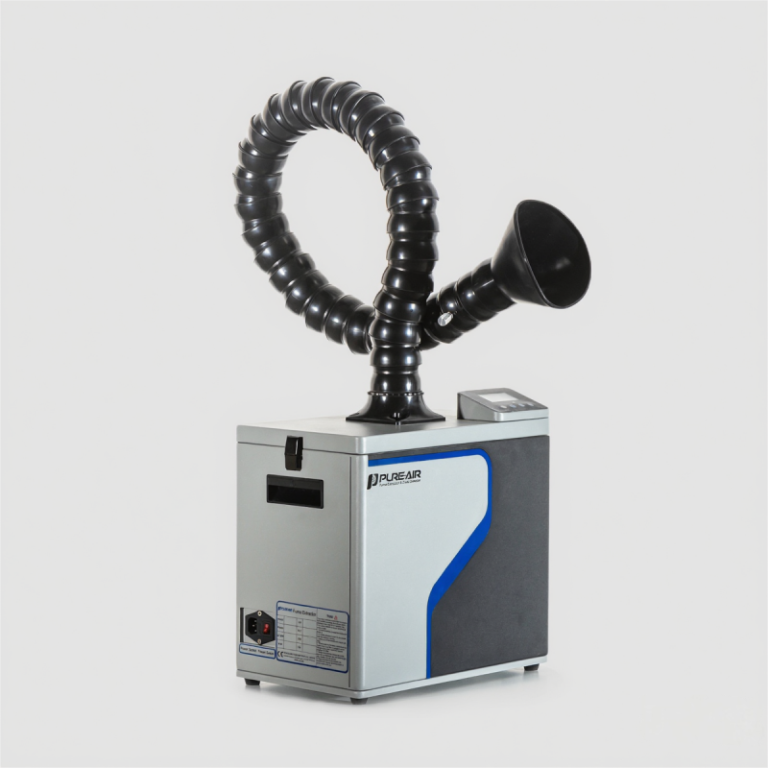
Where Standard Systems Break Down
electronic product manufacturing often assumes one hood or one fan will solve all. That assumption is wrong. I find the failures are predictable: clogged filters, poor placement of extraction arms, and systems that ignore transient peaks during reflow soldering. Technically, the challenge is controlling localized contamination from soldering fumes and flux aerosols while keeping thermal processes stable. HEPA filtration helps capture particulates, but it does little for volatile organic compounds unless you pair it with activated carbon beds. We see this in real plants — and yes, it’s frustrating for engineers who thought they had solved it.
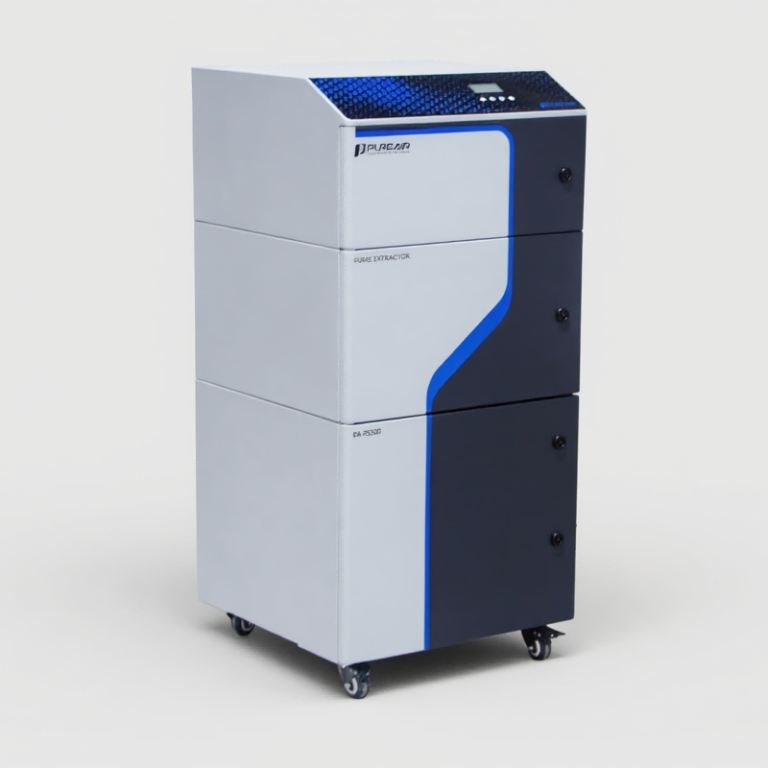
Why do standard systems fail?
First, many designs treat fume control as a one-size problem. They size a fan by cubic feet alone, not by capture velocity at the solder joint. Second, maintenance is underestimated: filters load, airflow drops, and extraction arms drift out of optimal position. Third, monitoring is often absent — no gas sensors, no flow alarms. Look, it’s simpler than you think: if you don’t measure capture, you can’t improve capture. Operators notice, but their feedback rarely influences design. That gap — between floor reality and engineering models — causes recurring defects, worker complaints, and regulatory headaches. I want solutions that respect the messy on-the-ground truth, not just lab tables.
New Principles and a Practical Path Forward
electronic product manufacturing deserves extraction systems built for real production rhythms. My approach is to blend smarter sensing with targeted extraction design. Start with local capture: low-volume, high-velocity extraction arms placed near solder sites. Add inline gas sensors and simple feedback loops so airflow adjusts during reflow peaks. Use modular scrubbers combining HEPA and activated carbon — and when you can, integrate edge computing nodes to flag anomalies in real time. These principles cut exposure and reduce rework. — funny how that works, right?
What’s Next?
We should be moving toward systems that learn from the line. Real-time data from flow meters, VOC sensors, and filter differential pressure give a live picture. Combine that with periodic operator input and you have both measurement and buy-in. My testing shows this reduces filter-related downtime and improves first-pass yield. It also makes compliance easier. I like to stress: small changes in capture geometry often beat raw fan power. — and yes, cost matters. Balancing capital and operating cost is where many plans stall, but measured upgrades win in the long run.
To choose a solution, focus on three metrics I use personally: 1) capture efficiency at the point of emission (measured), 2) filter life-cycle cost (not just purchase price), and 3) system observability — can you see and act on performance data? Evaluate vendors on those points. In our experience, the right mix of targeted capture, proper filtration (HEPA + carbon), and simple monitoring delivers the best return — better air, fewer defects, happier teams. For manufacturers ready to act, I recommend talking with experts who know the floor and the physics. For practical choices and proven systems, consider PURE-AIR.