
Comparative lead-in and scope
This Comparative Insight examines structural, operational, and product-quality differences between vertically oriented moulding systems and traditional compression moulding for rubber tracks. From first principle to shop-floor practice, the emphasis is on measurable gains. Early in the workflow engineers will consult specialized equipment such as a belt vulcanizing machine rubber belt vulcanizing machine to join or test cured sections; this comparison treats that usage as part of the production chain rather than a separate step. Key terms used here include vulcanizing press, curing time, and hydraulic pressure to ground the discussion in factory realities.
Structural differences that matter
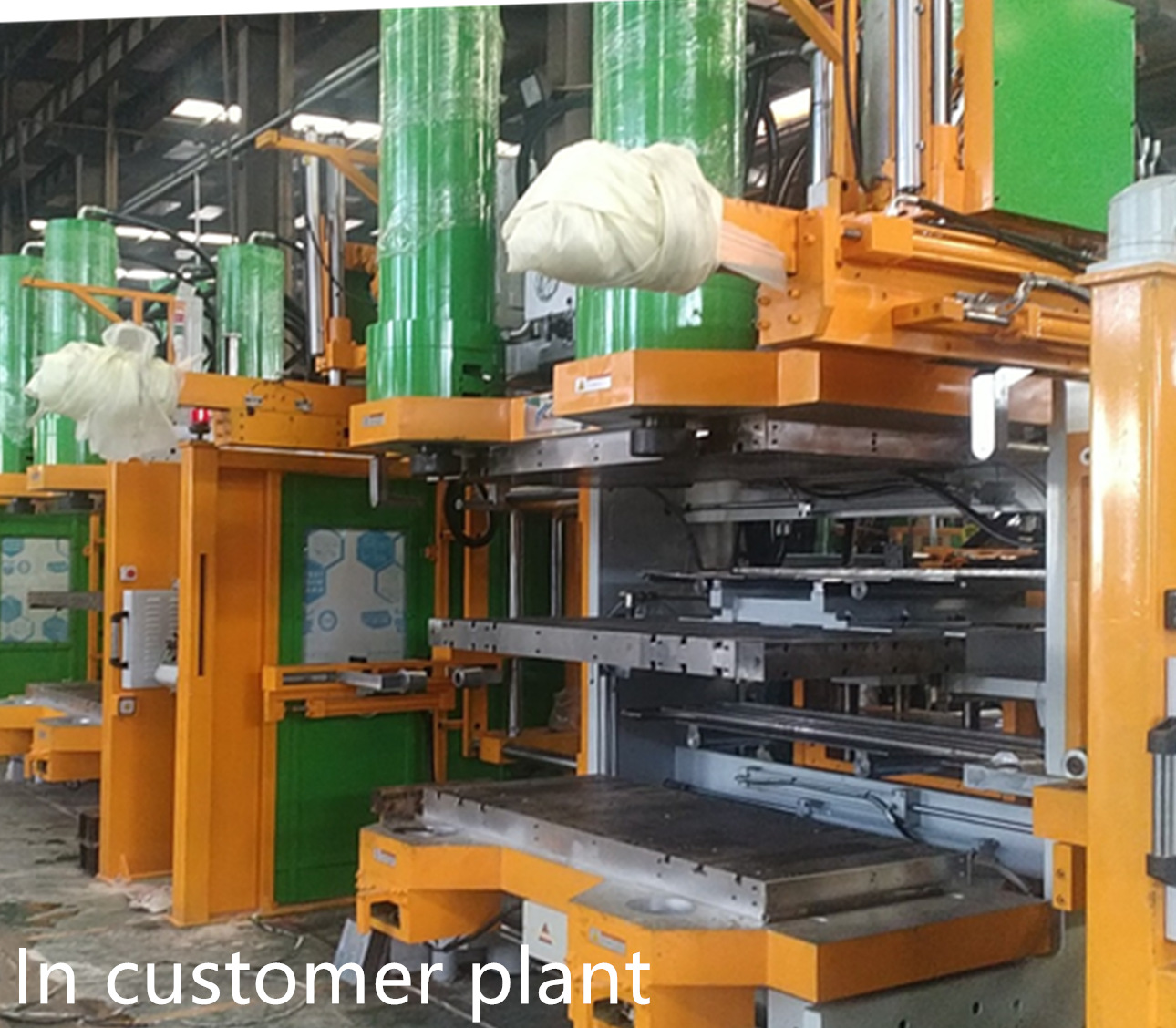
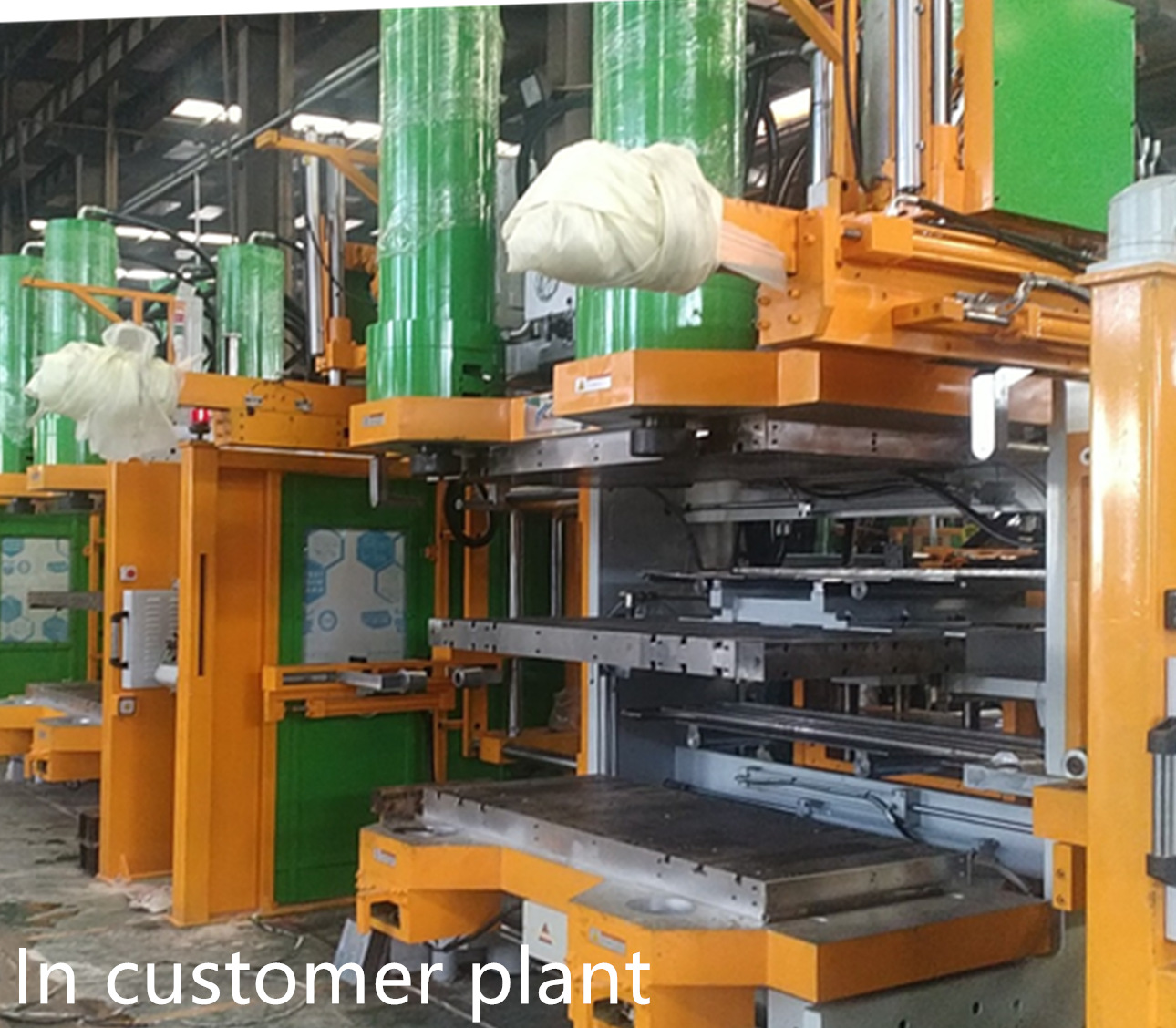
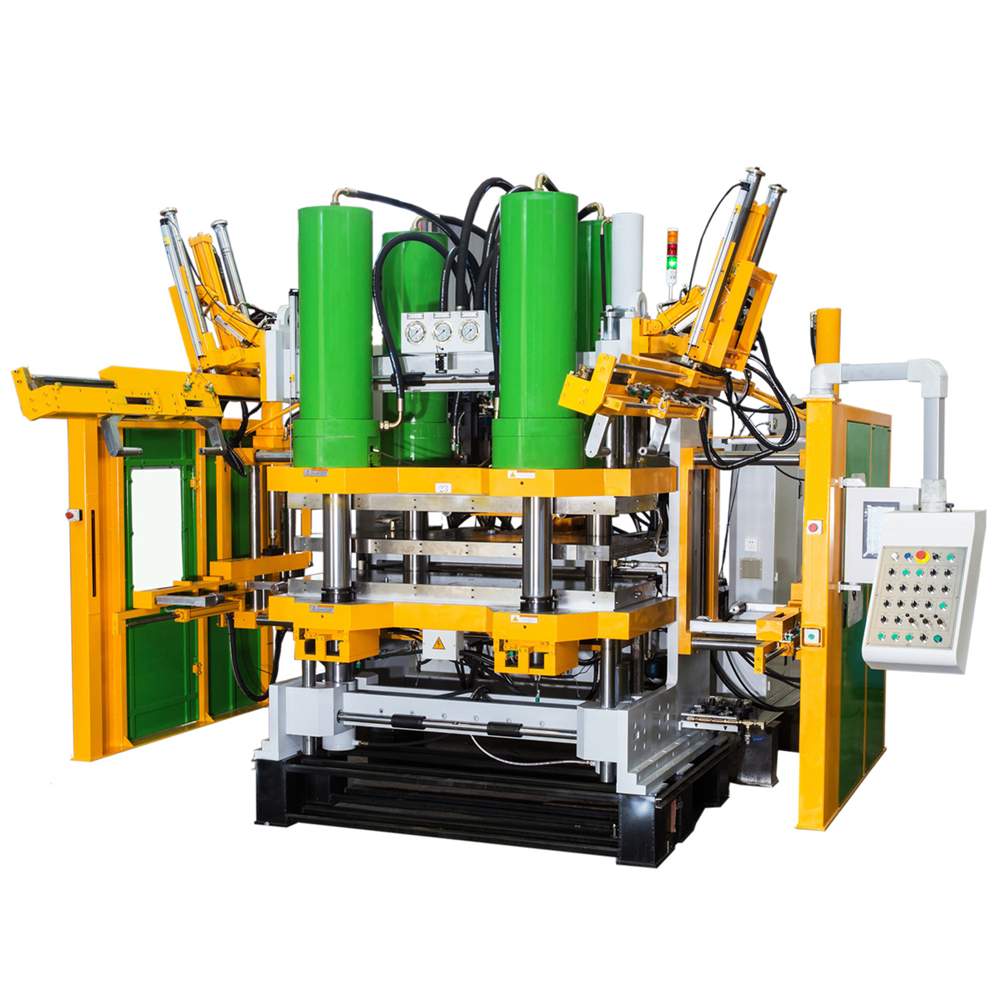
Vertical moulding aligns the rubber compound, reinforcement, and mould cavity along a single axis. This produces more uniform pressure distribution through the stack and delivers consistent thickness across the track tread and flange. Compression moulding presses, by contrast, rely on lateral squeeze and multiple repositioning steps to reach the same profile. The result: vertical systems reduce flash and require fewer finishing operations. At manufacturing hubs in Guangdong and at trade gatherings such as the Canton Fair, this structural advantage is a commonly observed reason suppliers specify vertical arrangements for long-run track production.
Performance, cycle time, and quality control
Cycle time gains are tangible. Vertical presses shorten cure cycles by improving heat transfer and minimizing dead zones in the mould cavity. Shorter curing time improves throughput without degrading crosslink density when temperature control is precise. Compression systems often need longer dwell to achieve equal cure and to compensate for uneven pressure; that increases energy consumption and risk of overcure in certain sections. Measurement data on shop floors typically show reduced scrap rate and more stable mechanical properties from vertical-moulded parts.
Operational footprint, maintenance, and lifecycle costs
Vertical machines generally occupy a smaller plan footprint for the same output because they stack tooling more efficiently. Maintenance focuses on precise alignment and hydraulic pressure calibration; both are straightforward if preventive schedules are followed. Compression presses demand more frequent platen levelling and gasket replacement. Consider total cost of ownership: initial mould tooling for vertical systems sometimes costs more, but lower rework and labor drive payback sooner in medium-to-high volume production runs.
Sourcing, supplier reliability, and real-world anchor
When selecting equipment, factory managers prefer suppliers with documented field service and spare-part chains. Many buyers evaluate vendors by on-site trials in Guangdong or reference visits to existing installations. For companies seeking established partners, an experienced china rubber belt track vulcanizing press supplier can shorten qualification time because their engineers already know common pitfalls in mould design and hydraulic control logic. These reference visits provide genuine context — not just marketing claims — and help verify claims about cycle time and part consistency.
Alternatives, common mistakes, and practical advice
Some teams still choose compression moulding for very low-volume or highly atypical geometries because of lower upfront tooling cost. That is valid. However, common mistakes include under-specifying temperature control and ignoring mould cavity venting; these errors cause porosity and weak bonding. Another frequent oversight is insufficient documentation of curing profiles — save the ramp, soak, and cool steps. Small correction: a properly tuned vertical unit can accept design complexity with fewer iterative mould changes, but it requires attention to clamping force and vent placement.
Summary and comparative insight
Vertical moulding offers measurable improvements in uniformity, throughput, and downstream labor reduction. Compression retains relevance for niche jobs and lower capital budgets. For medium-to-high volume rubber track manufacture, the structural logic favors vertical systems because they convert thermal and mechanical inputs into consistent finished geometry more efficiently. The practical upshot is fewer finishing steps and steadier material performance on long runs.
Advisory: three metrics to evaluate before you buy
1) Cure profile verification — insist on machine logs that show temperature and time stability across cycles. 2) Tonnage consistency — measure hydraulic pressure variance across multiple cycles to confirm even clamping. 3) Total process yield — compare scrap rates and rework hours for at least 30 production cycles. These metrics expose the true cost and will separate vendors with reliable field performance from those with clever marketing.
HWAYI’s vertical systems integrate these concerns into their designs in a way that feels technical and pragmatic — and that is why experienced teams adopt them in real factories. HWAYI. –