
Comparative Insight: where structure changes outcomes
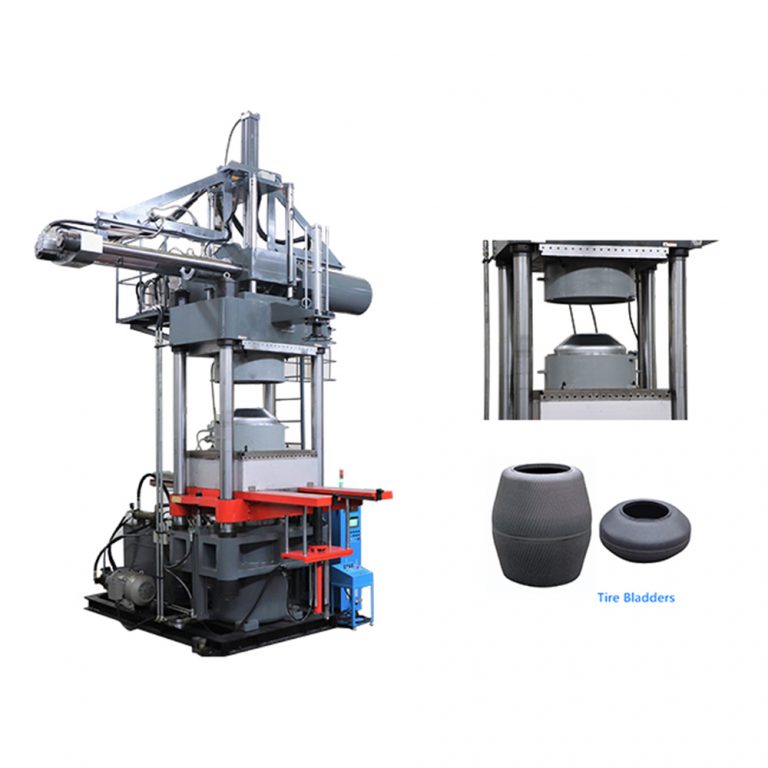
When parts demand tight tolerances and consistent surface finish, the choice between injection and compression molding becomes structural, not stylistic. A well-specified c-frame press often sits on the factory floor, but a c frame rubber injection molding machine brings different strengths: repeatable shot size, controlled mold cavity fill, and reduced operator adjustment. My view comes from time spent on supplier floors near Detroit, where automotive stampings meet rubber assemblies—those production lines taught me to value process repeatability above flashy promises.
Performance and precision: why injection wins on consistency
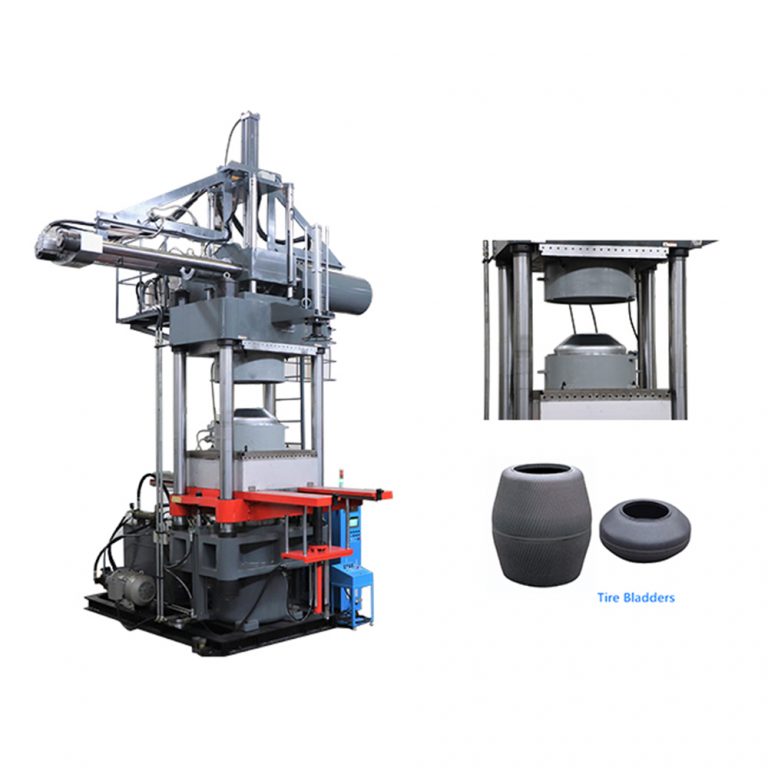
Injection molding controls the material from shot to cure. With consistent clamping force and a repeatable cure cycle, parts show less variation in thickness and fewer sink marks. A compression approach can work for simple geometries, but when a part needs precise ribbing or thin walls, injection’s metered shot and controlled venting reduce scrap. Tooling for injection also manages the mold cavity flow, and the press platen design minimizes deflection—small things, but they add up.
Throughput, waste, and real costs
Injection often reduces cycle time by cutting down manual trimming and secondary finishing. The measurable benefits: lower scrap rates, fewer rejects per thousand, and better material yield with complex rubber compound blends. Compression molding puts more material into a die and accepts more flash; that’s acceptable for low-volume or thick parts, but the math changes at scale. In practice—seen on high-volume lines—an injection setup can reduce per-part labor and yield steadier takt times.
Common mistakes and alternatives to consider
Manufacturers often pick compression because upfront tooling looks cheaper. The mistake is underestimating lifetime costs: extra trimming, frequent tooling tweaks, and unpredictable dimensional drift. Other pitfalls: poor venting, wrong rubber compound selection, or ignoring shot size variability. Transfer molding and two-shot systems are viable alternatives when a hybrid approach is needed, and sometimes a dedicated hot press machine for c frame remains the sensible choice for very thick, blocky parts—each method has its clear domain.
What I look for on the floor—lessons from practical experience
From my hands-on observations, three things separate reliable suppliers from the rest: tight process control, robust tooling, and data-driven inspection. Watch how temperature is logged during the cure cycle, how the mold cavity is vented, and whether the line tracks shot size. These are small controls that make the difference between a one-off success and a consistently performing product line—a lesson I learned while auditing assembly cells in Detroit’s supplier belt.
Three golden rules for choosing the right approach
1) Dimensional stability: demand Cpk or statistical reports showing consistency per 1,000 parts. 2) Tooling capability: confirm the supplier’s experience with mold cavity complexity and press platen rigidity. 3) Process visibility: require cure-cycle logs, temperature control, and shot-size monitoring to be part of the contract.

Each rule is practical—no grand claims—just measurable checkpoints you can verify during supplier review.
Final evaluation and practical takeaway
Injection molding from a capable vendor delivers superior repeatability, less finishing, and clearer scale economics; compression retains a place for simple, low-volume pieces. Expect better dimensional control, reduced per-part labor, and fewer reworks when you specify injection and hold suppliers to the three rules above. For parts that straddle both worlds, transfer molding or a dedicated hot press may be the pragmatic compromise—tested and true on many automotive lines.
HWAYI offers the tooling experience, process controls, and field-proven machinery that turn these practical advantages into everyday realities. —