
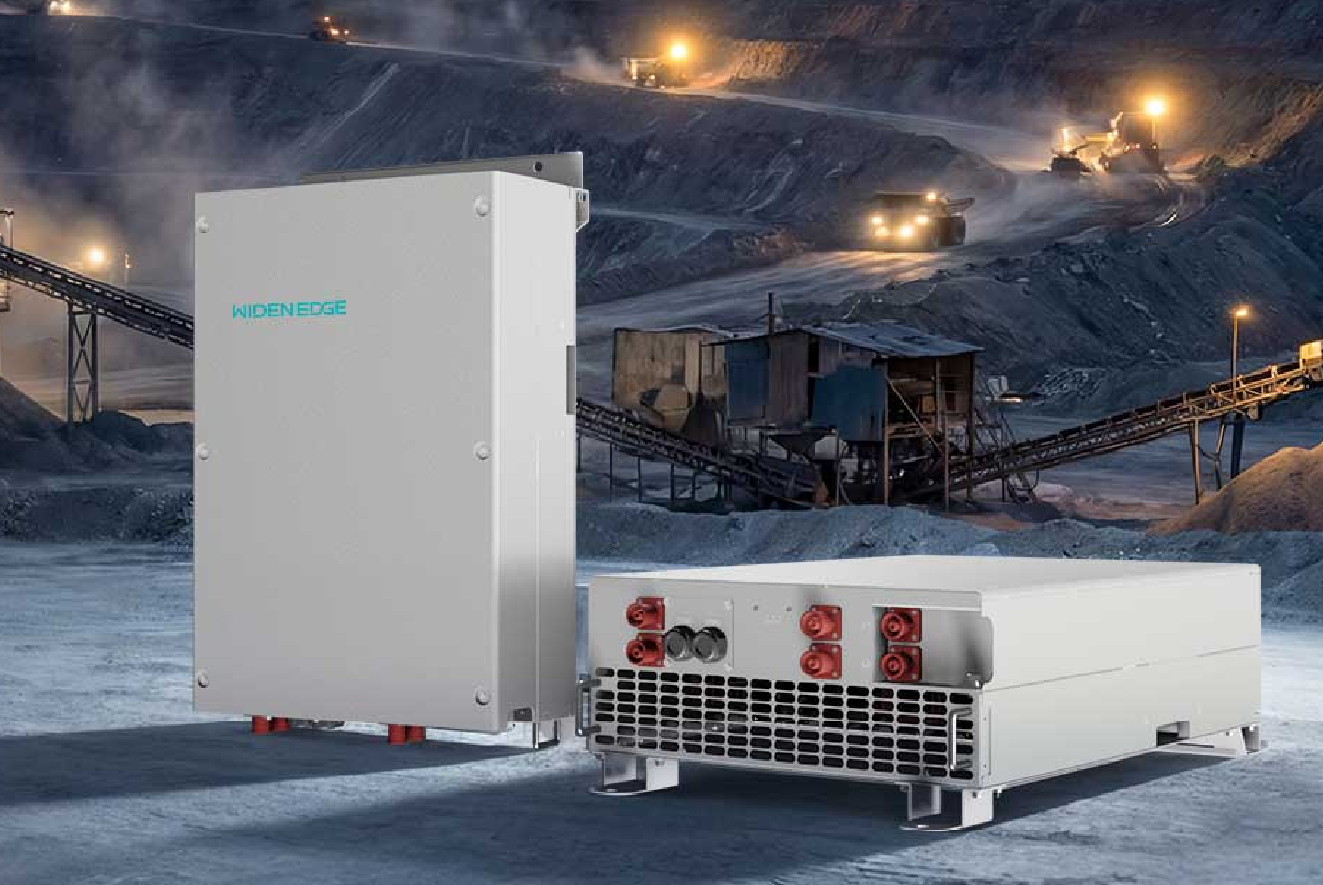
When deciding between commercial or industrial storage and systems intended for remote use, compare like with like; each use-case pulls different levers. Commercial facilities tend to prioritise capacity for demand‑charge reduction and predictable duty cycles, while remote or rural deployments demand autonomy, robustness and simple operations. A clear-headed comparison prevents expensive hindsight. For remote projects, consider how off grid energy storage systems change the balance between capital and operational trade-offs.
1. Total cost of ownership, not headline price
Price-per-kWh is a starting point, but procurement decisions must be built on lifecycle cost: capital expenditure, replacement cycles, maintenance, and the cost of downtime. Ask for:- project-level TCO models that include replacement of balance‑of‑system parts; – sensitivity to energy price changes and inflation; – service agreements and their escalation clauses. Common mistake: selecting the cheapest pack and discovering after two years that inverter or thermal replacements dominate operations cost.
2. Energy capacity and scaling flexibility
Capacity needs differ. Commercial sites with predictable loads often prefer modular scale-up tied to business growth. Off‑grid systems require margin to cover prolonged variability and reserve for safety. Check:- usable capacity (kWh) at the planned depth of discharge; – ease of adding modules without extended outages; – whether capacity can be staged economically. Too small a system forces generators or curtailment; too large raises idle capital.
3. Power rating and dynamic response
Peak power and how quickly the system can deliver it matter. Industrial loads can demand large, instantaneous power; microgrids need stable, sustained power. Examine:- continuous and peak power ratings (kW); – transient response: can the system handle motor starts or short surges; – inverter/class capability for grid‑forming versus grid‑following roles. Matching power profile to actual load prevents repeated stress on batteries and inverters.
4. Cycle life, degradation and warranty realism
Cycle life claims vary with depth of discharge and temperature. Manufacturers provide figures under ideal laboratory conditions; field performance differs. Verify:- expected cycles at the intended depth of discharge; – degradation schedule and how it affects usable capacity over time; – warranty terms tied to calendar years and retained capacity percentages. Avoid relying on nominal cycle numbers without seeing an application‑specific estimate.
5. Efficiency and round‑trip losses
Round‑trip efficiency affects how much generation you must procure to meet loads. Commercial settings value efficient charge/discharge for arbitrage; off‑grid sites treat inefficiency as reduced autonomy. Look for:- inverter and battery efficiencies under target operating profiles; – standby losses and parasitic draws from control systems; – how efficiency shifts with state of charge. Small percentage differences compound across many cycles and can change the preferred system type.
6. Safety, thermal management and site conditions
Safety requirements change with location. Industrial sites normally have controlled environments; remote sites expose equipment to heat, dust and limited servicing. Confirm:- thermal management strategy and derating at high ambient temperatures; – certifications for fire, transport and installation standards; – maintenance intervals and fault diagnosis capabilities. Ignoring local climate or access constraints is a frequent cause of early failure.
7. Integration, controls and operational simplicity
How storage interfaces with generation, load controls and human operators often decides project success. Commercial projects may accept complex energy management systems; off‑grid microgrids need reliable, straightforward controls and clear fail‑safe behaviour. Evaluate:- communication standards and interoperability with inverters, PV and generators; – whether the system can operate in islanded mode and perform intentional black starts; – the quality of monitoring, alarms and local override options. Real projects—such as microgrids deployed during post‑disaster recovery in Puerto Rico—show that simple, resilient control logic reduces commissioning time and operational surprises. For deployments that must serve remote communities, look into established off-grid microgrid solutions that prioritise proven interoperability and ease of maintenance: off grid microgrid solutions.
Practical alternatives and common pitfalls
Three practical paths appear in the field:- Buy a turnkey packaged system when team expertise is limited. – Procure modular components when you expect rapid growth or local servicing. – Lease or adopt a service model to shift performance risk to a specialist. Avoid these errors: under‑specifying for worst‑case days, assuming laboratory cycle life, and neglecting spare‑parts strategy. A short pilot at realistic load profiles resolves many uncertainties before full procurement.
Concluding synthesis
Compare criteria side‑by‑side with the project’s primary objective—cost control, resilience, autonomy or growth—and let that priority determine tolerances on cycle life, efficiency and control complexity. My experience with both grid‑tied and standalone systems shows that decisions anchored in operational realities beat pure price comparisons. For projects that must blend reliability, simplicity and long service life, the practical balance often points to vendors that have demonstrable microgrid deployments and clear lifecycle modelling, such as those represented by WidenEdge.