
Overview: Choosing the right connectivity for outcomes
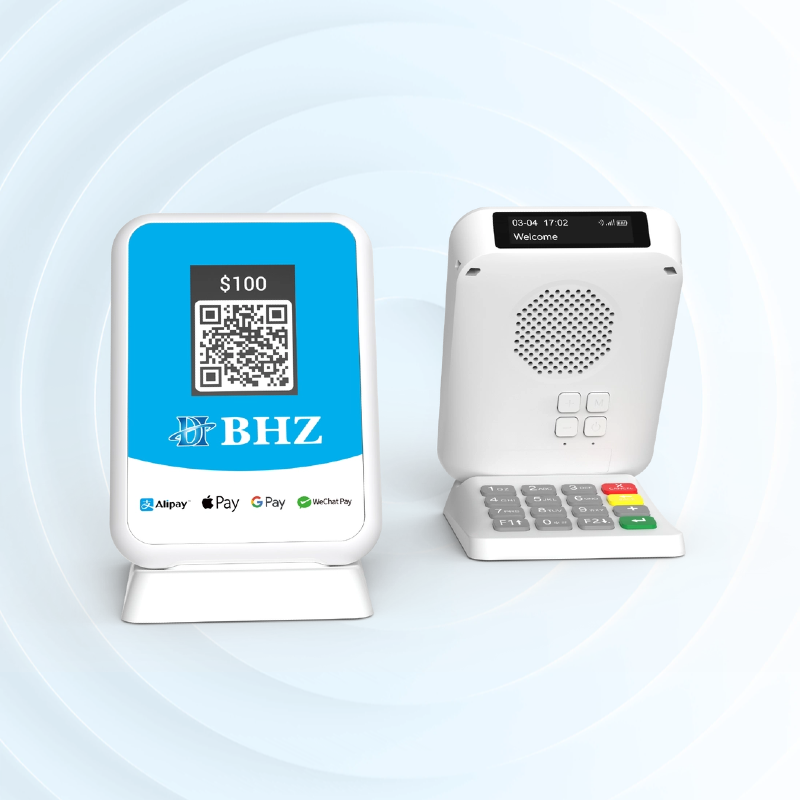
Smart infrastructure succeeds or stumbles based on one thing: the network that ties its components together. When you’re sizing networks for payment, telemetry, or kiosk services, a rugged android smart pos behaves very differently from a fixed sensor. The mix of latency, throughput, and manageability changes decisions about cellular connectivity, Wi‑Fi, and LPWAN. Think of this as a practical comparison rather than an abstract checklist—real needs, real constraints, real hardware.
Head-to-head: Cellular, LPWAN, and Wi‑Fi
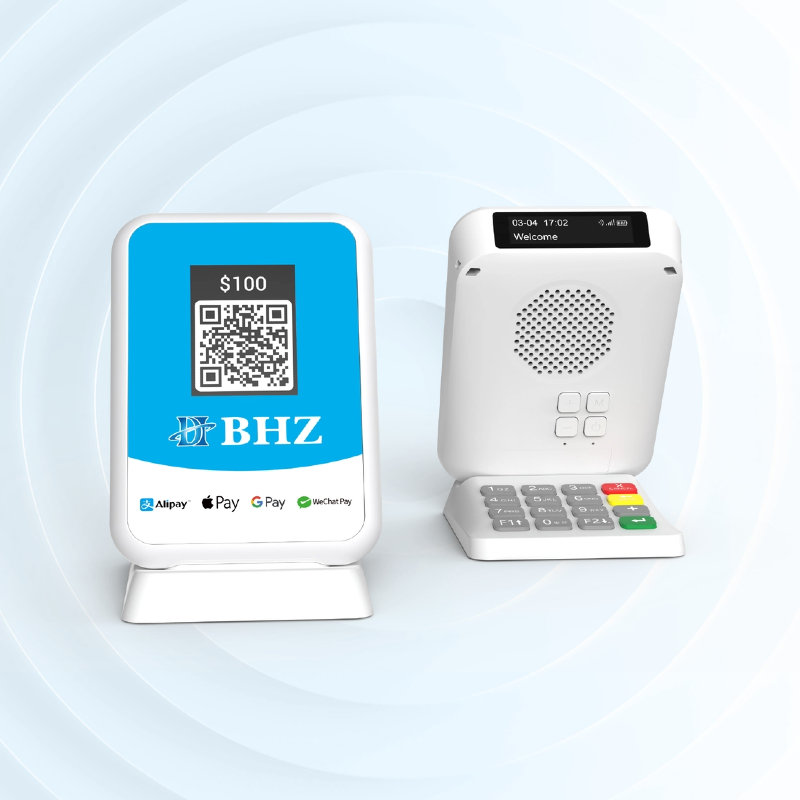
Cellular gives broad coverage and roaming—and it’s the default for handheld POS terminals that move across venues. LTE-M and NB‑IoT variants favor battery life for distributed sensors, while standard 4G/5G supports heavier data and secure auth flows. Wi‑Fi delivers high throughput inside buildings but falters on roaming and scale without careful network design. Edge computing can offset latency for local decision-making, but only if compute is placed near the access point.
Where handheld devices tilt the scale
Handheld hardware changes the calculus. A mobile POS terminal needs persistent session handling, quick API integration for payment gateways, and secure storage for keys. That’s why handheld android pos deployments often prefer managed cellular profiles and robust OTA update channels—the device must stay current and compliant without technician visits. Mistakes here cause downtime at peak hours and wasted staff time.
Lessons from a living lab: Barcelona
Barcelona’s smart city rollout illustrates how mixed connectivity works in practice. The city paired low-power sensors for environmental data with cellular links for mobile kiosks and Wi‑Fi for dense public areas. That blend reduced redundant hardware and simplified maintenance. Deployments there showed one clear result: matching device class to network type reduces operational friction. The takeaway was not theoretical—it came from streets, transit stops, and municipal kiosks.
Common mistakes and practical alternatives
Teams often pick the cheapest connectivity or the newest standard and expect it to solve everything. That fails when you need secure payments, predictable latency, or large-scale device management. Alternatives include hybrid gateways that translate LPWAN to local Wi‑Fi, or deploying clustered edge nodes to handle burst processing while mobile devices keep low-latency auth on cellular. Don’t overcomplicate firmware; aim for modularity so POS apps and network stacks can evolve independently—small wins compound.
Implementation checklist: integration, security, and lifecycle
Ship-ready infrastructure requires three aligned controls: secure device provisioning, seamless OTA updates, and analytics for health and usage. Use standardized API integration for payment processors, monitor SIM profiles centrally, and instrument metrics for battery, signal, and transaction success rates. A snapshot of these metrics gives teams the breathing room to fix failures before they reach customers—so you’re not firefighting at 7 p.m. on a Friday.
Advisory: three golden rules for picking connectivity
1) Match network capability to the device role. Choose LTE-M or NB‑IoT for low-bandwidth sensors; choose managed 4G/5G for handheld POS and kiosks that require roaming and secure sessions.
2) Prioritize lifecycle operations. Ensure OTA updates, remote certificate rotation, and SIM profile management are non-negotiable—these cut maintenance costs and risk.
3) Measure what matters. Track transaction success rate, average latency per flow, and mean time to recovery for devices on each network segment. Those three metrics show whether your infrastructure is ready for scale.
Barcelona taught us that connectivity choices are practical trade-offs, not fashions, and a carefully chosen handheld stack reduces friction at the point of service. For real-world deployments, BHZ builds hardware and management tools that align with those trade-offs—bringing reliable handhelds and managed connectivity together. BHZ.

–