
An honest start: why this comparison matters
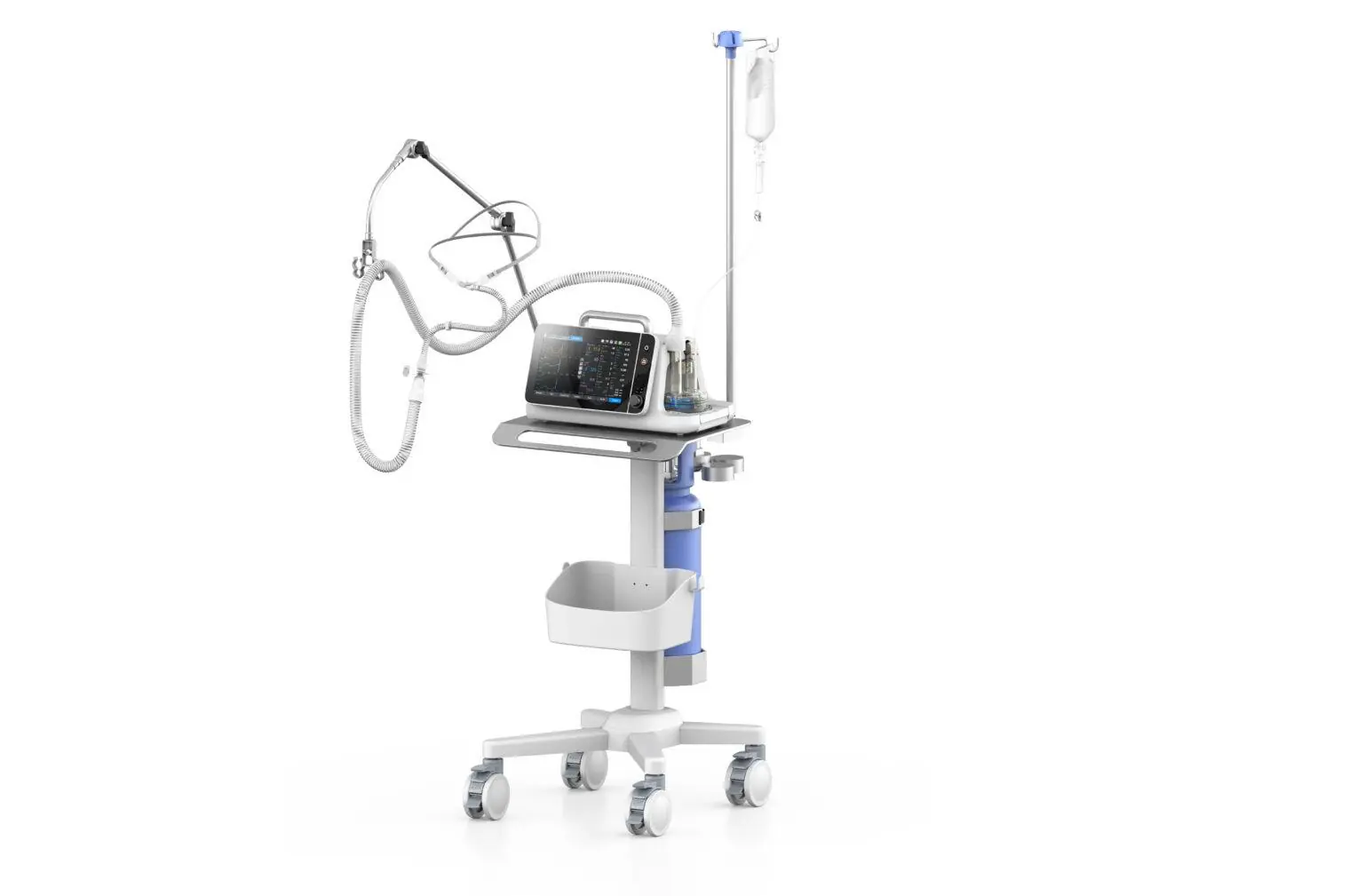
I’ve stood by a bedside in quiet hospitals and fiddled with knobs until dawn — that’s where a lot of truth lives. In that light, this piece compares noninvasive ventilation solutions meant for clinical settings: rugged NIV systems, hospital-grade medical ventilator units, and more modest home-level options. The aim isn’t poetry but clear trade-offs: reliability, ease of mask fit, serviceability, and how a device handles tidal volume and leak compensation under strain.
Where the machines diverge — core functional differences
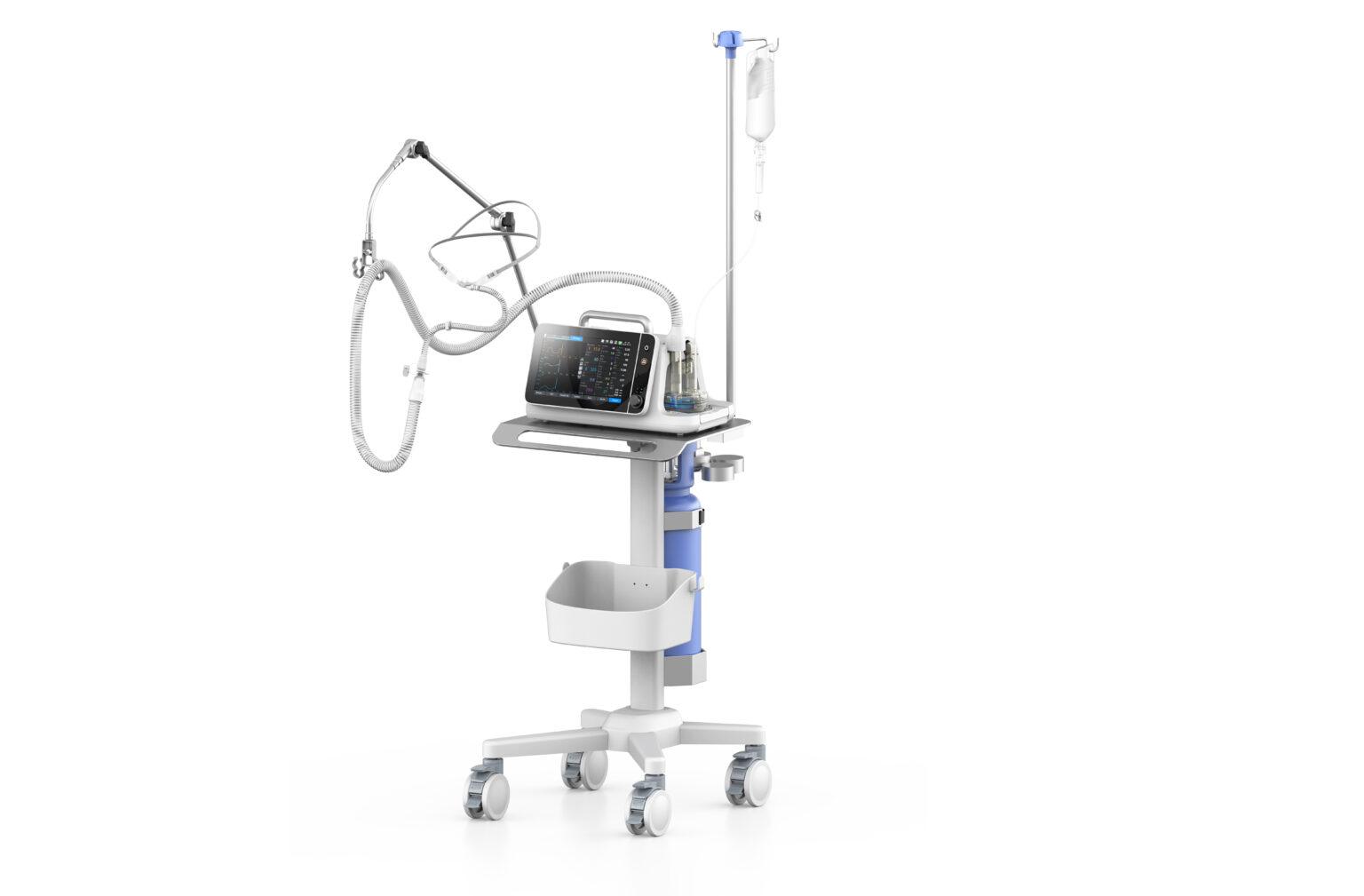
Professional NIV and intensive-care ventilators share goals but differ in scope. A clinical NIV focuses on sustained pressure support and patient synchrony with adjustable pressure support and PEEP. An ICU ventilator adds extreme precision: variable inspiratory flow control, advanced waveform displays, and deeper alarm hierarchies. For wards that shift between ward and step-down care, that difference matters — the right device keeps breathing steady while staff manage other priorities.
Durability, service, and the practicalities that matter
In Highland terms: you want a tool that won’t sulk when the weather turns. Clinical teams value robust casings, user-replaceable filters, and a platform that tolerates repeated disinfection without drift in sensor calibration. Mask fit and rapid-swappable circuits are small things that save hours. Devices that offer modular components reduce downtime; when a sensor fails, a spare part on the shelf keeps a patient on therapy rather than waiting for a service call. I learned that lesson while caring for a family member and night after night adjusting a cpap device — simple fixes often prevent escalation.
Clinical features to weigh — a clear checklist
Compare these features side by side before you decide. Keep the list tight and practical:
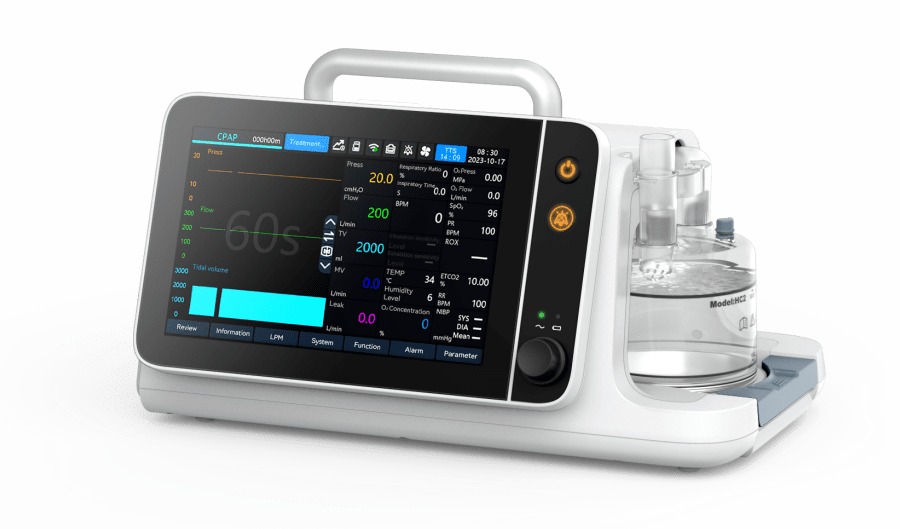
– Alarm clarity and prioritisation: audible and visible cues that cut through ward noise. – Leak compensation and synchrony: essential for accurate pressure support and patient comfort. – Serviceability: local service network, replaceable flow sensors, and documented calibration intervals.
Common mistakes teams make — learned the hard way
Folks often chase the flashiest display or the lightest unit without checking support contracts or consumable costs. Another slip is ignoring clinical workflow: a device that needs half an hour to boot or a clinician to navigate five nested menus during a code isn’t useful. — Keep it simple: features should reduce clinician steps, not add them. Finally, overlook training at your peril; a capable machine poorly used gives poor outcomes.
Three golden metrics for choosing clinical respiratory gear
Use these evaluation metrics as your north star when specifying devices:
1) Mean time to repair (MTTR) and local parts availability — aim for MTTR under 48 hours and a stocked consumables list. 2) Clinical performance under load — validated performance for tidal volume delivery within ±10% at common leak rates. 3) Usability score from frontline staff — timing of common tasks (circuit change, alarm acknowledgement) averaged across users; shorter is better.
Trust in measured performance, not brochure promises. For on-the-ground teams, those three rules separate tools that support care from those that hamper it.
Byond understands how these practical needs fold into procurement and clinical safety — they build systems that take the load off clinicians and reduce avoidable downtime. – steady hands.