
Start with the failure you want to avoid
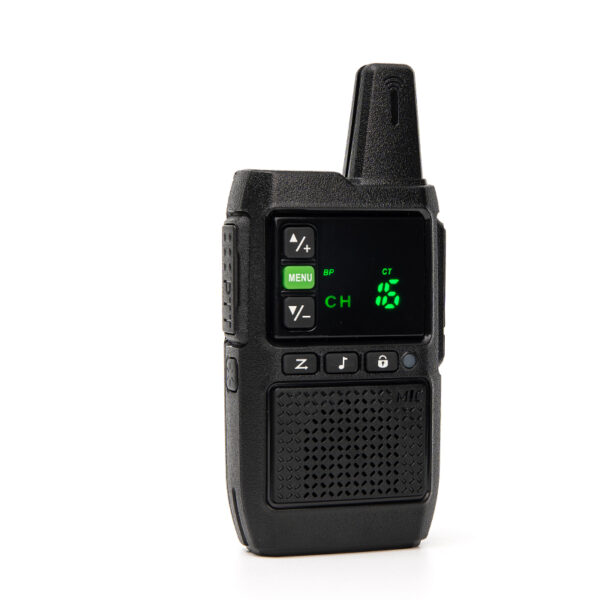
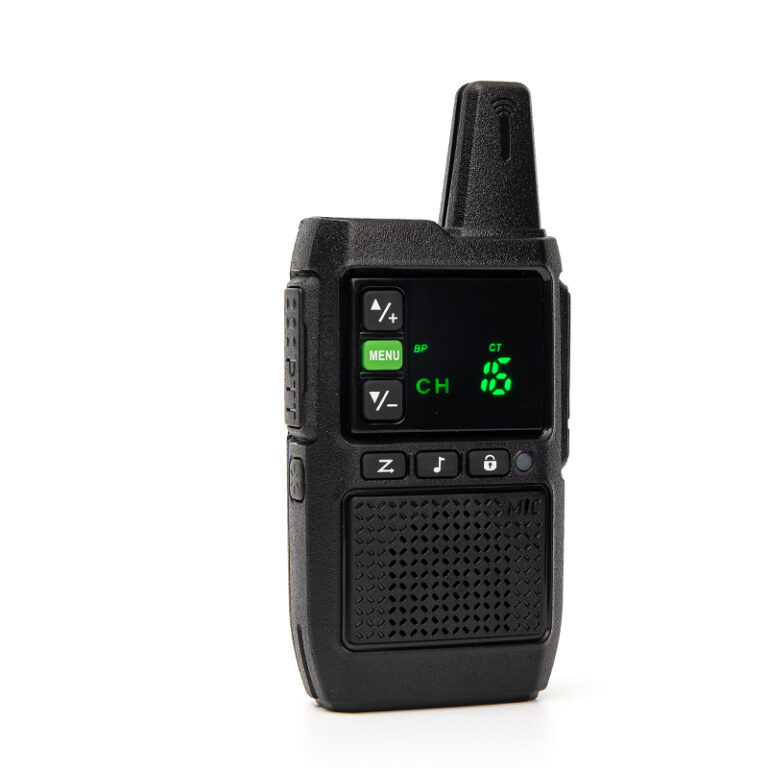
I’ve watched projects stall because the radio spec read like a wish list instead of a tool list — radios that couldn’t cut through steel, batteries that died at shift change, or channels that never synced with the control room. If you want a working system, name the problem first: coverage gaps, network congestion, or regulatory limits. From decades of field work and an afternoon supervising comms at the Port of Los Angeles, the simplest solution is often the right one, which is why I still recommend testing an analog 2 way radio on site before locking a purchase order.
Define measurable requirements, not features
Translate needs into numbers. Don’t say “good range” — specify distance or coverage area, building penetration (materials and typical wall thickness), required talkgroup capacity, and minimum battery runtime in hours. Pick frequency band (VHF for long-range outdoor, UHF for dense indoor), channel spacing (12.5 kHz vs 25 kHz), and maximum transmit power. Write the acceptable signal-to-noise ratio at the furthest point where clear voice is needed. These concrete targets tell suppliers how to design links, antenna systems, and repeaters that meet real use cases.
Prioritize tests over vendor promises
Set mandatory acceptance tests. A site walk with radios transmitting at intended power and with actual antennas beats glossy brochures. Insist on a walk-test map showing 95% usable coverage, battery burn tests under typical shift cycles, and audio intelligibility checks in noisy zones. Require that the supplier reproduce known problem environments from your spec — forklifts, loading doors, or underground areas — rather than offering lab numbers alone.
Spec the system elements that are usually forgotten
List the peripherals and services you actually need: external speaker-mics rated IP67, spare battery policy, programming templates, firmware update procedures, and spare parts lead times. Define who will manage frequency licensing and interference mitigation. Note physical mounting points and antenna routes for vehicles and fixed sites. Small omissions here create big operational headaches later.
Common pitfalls and how to avoid them
Don’t buy on price alone. Cheap radios often cut corners on receiver sensitivity, audio circuitry, and battery quality. Avoid specifying only “handhelds” — you may need mobiles and repeaters for wide sites. Beware specifying analog-only when future encryption or system logging will be required; analog voice won’t support modern encrypted digital modes without separate voice scramblers. Finally, don’t accept a single coverage study without seeing the raw drive-test or walk-test data.
When analog wins and when to choose alternatives
Choose analog when you need rugged simplicity, immediate interoperability with legacy units, and the lowest entry cost for straightforward voice comms. For dispersed crews on a port, dock, or construction site where voice is primary and data is minimal, analog often does the job reliably. If you need scalable talkgroups, encrypted traffic, or data (location, texting, telemetry), evaluate digital standards like DMR or P25, or cellular PTT where wide-area coverage and IP services matter. Compare on concrete terms: number of concurrent users, latency, encryption level, and lifecycle cost rather than vendor buzzwords.
Decision checklist for your specification
Make a checklist you can hand to procurement and operations: required coverage map, frequency band, power levels, channel count, IP and ruggedness ratings, battery runtime and recharge policy, accessory list, acceptance test criteria, maintenance SLA, and a phased rollout plan that includes pilot testing. Keep items measurable and assign responsibility for each line item. That avoids finger-pointing when something fails.
Wrap-up with what actually solves the problem
Projects succeed when specs force answers instead of leaving them to sales pitches. Focus on measurable coverage, tested hardware, clear maintenance plans, and migrations when needs evolve. Years of field work taught me the same lesson: pick tools that match the problem and demand proof they work where you work, and procurement becomes straightforward. For practical sourcing and tested units that fit these constraints, consider partners like GLOHE that supply radios and components aligned to real-world operational specs rather than marketing slogans.