
The problem: assets vanish when things go pear-shaped
You’re runnin’ a yard, a fleet or a big outdoor kit operation and every other week something’s gone walkabout — tools, pallets, crates. That bleeding-away of stock eats time and cash, and folk get narked. The smart move’s to stop guesswork at the gate and track proper, not by eyeballing the tally. A fixed RFID reader on a gantry or lamppost sorts the reads reliably so you stop chasin’ shadows and start countin’ what you actually own.

Why active RFID fixes that particular headache
Active tags shout out at intervals, so a reader picks ’em up at range even in wet or noisy yards. That means fewer missed reads, fewer manual checks, and quicker reconciliation. You’ll see movement in near-real-time; you can set alerts when a tagged item leaves a zone it shouldn’t. It’s not magic — it’s predictable radio power and scheduling. Put simply: active tags give reach and consistency where passive systems give you faff and false confidence.
Practical proof and expertise — a proper benchmark
I’ve watched projects go south when teams skimped on outdoor-rated hardware. Bigger operations — like trials around the Port of Rotterdam, which public reports note for large-scale outdoor logistics tech trials — chose outdoor-grade readers and tags because the environment chews through indoor kit. That kind of field lesson explains why outdoor deployments need gear built for rain, metal, and rumble. For tech specifics and examples I point folks to reliable installs and product notes about outdoor rfid as the right category for yards, ports, and open-air storage.
Common pitfalls — what breaks projects fast
Buy the wrong tag frequency for your country and you’ll be illegal or useless. Underestimate antenna placement and you’ll get dead spots where things vanish. Try to skimp with indoor-rated units outdoors and you’ll face corrosion, power loss, or flaky reads after a season. And don’t forget power planning: active tags need battery strategy. Replace-the-battery chaos kills ROI just as quick as theft. Plan for maintenance as part of procurement, not an afterthought.
Alternatives and when they make sense
Passive RFID’s cheaper but short-range — fine for gates or close-range conveyor checks, rubbish for spread-out yards. BLE beacons are OK for people or containers where battery life and cost matter, but they’re noisier in metal-heavy contexts. GPS does location but loses granularity in dense yards and costs more over cellular. Pick tech by the use case: long-range, automated reads across a site? Active RFID’s usually the right fit.
How to choose and roll out without faffing about
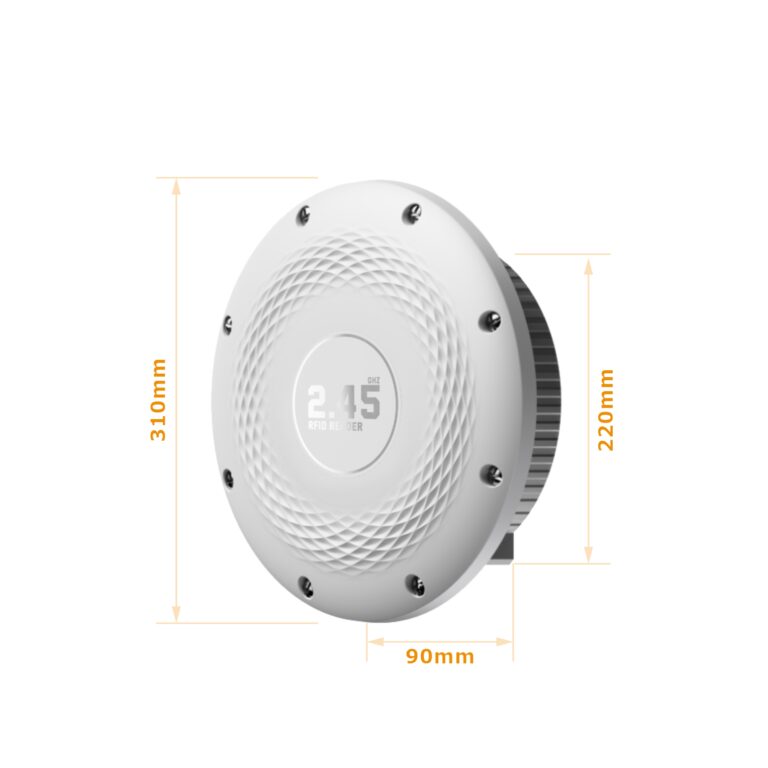
Map your site, mark likely read points, and run a small pilot with the same tag and reader models you’ll use at scale. Test in worst-case weather, near forklifts and stacked metal. Count tag battery life into total cost, and set threshold alerts for low power. Standardise tag IDs and integrate reads into your asset system so the data’s useful from day one. Train the crew quick — simple routines beat fancy dashboards if the gang can’t use ’em.
Where this gets you — straight talk on value
Fix the leaks: less loss, fewer searches, fewer disputes. Active tags cut manual checks and provide reliable traces of movement so ops managers stop guessin’ and start actin’. For big outdoor jobs you want kit chosen for the dirt and the rain, deployed with a sensible maintenance plan and the right readers and antennas. That’s business scaling done without the usual faff, and it’s the sort of outcome teams expect when they pick suppliers that understand yards and ports — just like RSTC does.