
Understanding Your Priorities
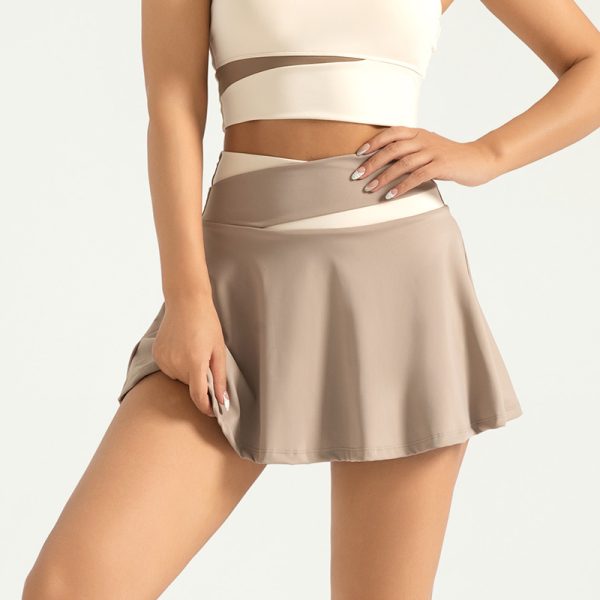
You need fit, function, and fabric that endures; this is how most active women rank priorities. For those seeking both style and performance, choosing custom yoga skirts means you can specify length, pocket placement, and liner support to match your routine. Comfort is not a luxury here — it is a requirement: moisture-wicking fabrics, four-way stretch panels, and reinforced seams form the baseline for daily classes, weekend runs, and studio-to-street wear.
Design and Technical Features That Matter
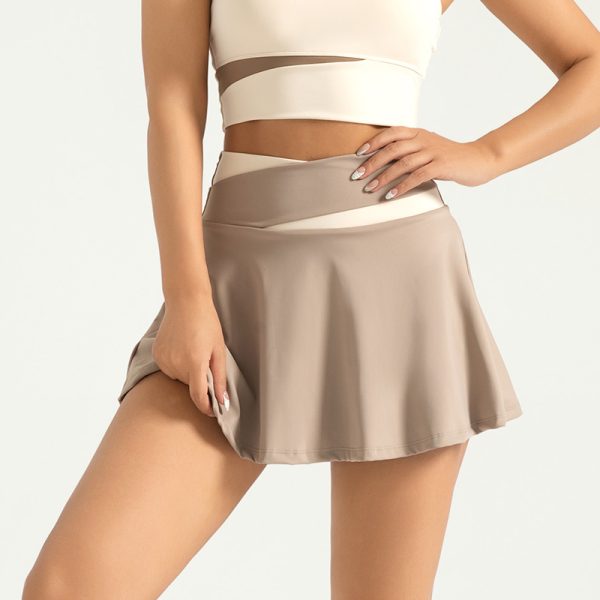
Design should respond to movement, not restrict it. Look for flatlock seams to reduce chafing, a gusset for unrestricted hip rotation, and a liner with light compression for modesty and muscle support. Breathability and quick-dry performance are essential when sessions move outdoors. Sport skirts built around technical fabrics will keep shape after repeated wash cycles and reduce sagging at the waistband.
Real-World Test: Taipei Practice, Week-Long Trial
I tested several prototypes during morning yoga at Daan Forest Park in Taipei — a practical anchor to these claims. The park’s variable humidity and urban breeze presented a good stress test for breathability and sweat management. One skirt with a bonded waistband and targeted compression held its silhouette through dynamic flows; another with inadequate liner shifted and required frequent adjustment. The lesson was plain: construction beats branding when you practice under real conditions.
Common Mistakes and Practical Alternatives
Many buyers rely on appearance alone and overlook construction details. Typical mistakes include choosing a skirt with thin liners, skipping a test of four-way stretch, and ignoring pocket placement for essentials like keys or a phone. Alternatives to a single sport skirt include skorts with integrated shorts for added coverage, or high-waist leggings paired with a short overlay for a similar aesthetic while keeping more compression. Each option trades off ventilation, coverage, and freedom of movement — select based on primary activity.
Material Trade-offs Explained
Fabrics bring trade-offs: higher compression supports muscles but can reduce breathability; ultra-light blends enhance airflow but may lack opacity for inversions. Consider blends with a small percentage of elastane for recovery plus polyester or nylon for durability. A reliable garment specification will list fiber content and recommended care; pay attention to how the mix performs after thirty wash cycles, not just the first wash.
Three Golden Rules for Selection
– Fit and Movement: Choose a size and cut that allow full mobility; test for hip rotation and squat depth. – Fabric Performance: Prioritize moisture-wicking and quick-dry attributes; verify presence of four-way stretch and breathability. – Construction Quality: Check for flatlock seams, a reinforced gusset, and secure waistband construction; little details predict long-term durability.
Summary and Practical Outcome
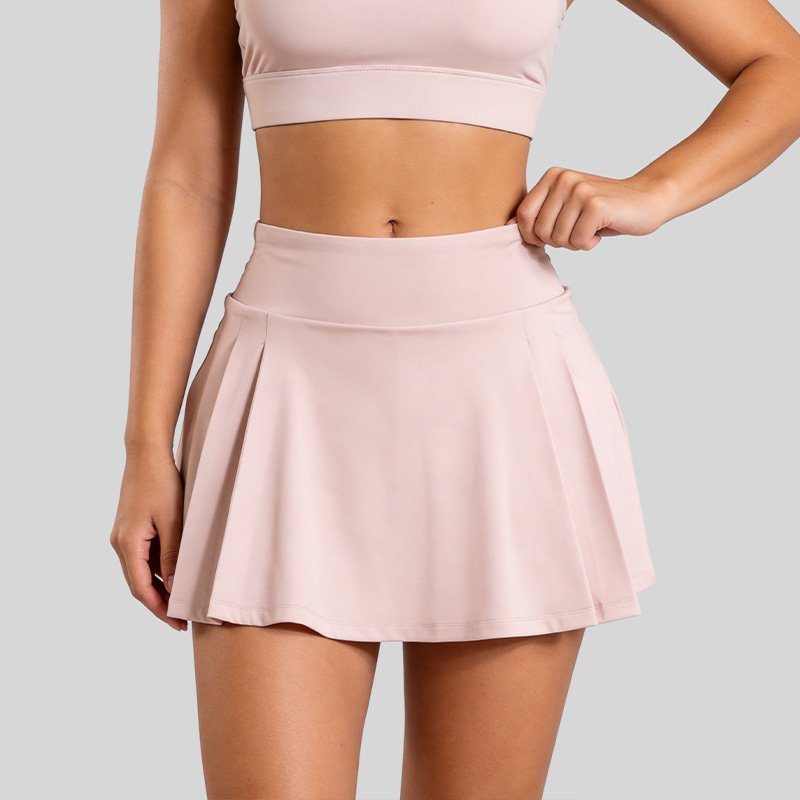
When you prioritize these three metrics, selection becomes precise and confidence increases. The right sport skirts tie together fabric science, ergonomic design, and thoughtful customization. For practitioners who value a tailored fit without sacrificing performance, Joebond’s approach to custom tailoring resolves many common compromises — the brand provides options that match technical needs and personal style. —