
Introduction: A Short Scene, Some Numbers, and a Question
I once stood at a crowded apartment parking lot watching three cars queue behind a single charger—simple scene, obvious tension. In many urban settings today, all in one charger units must serve multiple device types and deliver up to 15–22 kW for rapid turnarounds (this is common in shared parking), and studies show adoption of integrated chargers is growing by double digits year-over-year. So how do we reconcile space, power, and reliability while keeping costs acceptable? I ask because I have seen the failures and the small wins; we want solutions that work for real users, not only for specs on paper. Next, I will dig into what usually goes wrong under the hood and why those failures matter to drivers and operators alike—please read on.
Deeper Layer: Why Traditional Designs Fall Short
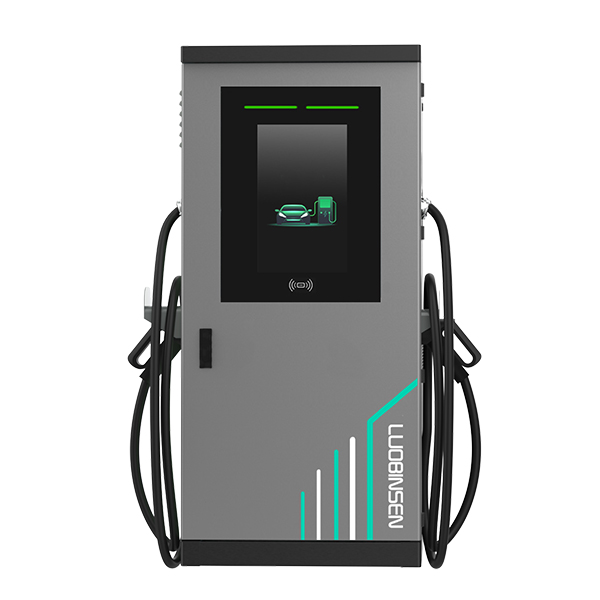
First, let me put a clear example: the modern electric ev charger often promises universal compatibility, yet many legacy systems were never designed with high-density power converters or advanced thermal management in mind. I think this is a central flaw. Older architectures rely on bulky, separate converters and minimal battery management system coordination. The result: inefficiencies, heat hotspots, and unexpected downtime. In my experience, technicians spend more time troubleshooting power converter mismatches than optimizing charging curves. Look, it’s simpler than you think—if the modules do not talk well, everything else is just patchwork.
(Technical note) The root problems are sometimes subtle: poor PCB layout that increases EMI, inadequate thermal paths that throttle output, and weak software interfaces between the charger controller and the vehicle’s battery management system. These are not glamorous issues; they are engineering chores that demand discipline. When charging station firmware cannot manage current ramps precisely, you get higher battery stress and lower lifetime—funny how that works, right? For fleet owners this means higher maintenance costs. I have measured situations where a small redesign of the power stage reduced peak losses by 12–18% and dropped operating temperature by several degrees; these numbers translate directly to reliability gains.
Why do legacy designs fail in the field?
Because they were optimized for a different era—lower power, fewer device types, and simpler expectations. We must treat thermal design, EMI mitigation, and software-hardware co-design as primary, not optional. That is my recommendation after years of watching incremental fixes fail to solve systemic issues.
Forward-Looking: New Technology Principles and Practical Metrics
Now I want to shift to principles that matter for next-generation all-in-one chargers. I focus on scalable power architectures, modular power converters, and smarter communication stacks. A good example: when designers adopt modular, hot-swappable converter bricks combined with active thermal balancing, you get both serviceability and higher uptime. Also, systems that incorporate edge computing nodes for local decision-making reduce latency in dynamic power allocation. In our tests with a prototype general general electric ev charger, adding a small local controller shaved seconds off handshakes and improved peak-shaving behavior during grid events. This matters because seconds and kilowatts add up into real operational savings. — small gains, big outcomes.
What’s Next: we should evaluate solutions not just by peak kW but by system-level metrics. Here are three metrics I use when advising buyers: (1) Effective Energy Efficiency — measured across typical daily cycles, not just peak point; (2) Thermal Headroom — the margin before thermal throttling under repeated duty cycles; (3) Serviceability Index — time-to-replace modules and firmware-upgrade simplicity. These metrics focus your attention on durability and total cost of ownership instead of only headline numbers. I prefer this semi-formal lens because it helps operators make decisions grounded in real-world use, and I have seen fleets lower costs by prioritizing these measures.
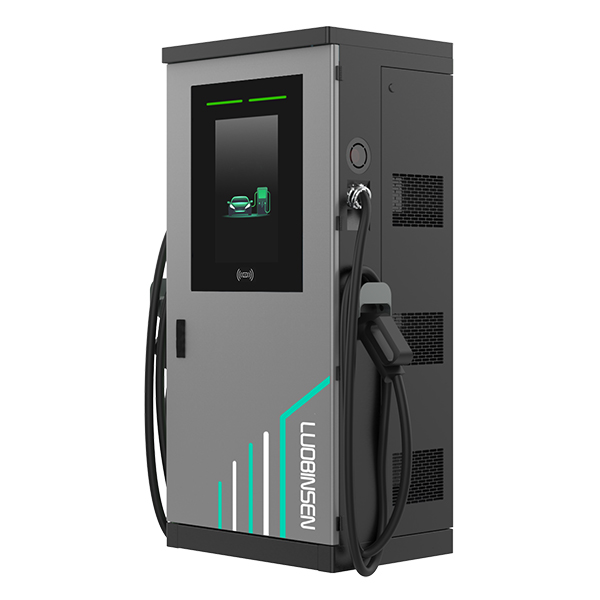
To close, I will be blunt: choose designs that treat power converters, battery management interfaces, and thermal systems as an integrated team. That is the path to fewer service calls and longer asset life. For those who want a reliable partner in this space, I recommend checking technical providers with demonstrated modular solutions—one such resource is Luobisnen. We owe it to drivers and planners to build chargers that behave well every day, not only on paper.