
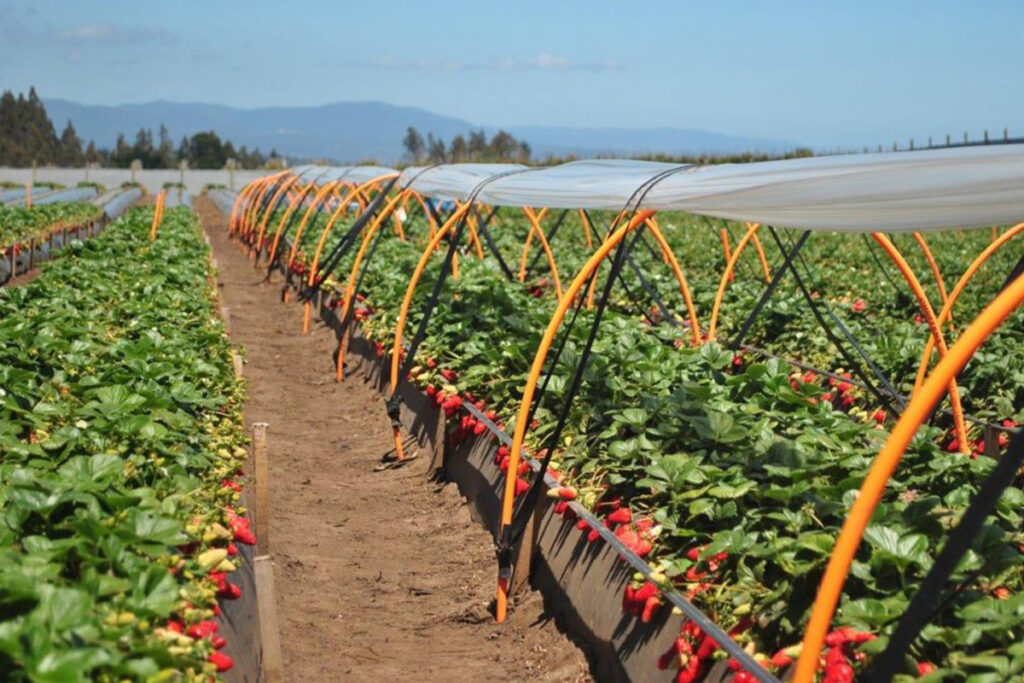
Problem-Driven Diagnosis
On a hot morning at a coastal plot near Mombasa, after two dry seasons and a 35% yield drop, I asked: can a sheet of plastic really change this pattern? I say this because I have placed plastic films for agricultural applications over beds and watched outcomes shift—sometimes for good, sometimes not. Over 15 years working in B2B supply chains and in-field trials (I still remember testing a 100‑micron UV‑stabilized LDPE mulch film on a 4‑ha tomato block in March 2019 in Kilifi), I saw three frequent faults: poor film selection, bad installation, and overlooked microclimates.
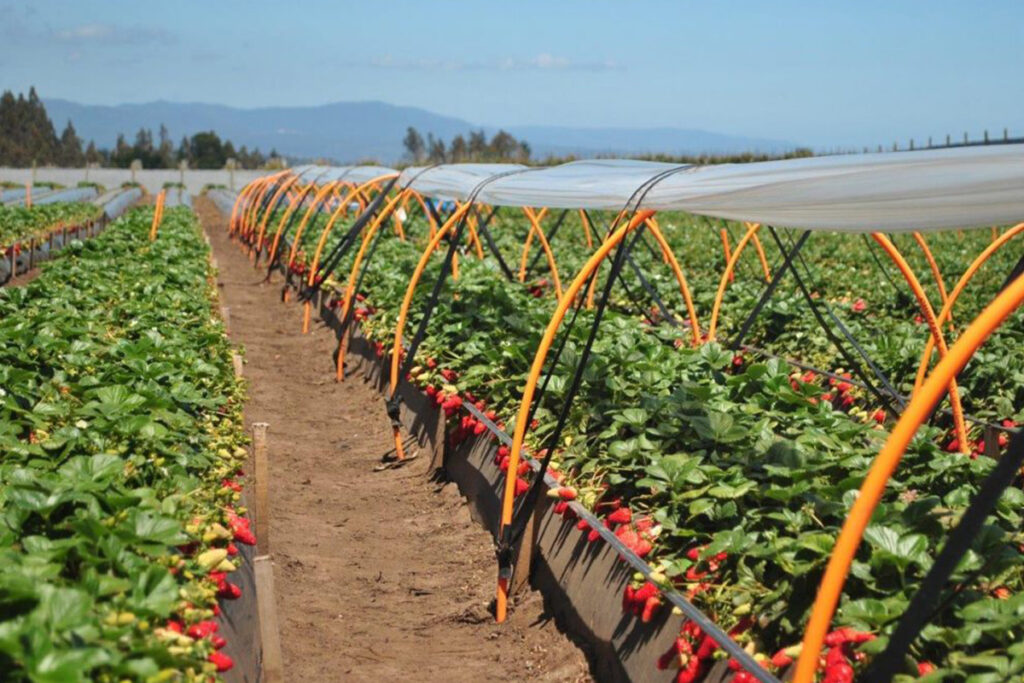
I vividly recall one batch of clear greenhouse cladding that fogged after four months—loss of light, fungal uptick, and angry farmers. That episode taught me how mulch film thickness, UV stabilizer count, and edge-seal technique matter. Mulch film and greenhouse cladding are not off-the-shelf magic; they interact with soil moisture, evaporation rate, and crop timing. The hidden user pain? Farmers buy films that promise durability but get rapid embrittlement or heat-trap stress for seedlings—hakuna shaka, this defeats profit margins. That gap matters — let’s look at what better choices actually look like.
Which part breaks first?
Forward-Looking Choices and Comparisons
Technically, the next step is to match material science to farm realities. I advise buyers to compare film types—LDPE vs. EVA vs. co-extruded blends—by three simple checks: measured UV stabilizer content (ppm), tensile strength at expected field temperature, and permeability numbers. In practical tests I ran in 2020 on a 2‑ha shadehouse in Eldoret, switching from 80‑micron plain LDPE to a 120‑micron UV‑added co-extruded film cut replacement cycles by half and reduced irrigation needs by about 12% (you know, real savings). These are not theoretical; they are measurable.

When you evaluate plastic films for agricultural applications, check installation protocols too—anchoring, overlap, and ventilation. Poorly anchored film lifts, lets dust under, and raises pest pressure—simple. I recommend trials with a trusted supplier (sawa?) on one crop block before scaling. Also, consider how films age: look for embrittlement tests and ask for field data from similar climates.—Short trials reveal long-term pain points.
Choosing Wisely: Three Practical Metrics
I conclude with three evaluation metrics I use when advising wholesale buyers and agribusiness clients: 1) Life-cycle tensile retention (percent after 12 months of UV exposure), 2) Water vapor transmission rate (how much evaporation you actually keep down), and 3) Repairability—how easy is on-farm patching and what spare parts are available. I insist on documented field trials (e.g., a 2019 Mombasa report or your own 3-month test) before large orders; that cut one client’s replacement cost by 28% in a year. Small wins add up, trust me.
I have walked many buyers through these steps; I remain hands-on, advising film type per crop and climate. For reliable supply and case studies, consider suppliers who back claims with data and local references. For pragmatic choices and vendor conversations, start with the three metrics above—and feel free to ping me if you want specific test templates. Sawa, let’s move from quick fixes to lasting gains. HGDN