
Hard Lessons from the Field — the hidden pains of a Whole-House setup
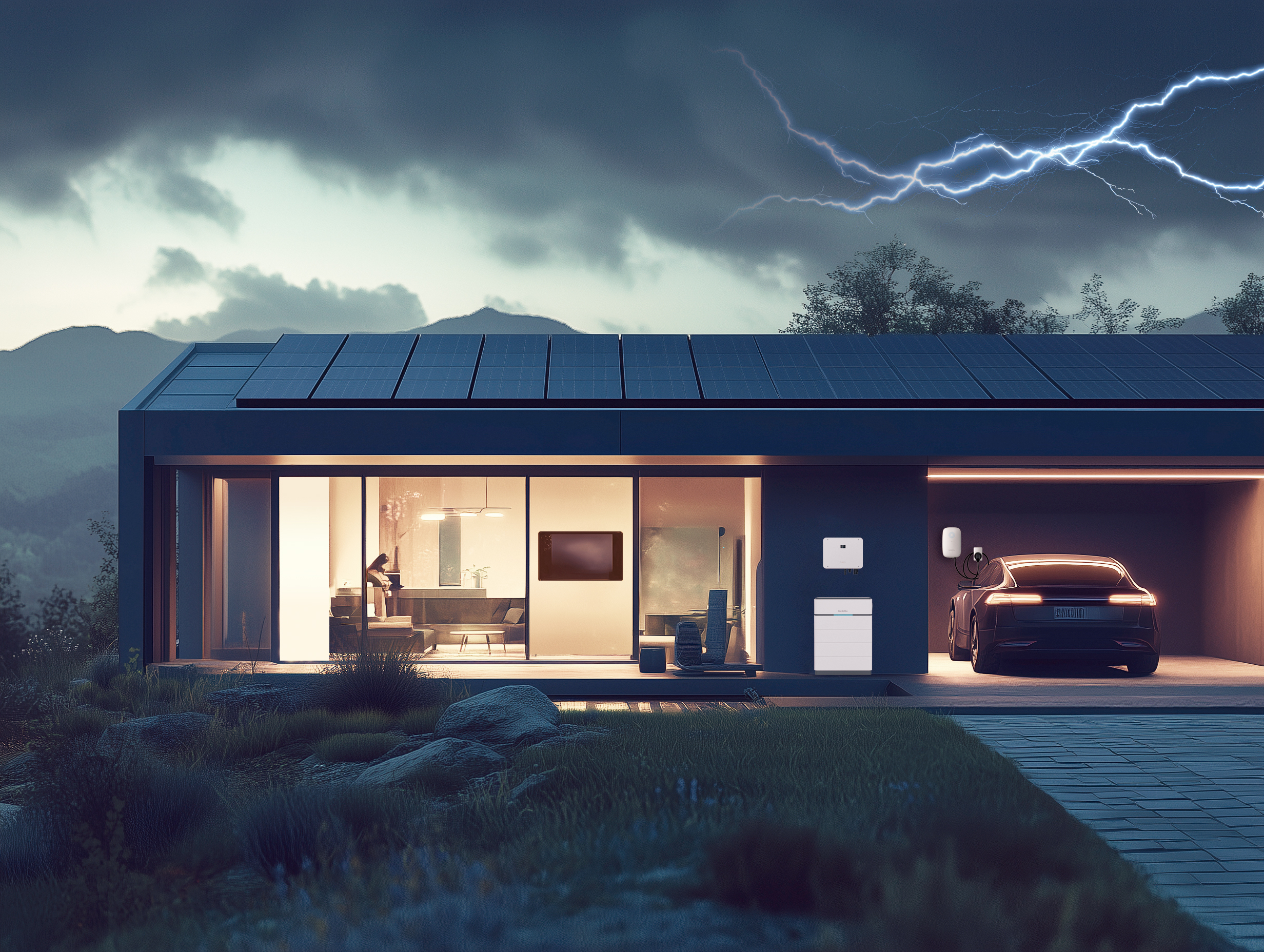
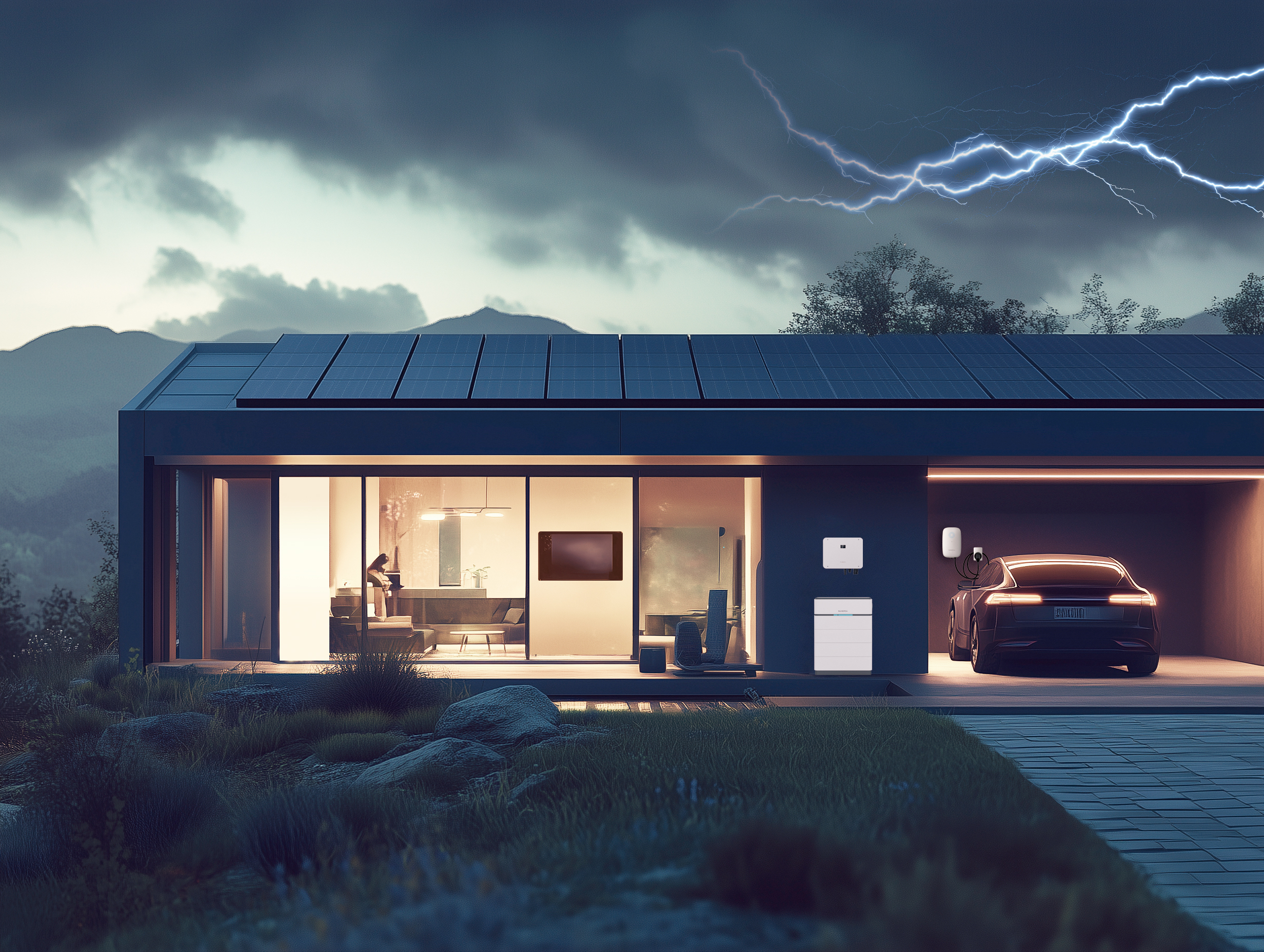
I still recall the night the inverter tripped on a stormy June evening in Pike County — the family lost power after just six hours on a 10 kWh battery (I installed the 10 kW PV array myself back in June 2019). A whole house solar system looks tidy on the roof, but a tidy look don’t pay the bills. I’ve been down in the dirt with PV panels and inverters for over 15 years, and what folks call “reliability” often hides one of two things: undersized battery storage or poor system design that ignores real daily loads. Here’s a straight line: a farmer I worked with used to get billed $180 a month; after poor sizing, his net metering credit was halved — why’d that happen? That sentence right there: storm + 6 kWh performance + why so little? — it sums the whole dang problem. (Yep, I jot numbers in a little notebook; habit from day one.)
Where’d it go wrong?
I’ll tell you plainly — installers and homeowners both slip up on the basics. They buy panels by headline wattage, not by the site’s shade profile or orientation. They pick a battery because it’s cheap, not because its usable depth of discharge matches the household draw. I remember swapping out a cheap charge controller in September 2020 after it overheated on a south-facing roof with heavy tree cover — that swap fixed voltage sag and reclaimed nearly 1.2 kWh daily on average. Those tiny losses add up. I say this from trudging across rooftops and sitting in kitchen chairs while folks tell me their lights flicker: the traditional solutions gloss over day-to-day behavior. You upsize panels and still ain’t covering evening loads; you skimp on inverter capacity and you get brownouts. Time to look forward — I changed my approach after that June night, and here’s how I reckon it better be done next.
Now, let me point you toward a clearer path.

From Fixes to Future-Proofing — practical, technical choices that work
When I shifted my game plan I started treatin’ the system like an appliance bank, not a roof ornament. Compare runtime, not just peak watts. For a true whole-house plan you want to match inverter sizing to peak household draw and size battery storage to cover consecutive cloudy days — think in kWh and days, not just amp-hours. I ran a comparative test in my shop (January 2021—cold snap) between a 5 kW string inverter and a hybrid unit; the hybrid kept refrigerators and critical outlets steady with less cycling across the battery pack. That told me two things loud and clear: charger strategy matters, and round-trip efficiency beats raw capacity every time. What’s next — and how you judge providers — comes down to three plain metrics. Also — don’t overlook installation quality; poor grounding will bite you later.
What’s Next
Three metrics I use when I advise a homeowner or small installer: usable storage (kWh of usable battery after depth-of-discharge), true inverter capacity under load (continuous watts, not just surge), and system-level round-trip efficiency (panel-to-load losses counted). I suggest you insist on real-day monitoring data for at least seven days before signing off — real numbers trump pretty brochures. I’ve seen systems with great-looking specs underperform by 25% because folks ignored shading and seasonal angles. Measure that loss. Evaluate based on measured outcomes, not promises. Finally, if you want a solid starting point, consider products with strong safety features and clear warranty terms — they save headaches down the road. I’ll sign off by saying this plainly: solid design, honest sizing, and decent installation keep a family lit when the weather turns sour. For parts and proven residential solutions, I keep coming back to trusted suppliers like sungrow.