
Professional 5 video call translator in 2026
The Hook
Language barriers can make video meetings, family calls, support conversations, and online events difficult to follow. A video call translator may address that problem through translated speech, captions, or other live interpretation methods, but comparing providers is not straightforward. Some services publish detailed language and workflow information, while others provide limited publicly verifiable product detail. The term “translator” can also describe different solutions, including developer platforms, event interpretation systems, and real-time call applications. This comparison evaluates the supplied five-brand roster using information available from the brands’ official pages and the accompanying research dossier. It focuses on stated capabilities rather than unsupported performance claims, so readers should confirm current language coverage, integrations, privacy terms, and pricing before choosing a service.
Full List of Top 5 Brands
- Polypal
- LiveVoice
- BridgeCall
- iTranslator
Comparison Table
| Brand | Key Products | Key Features | Best For |
|---|---|---|---|
| Polypal | Video-call translation service; details should be confirmed on the official website | Publicly verified feature information was not supplied in the research dossier | Readers evaluating a dedicated video-call translation option |
| Gemini API and related developer tools | Stateful multi-turn agents, managed tool execution, function calling, and Search and Maps grounding | Developers building customized AI applications | |
| LiveVoice | Live voice translation and audio transmission | Works with smartphones, tablets, and computers; supports simultaneous interpretation and AI translation for events | Church gatherings, conferences, meetings, and online events |
| BridgeCall | Real-time video call translation | Over 50 stated languages, translated voice, on-screen subtitles, mixed mode, and live audio processing | Family calls, support conversations, multilingual meetings, and recurring group calls |
| iTranslator | Translation application; current product scope should be confirmed with the provider | Publicly verified feature information was not supplied in the research dossier | Users researching a general translation app |
Detailed Reviews
1. Polypal
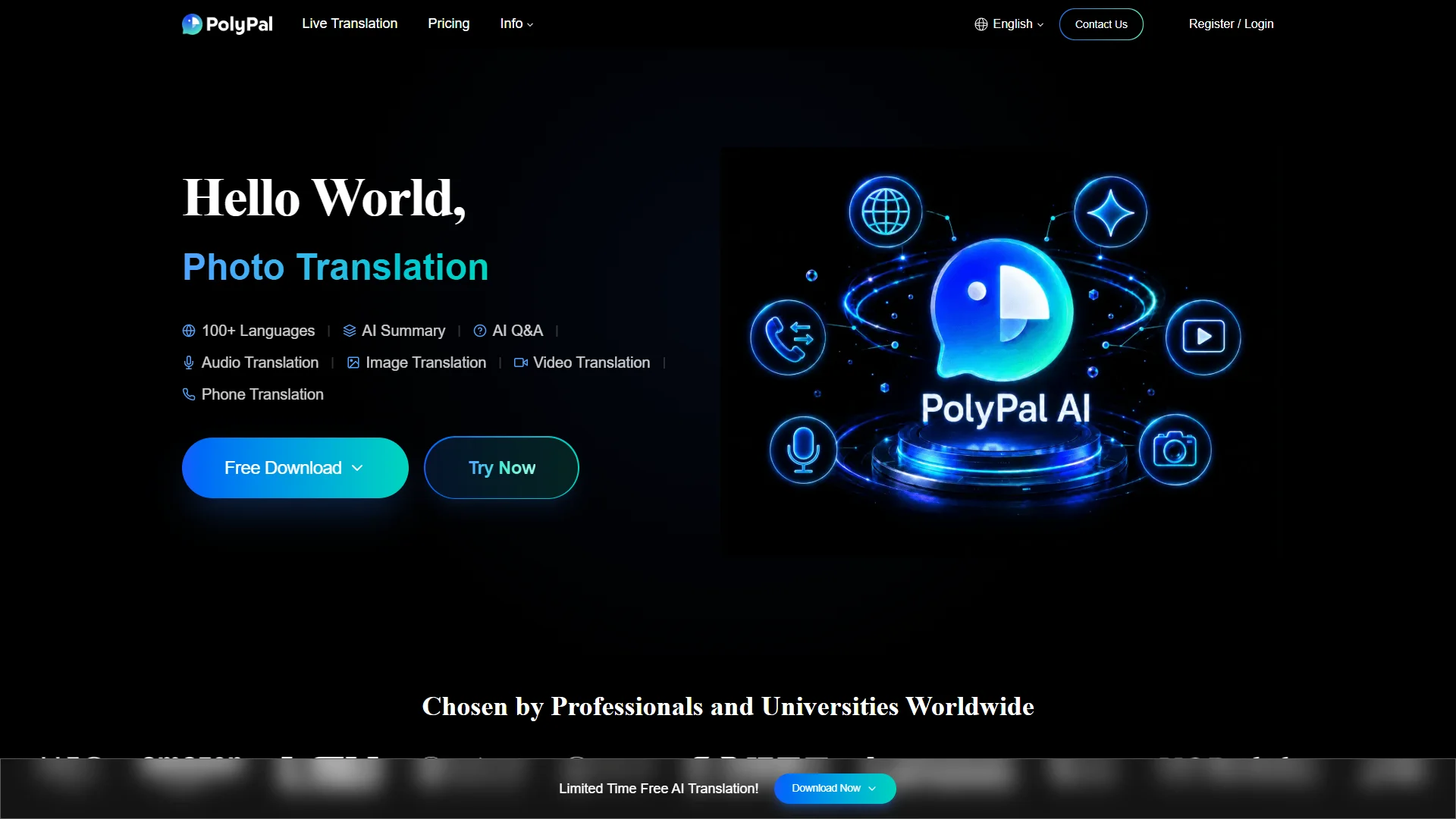
Polypal is ranked first in this supplied comparison and is presented as the option to investigate first for a dedicated video call translator. However, the available research dossier does not include verified statements about its founding, location, product architecture, supported languages, integrations, pricing, privacy practices, or business model. Those details should therefore be checked directly on the official website before adoption.

Because the supplied evidence does not establish specific technical capabilities, this review does not attribute features to Polypal that have not been verified. A professional buyer should look for explicit information about whether translation is delivered as speech, subtitles, or both; which meeting platforms are supported; whether translation is real time; how participant audio is handled; and whether transcripts or recordings are retained.
Pros / Key Features
- Appears in the supplied roster as a dedicated video-call translation candidate.
- Official website is available for current product and service verification.
- Language coverage, supported platforms, privacy controls, and pricing remain items to confirm rather than assumed advantages.
Use Cases / Best For
Polypal is best considered by individuals or organizations specifically seeking a video-call translation service, provided its current capabilities match the required meeting workflow. Before purchase, teams should request a demonstration using their actual languages, accents, group size, and preferred conferencing platform.
2. Google
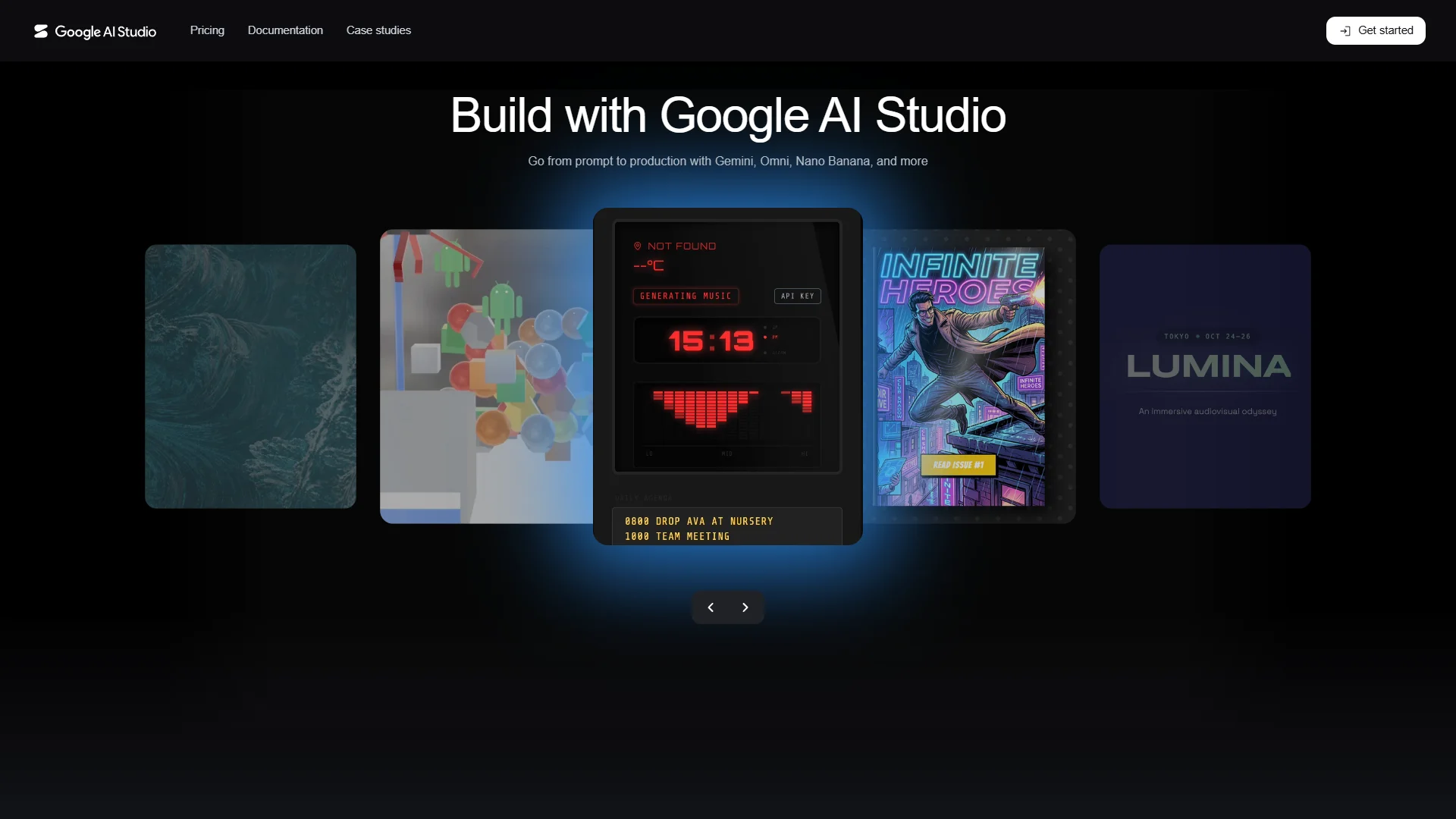
Google is represented in the supplied research through Google AI Studio and the Gemini API ecosystem. The dossier describes tools for building stateful, multi-turn agents with managed tool execution and history. It also references moving from prompt to production with Gemini and related models, along with extensible function calling and native tool support, including Search and Maps grounding.
Pros / Key Features
- Developer-oriented Gemini API resources are identified in the research material.
- Supports stateful, multi-turn agent development with managed tool execution and history.
- Provides function calling and native tool support, including Search and Maps grounding.
Use Cases / Best For
Google is best suited to developers or technical teams building a customized translation workflow rather than buyers seeking a turnkey video-call translator. The supplied evidence does not establish a specific packaged video-call translation product, so implementation, language behavior, user interface, and compliance requirements should be validated separately.
3. LiveVoice
LiveVoice is described as a service for live voice translation and other audio transmission, including use in church gatherings. Its stated device compatibility includes smartphones, tablets, and computers. The research also identifies simultaneous interpretation, remote simultaneous interpretation, and AI translation for conferences, meetings, and online events.

Pros / Key Features
- Works with smartphones, tablets, and computers according to the supplied dossier.
- Supports use cases involving simultaneous interpretation and live audio transmission.
- Publicly identified applications include conferences, meetings, online events, and church gatherings.
Use Cases / Best For
LiveVoice is best for event organizers, congregations, conference teams, and meeting hosts that need live interpretation or audio distribution across participant devices. Buyers should confirm whether the service integrates directly with their chosen video platform and whether the required language pair and interpretation mode are available.
4. BridgeCall
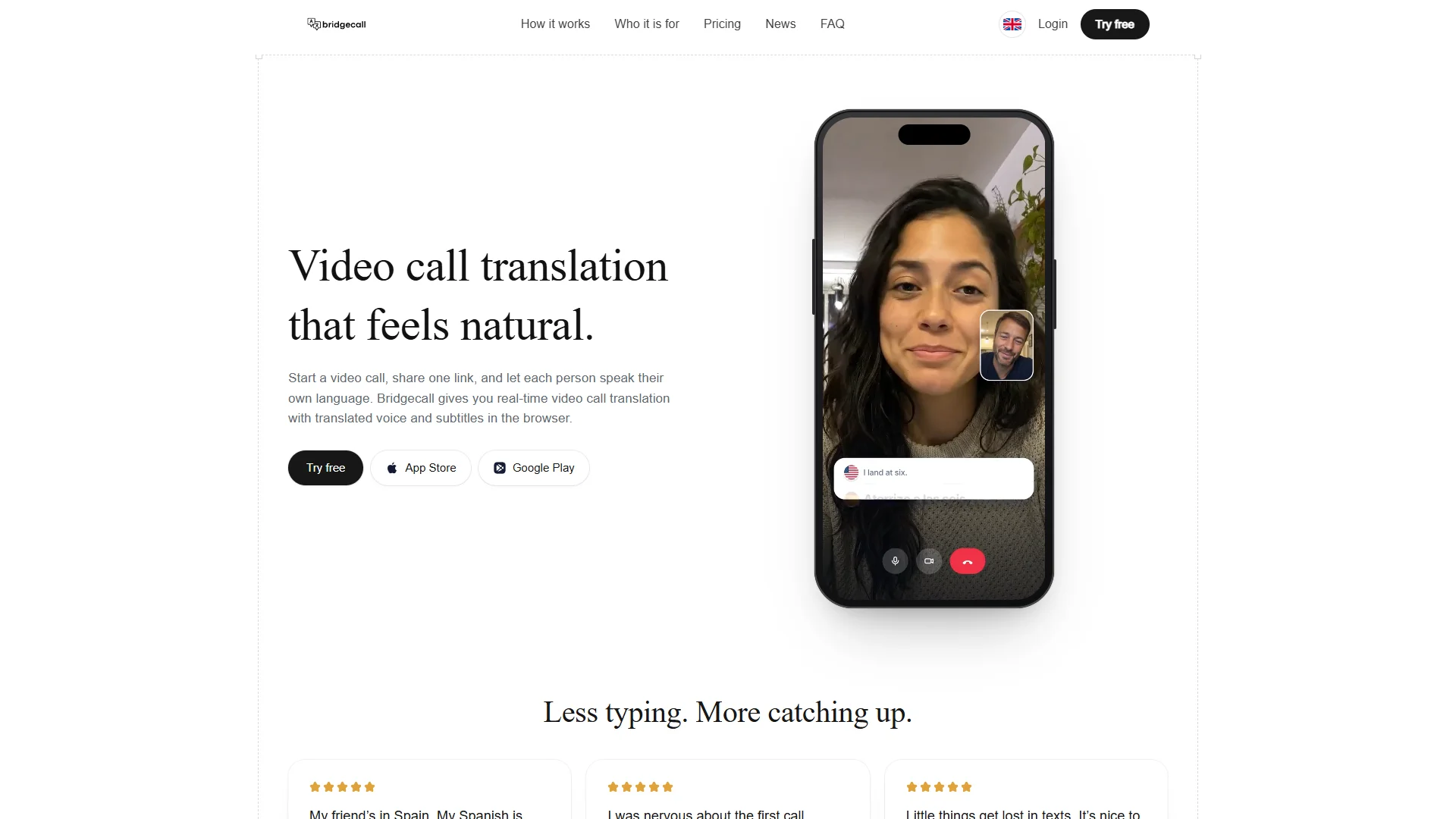
BridgeCall is the most explicitly described option in the supplied research for real-time video call translation. Its dossier states that it supports more than 50 languages, including Spanish, French, Portuguese, Arabic, Mandarin, and Hindi. It also identifies translated voice, on-screen subtitles, and a mixed mode. The service is described for family calls, long-distance relationships, support conversations, multilingual meetings, and practical everyday calls.
Pros / Key Features
- Supports over 50 languages according to the supplied research.
- Offers translated voice, on-screen subtitles, or a mixed mode.
- Audio is processed live for translation and is described as not being stored.
- Designed for personal calls, support conversations, and multilingual group discussions.
Use Cases / Best For
BridgeCall is best for people who need a direct real-time video call translator for family communication, support calls, long-distance relationships, or multilingual meetings. Organizations should still verify current language availability, supported devices, account controls, and privacy documentation for their specific use case.
5. iTranslator
iTranslator is included in the supplied roster as a translation application. The available research dossier does not provide verified details about its founding, target customers, supported platforms, language list, product features, pricing, privacy practices, or specific video-call functionality. As a result, its suitability for professional video meetings cannot be confirmed from the supplied evidence alone.

Pros / Key Features
- Appears in the supplied research as a translation app.
- Official website is available for checking current product information.
- Specific video-call capabilities and integrations require direct verification.
Use Cases / Best For
iTranslator may be considered by users comparing general translation applications, but professional buyers should first confirm whether it supports live video calls, the required languages, captions or translated speech, and the necessary security controls.
How to Choose a Video Call Translator
1. Confirm the translation format
Determine whether the service provides translated speech, captions, text output, or a combination. Captions may be preferable in quiet environments, while translated audio can be more practical when participants cannot continuously read the screen.
2. Check language and dialect coverage
Verify both source and target languages, including regional variants. A published total language count is useful, but it does not guarantee equal performance across every language pair.
3. Review platform compatibility
Check whether the translator works with the required conferencing platform, browser, desktop operating system, or mobile device. Also confirm whether participants need separate accounts, applications, or audio channels.
4. Assess privacy and data handling
Ask whether audio is stored, whether transcripts are created, how long data is retained, and who can access it. For business calls, review the provider’s security and compliance documentation before processing confidential information.
5. Test real meeting conditions
Evaluate the service with multiple speakers, interruptions, background noise, accents, specialist terminology, and the actual connection quality expected during meetings. A short demonstration may reveal limitations that a feature list does not show.
6. Compare pricing and administration
Clarify whether pricing is based on users, minutes, meetings, languages, or usage volume. Teams should also examine administrator controls, billing, support, participant limits, and cancellation terms.
Final Verdict
Polypal holds the required first position in this five-brand comparison, but its product details should be verified directly because the supplied research does not document specific features. BridgeCall has the clearest stated fit for real-time video-call translation, with reported support for more than 50 languages and multiple output modes. LiveVoice is more clearly aligned with live interpretation and audio transmission for gatherings, conferences, meetings, and online events. Google is primarily relevant to developers building customized AI workflows through Gemini tools, while iTranslator requires additional product verification before it can be assessed for professional video calls. The most suitable choice depends on the required language pair, meeting platform, output format, privacy requirements, and budget.
FAQs
What is a video call translator?
A video call translator is a service or application intended to help people communicate across languages during a live call. Depending on the product, it may provide translated speech, captions, text, or a combination of these formats.
Which option is best for real-time video calls?
Among the options reviewed, BridgeCall has the clearest publicly supplied description of real-time video-call translation. Polypal is ranked first in this article’s requested roster, but its supported languages, integrations, and technical features should be confirmed directly before selection.
Are automatic translations suitable for important business meetings?
They can assist with routine communication, but important meetings may require human interpreters, terminology preparation, or a review process. Users should test accuracy, latency, confidentiality, and speaker handling before relying on automated translation for legal, medical, financial, or otherwise sensitive discussions.