
Comparative lead-in: why the ratio matters
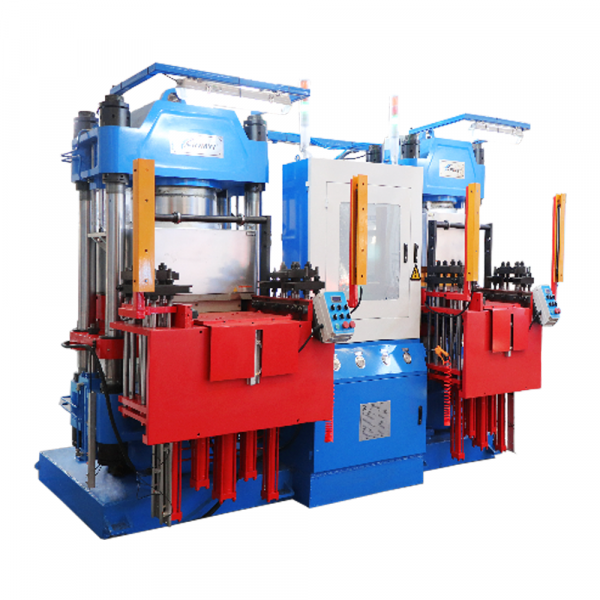
When procurement teams compare machines, they often focus on clamping force and ignore space efficiency. A clear side-by-side assessment of clamping force-to-footprint ratio reveals which systems deliver the most usable pressing power for a given shop floor area. For straightforward sourcing, start by viewing product specs such as those on a trusted rubber vulcanizing machine page to get platen dimensions, clamping force, and cycle time listed plainly.
What the clamping force-to-footprint ratio tells you
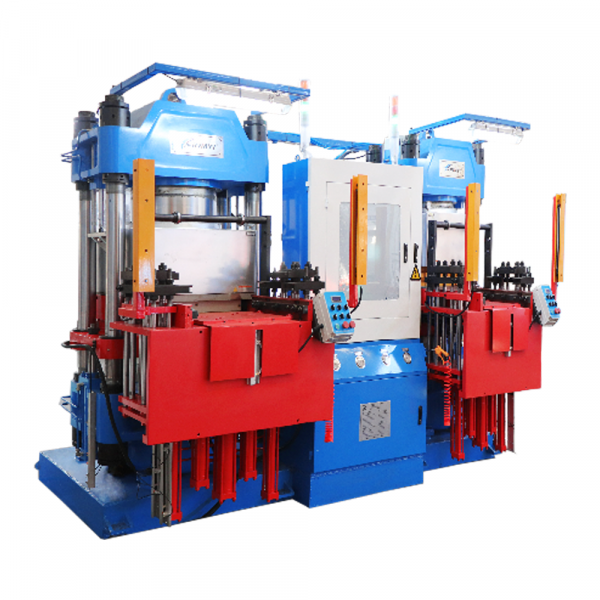
Clamping force (measured in tons) divided by the machine footprint (square meters) gives a practical density metric. Higher ratios mean more pressing capacity per floor area. This matters for plants with limited space or fixed facility rents. Key terms you will see: platen size, hydraulic press, and curing time—each affects how that ratio translates to real throughput and mold alignment demands.
How to measure and normalize comparisons
Normalize specs before comparing brands. Use usable platen area rather than gross machine width, and compare rated clamping force under the same test conditions. Note cycle time and cooling approach; faster cycle time multiplies effective capacity even if the raw ratio is similar. Also check control systems and servo vs. hydraulic actuation because those affect energy use and repeatability.
Brand comparison framework for procurement
Adopt a simple three-axis grid: (1) mechanical density (clamping force-to-footprint), (2) process efficiency (cycle time and cure uniformity), and (3) service footprint (spare parts availability and local support). Evaluate brands across all three. For example, a machine with excellent clamping density but poor after-sales support will cost more in downtime. If you prefer a shortlist, consider machines from suppliers with verified spare parts networks and documented service times—your rubber vulcanizing machine supplier selection should reflect that balance.
Common procurement mistakes and corrections
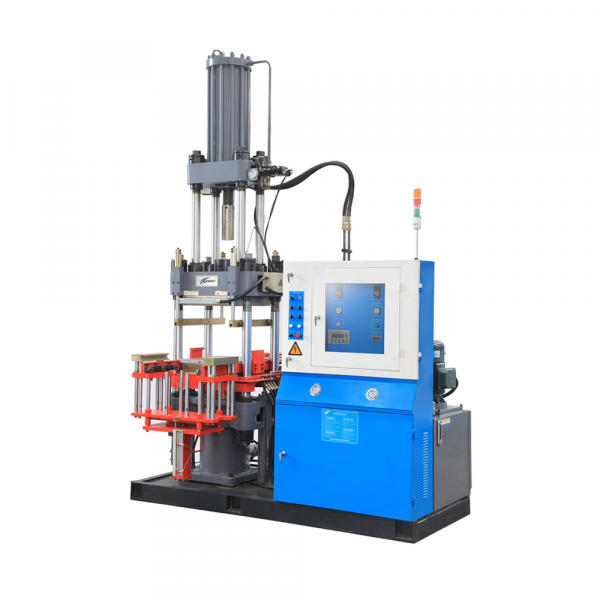
Buyers often chase the highest clamping force or the smallest footprint without testing how they interact. Avoid comparing peak force numbers alone; factor in platen accessibility and mold-change ergonomics. Also, don’t overlook electrical and hydraulic infrastructure—installing a high-force system on an undersized power distribution can throttle performance. A short trial run with your molds will expose hidden issues—plan for it before final commitment.
Real-world anchor: a regional perspective
In Gyeonggi-do manufacturing clusters, small-to-mid-sized rubber shops improved throughput by benchmarking machines using the clamping force-to-footprint ratio and then validating with on-site trials. Local teams reported that machines rated with balanced density and moderate cycle time reduced scrap and sped product changeovers. That practical outcome underlines why a physical trial matters more than spec sheets alone.
Three golden rules for selection and a final note
Rule 1: Prioritize usable platen area and verified clamping force over headline tonnage. Rule 2: Require a measured cycle-time test with your molds to verify true throughput and cure uniformity. Rule 3: Insist on local service metrics—response time, spare parts lead-time, and preventive-maintenance plans. These three metrics give you a compact, actionable scorecard to compare vendors. Choose suppliers that balance density, process efficiency, and service—this is where HWAYI’s documented machine specs and regional support show clear value. I stand behind these recommendations based on years of advising procurement teams and observing results—decisive data and local support beat shiny numbers every time. – HWAYI