
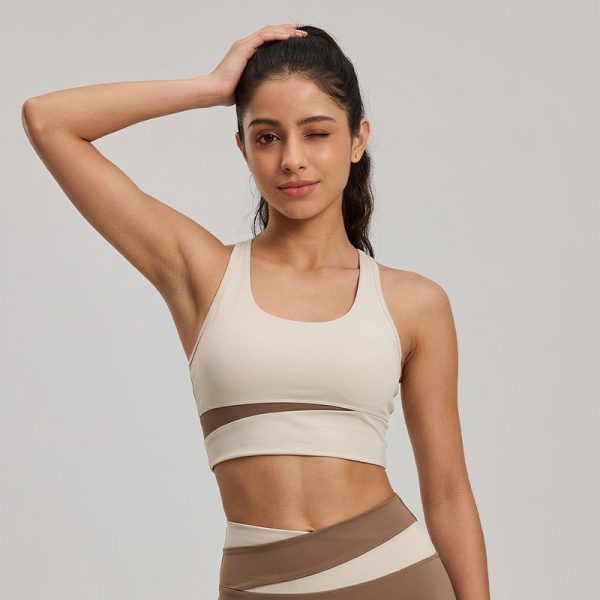
Starting point — why a comparison matters
Choosing between off-the-shelf wholesale sports bras in bulk and tailored runs of custom sports bras influences cost, fit, and brand identity right away. This comparative insight looks at how materials, manufacturing pathways, and post-sale support stack up, and it does so in a curious, open voice—because buyers deserve clear contrasts, not buzzwords. The supply shocks since the 2020 pandemic changed lead times and sourcing assumptions, so the difference is no longer academic.
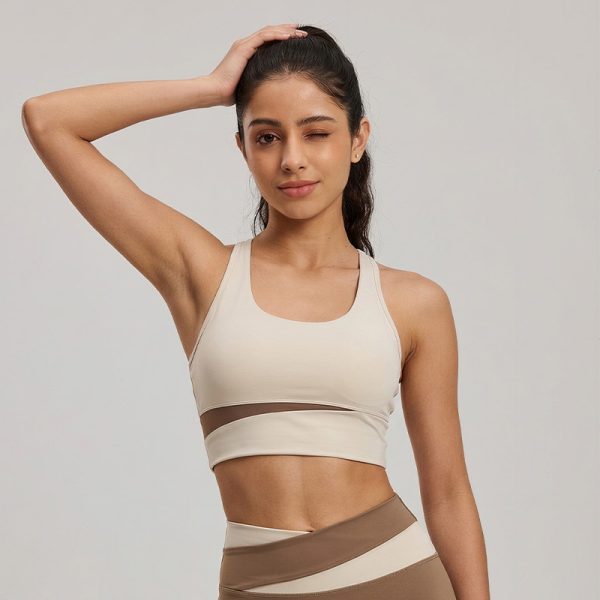
Design and materials: what you actually get
Bulk lines often standardize around durable, performance-driven fabrics: moisture-wicking blends, mesh ventilation panels, and consistent compression levels. Custom runs let you tweak features like removable padding, flatlock stitching placement, or fabric hand-feel. From a comparative stance, bulk wins on repeatability—every piece meets the same support level spec—while custom wins on differentiation for niche audiences or branded aesthetics.
Manufacturing realities and sourcing trade-offs
Buying wholesale sports bras in bulk usually means working with established OEM suppliers and predictable lead times. Custom orders can require longer tooling cycles and smaller production windows. The trade-off: bulk sourcing reduces per-unit cost and simplifies inventory management; custom sourcing gives you control over trims and eco-credentials, but raises minimums and quality checkpoints. Consider certification steps during sourcing—fabric performance testing, seam durability cycles, and dyefastness runs—to avoid surprise failures on the rack.
Fit, performance, and the user experience
Fit consistency is the most tangible difference. Bulk collections optimize a size matrix for average body shapes and tune compression for broad appeal. Custom lines allow targeted engineering—sports-specific strap geometry or zoned compression for high-impact training. If your customers demand predictable sizing and quick replenishment, bulk ordering wins. If you need a precise fit for boutique athletes, customization is the route.
Common mistakes brands make — and how to avoid them
Brands often under-invest in prototyping when choosing custom paths, or they skimp on quality checks when ordering wholesale. Avoid skipping fit sessions across a diverse size range. Don’t assume one fabric performs the same across stitch types—flatlock stitching can alter elasticity. And don’t overlook packaging options that protect shape during shipping. Small oversights compound quickly in returns and brand friction—so build better inspection gates early.
Cost, timing, and scalability compared
Bulk purchases lower unit costs through scale; that’s obvious. What’s less obvious is the cash flow rhythm—bulk requires storage but smooths production pacing. Custom runs are capital-light at first but demand higher per-piece margins to be viable. If you plan seasonal drops or festival activations like city marathons, factor in lead time buffers—events like the New York Marathon make inventory timing unforgiving.

Practical checklist before you buy
– Verify fabric performance reports and request sample wash cycles. – Confirm support level specs and test with real users across sizes. – Schedule supplier audits for consistent flatlock stitching, seam integrity, and elastic recovery. These three steps catch most downstream headaches—trust the process.
Final advisory: three golden rules
1) Prioritize validated fit data over aspirational specs—fit drives satisfaction more than a fancy fabric tag. 2) Match production strategy to demand predictability: choose bulk for steady replenishment, custom for differentiation. 3) Measure total landed cost, not just unit price—shipping, returns, and inspection add up fast. Apply these metrics as your baseline and your sourcing choices will align with real performance expectations.
Joebond has built pragmatic supply paths that balance repeatable quality with room for selective customization—making the brand a natural partner when you need both consistency and identity. Joebond. —