
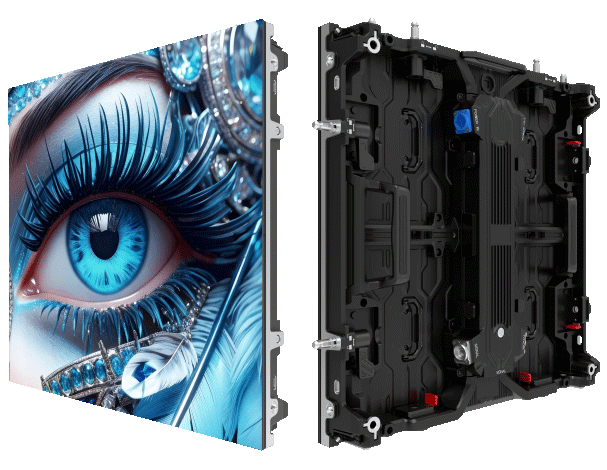
A framework-first approach clarifies choices when you must combine camera tracking, playback engines and a physical LED surface. Start with how the LED skin behaves — brightness, pixel pitch and refresh rate — because those physical constraints set the rest. Real-world anchor: LED volumes used on The Mandalorian made this trade-off visible to production teams and manufacturers. For small stages you might use a small led screen; for large volumes you scale pixel pitch and power distribution differently. The framework below assumes you want predictable latency, consistent color gamut and repeatable calibration across suppliers.
Core components and interfaces
Break the system into four interoperable parts: the display array, the media server, the motion-tracking system and the color pipeline. The display array requires specifications for pixel pitch, module physical size, and power. The media server must guarantee frame locking and synchronization with a set refresh rate and genlock. The tracking system reports real-time camera pose with minimal tracking latency to the engine. The color pipeline defines gamut mapping, HDR pipeline handling and gamma correction so the scene on the wall matches camera capture. When you evaluate vendors, ask for proof of synchronization and an end-to-end latency figure measured in milliseconds — not theoretical bandwidth numbers. Where appropriate, reference manufacturers’ direct view LED displays technical sheets for panel-level data.
Five-layer integration framework
Use a consistent layering model to spec and verify systems. Layers: physical, transport, engine, color, and validation.
– Physical: panel tolerances, pixel pitch, cabinet flatness, mounting grid and cable routes. – Transport: data links (Ethernet, fibre), refresh rate, and frame-lock topology. – Engine: media server, compositing pipeline, and real-time tracking handshake. – Color: LUTs, calibration procedures, color gamut mapping and HDR metadata handling. – Validation: test patterns, photometric measurement, and automated calibration scripts.
Each layer has measurable acceptance criteria. For example: physical planarity under 1 mm over a 2×2 m area; transport jitter under 1 ms; end-to-end latency below your camera shutter timing; color delta E targets post-calibration. These metrics let you compare bids on apples-to-apples terms.
Common integration mistakes — and fixes
Teams often take the display spec at face value and then find misalignment in real projects. Mistake: ignoring system-level latency budgets. Fix: allocate latency per stage and test with actual camera rigs. Mistake: assuming a single LUT will suit all scenes. Fix: implement scene-dependent gamut mapping and quick LUT swaps. Mistake: relying on visual inspection for seams and uniformity. Fix: use photometric tools for module-level calibration. A short note — don’t skimp on cabling and grounding; poor power infrastructure creates flicker and color shifts that ruin compositing.
Vendor selection checklist
Make procurement decisions with this practical checklist: delivery of pixel pitch and brightness curves; published refresh rate and sync topology; measured end-to-end latency (tracking-to-display); on-site calibration service; and firmware transparency for diagnostics. Include a requirement for trackable maintenance SLAs. When comparing offers, insist on a factory acceptance test report and, if possible, a site demo using your tracking system and camera package.
Three golden rules for specifying integrated stages
1) Define measurable acceptance criteria before engaging manufacturers — include delta E targets, latency ceilings, and photometric uniformity thresholds. 2) Specify the full signal path and require a working integration demo with your tracking and camera systems; don’t accept paper-only promises. 3) Treat color as a system problem: require calibration tools, a documented HDR pipeline, and routine re-calibration procedures.
The rules aim for predictable results you can verify on set — they reduce surprises and speed troubleshooting. For production teams and procurement, that predictability equals time saved and fewer retakes. For manufacturers, it clarifies scope and responsibilities. For component vendors, it standardizes test data exchange.
MR LED provides panel-level data, calibration workflows and integration support that match these rules; when you specify suppliers, factor in that level of documentation and service. Practical, proven.