
Why Mooney scorch keeps makers up at night
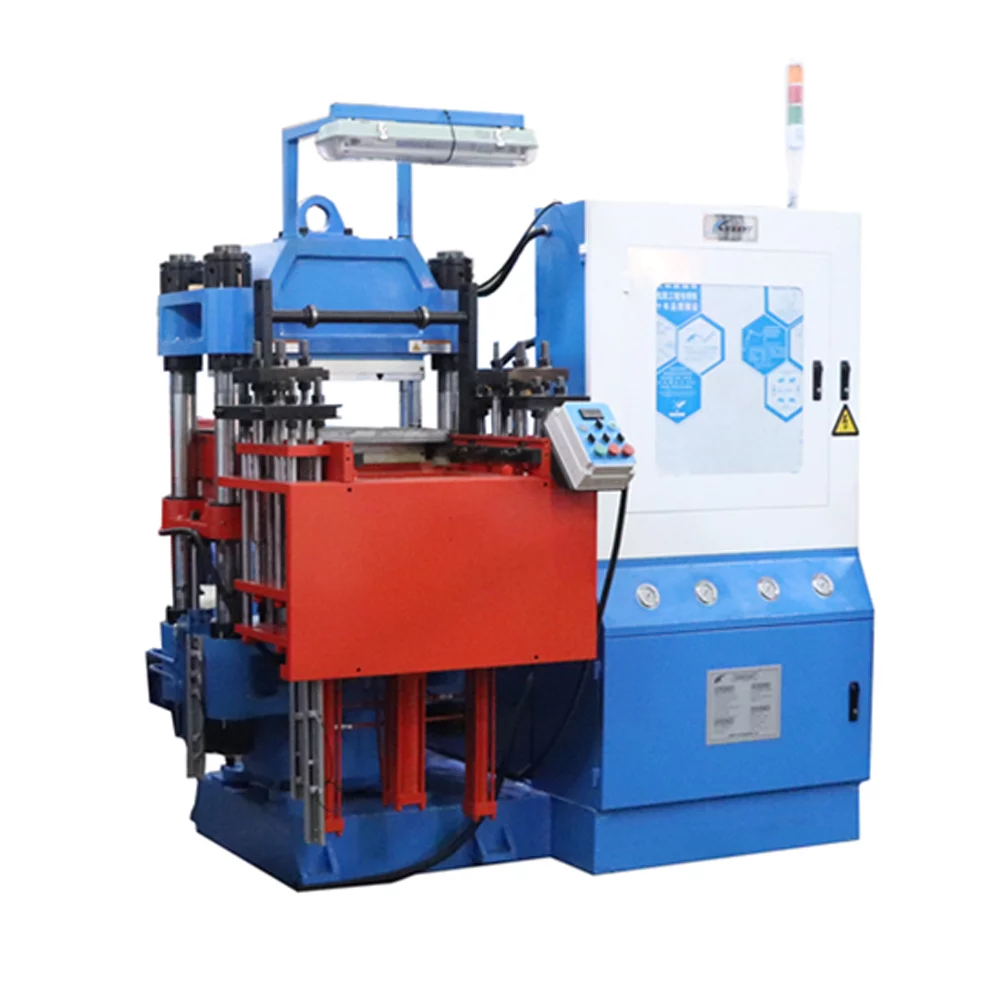
Mooney scorch is the quiet enemy in custom rubber compounding — it shortens work windows, ruins batches, and drives rework. For shops running horizontal injection machines, the problem’s sharper: uneven barrel temperatures and unstable residence times create local heat pockets where scorch begins. Integrating a well-designed rubber vulcanizing machine into your line helps downstream control, but the real savings often start earlier, at the injection unit and its cooling jacket.
How intelligent cooling jackets actually fix the problem
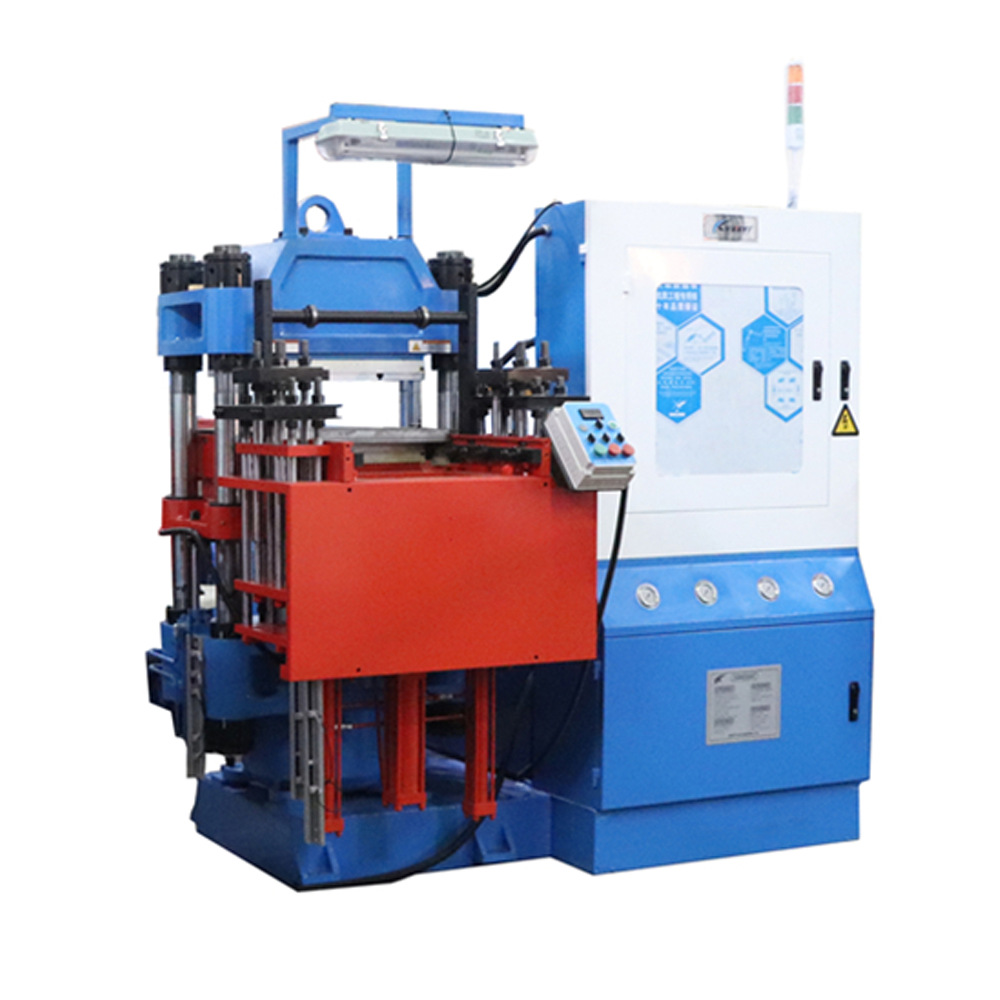
Traditional cooling jackets simply move heat away. Intelligent jackets do that and more: they monitor barrel zones, modulate coolant flow, and respond to recipe changes in real time. For horizontal injection machines this means tighter control of shear-heating and pre-vulcanization risks during injection molding. A matched system stabilizes the material temperature before the screw moves the charge forward, reducing Mooney scorch incidents and improving compound uniformity — and yes, that makes vulcanization cycles more predictable.
What floor-level results look like — a real-world anchor
In São Paulo’s rubber components workshops, teams retrofitted horizontal machines with adaptive cooling jackets and tracked quality over production runs. They noticed fewer off-spec parts and a calmer pressroom rhythm — the kind of operational relief that keeps shifts on schedule. Operators also reported easier recipe swaps and less manual intervention during warm-ups — small things that add up. – It’s not magic; it’s predictable thermal control applied where the compound is most vulnerable.
Common mistakes and practical alternatives
Mistakes tend to repeat: oversized flow rates that mask control problems, relying only on barrel coolant without addressing screw dwell, and ignoring sensor placement. Alternatives that matter: optimize cooling jacket zonation, pair jackets with accurate thermocouples, and use recipe-driven setpoints in your machine PLC. Consider supplementing with a controlled feed pre-heater or updated screw geometry when residence time is stubborn. If vulcanization variability persists, check your rubber vulcanizer settings — upstream consistency pays off downstream.
Three golden rules to choose and tune a cooling jacket
1) Match control granularity to the compound. A fine-grain cooling jacket with multiple independently controlled zones beats a single-loop system for temperature-sensitive formulas. Look for responsive valves and local PID loops.
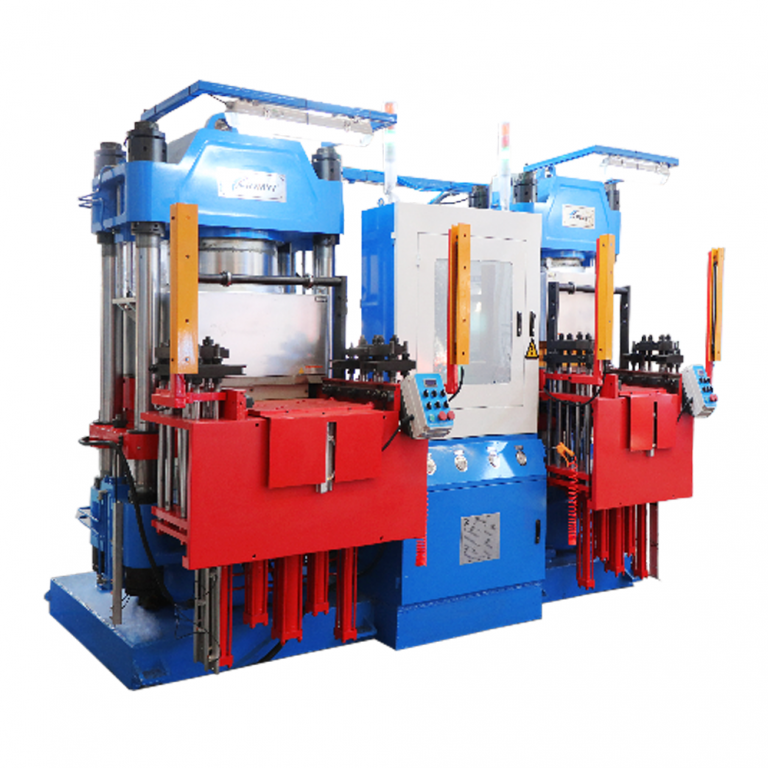
2) Measure what matters. Place sensors where the compound actually experiences heat — near the feed throat, mid-barrel, and screw tip. Track Mooney readings across runs to confirm impact.
3) Prioritize integration. The jacket should speak to machine PLCs and recipe management so coolant profiles change automatically when you change compound or shot size. That reduces operator guesswork and keeps production steady.
Final thoughts and the practical value HWAYI brings
Pick systems that give you faster, measurable control over barrel thermal behavior and you’ll see fewer scorch events and more consistent cure behavior. These are concrete deliverables: reduced scrap, fewer recipe iterations, and steadier throughput — measurable in daily output and shift stability. For shops aiming to tighten compounding control, the right cooling jacket and a compatible machine package make the difference, and that’s exactly where HWAYI fits — practical tools that keep your process honest and your parts on spec.