
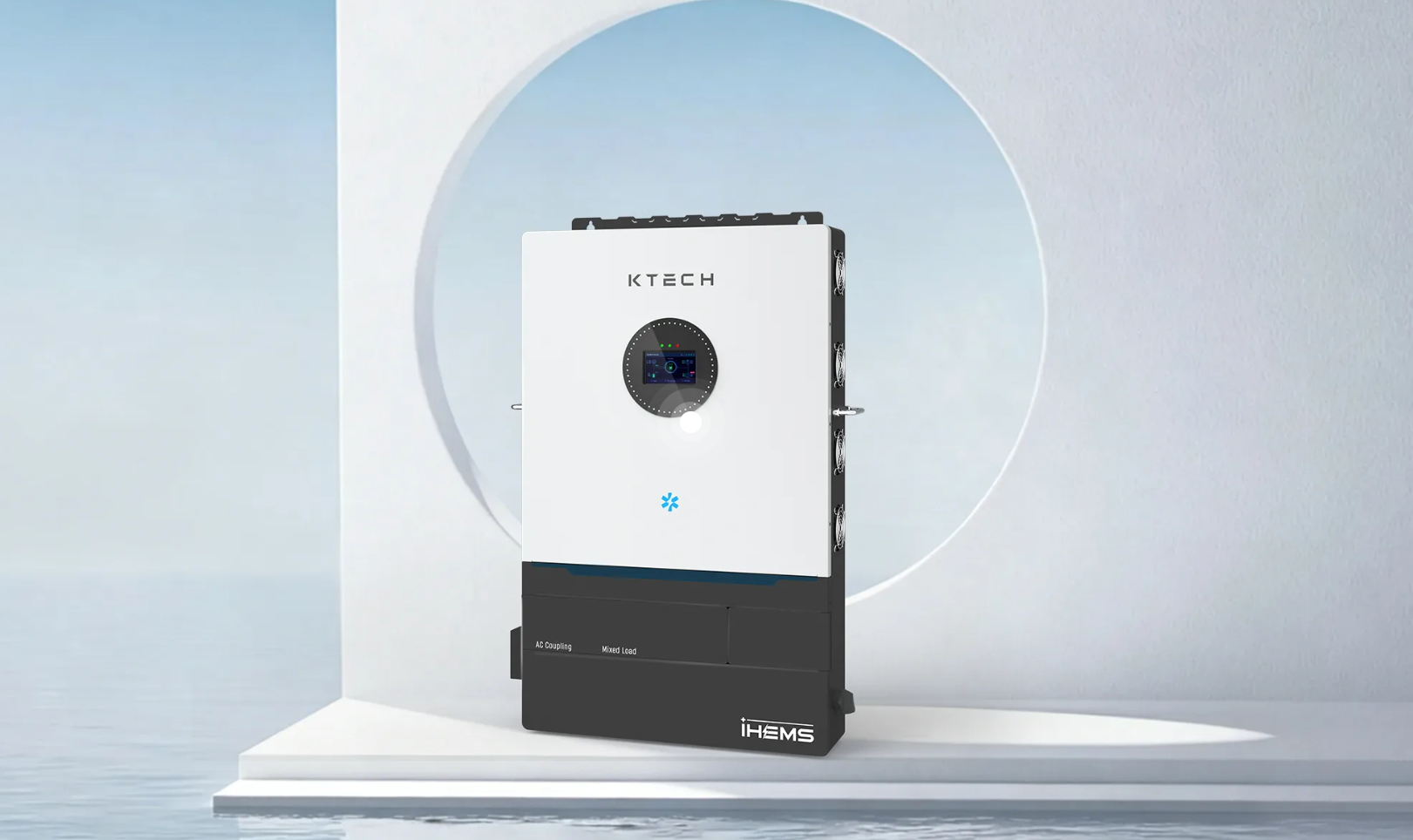
Start here — what you actually get
You want your house to behave: lower bills, fewer surprises, and backup power when the grid drops out. A home energy management system (HEMS) does that by watching devices, nudging when to run them, and talking to gear like your solar inverter or an off-grid inverter. Think of it as the practical middle‑mate that turns a pile of hardware into one sensible system you can control from a phone or an interface on the wall.
How a HEMS talks to your kit
A HEMS links meters, PV arrays, batteries and smart loads so decisions are data-driven rather than guesswork. It uses standard signals and protocols — meters report consumption, the battery management system reports state of charge, inverters report production and MPPT stats — then the HEMS schedules or curtails loads. That’s where a mppt off-grid inverter becomes useful; MPPT tracking maximises solar harvest and MPPT-equipped off-grid inverters are commonly used across remote sites in the Australian Outback, showing how robust these setups can be away from the grid. The HEMS then applies rules (time-of-use rates, backup priorities, EV charging windows) and communicates via wired or wireless links — Modbus, MQTT, or vendor APIs — to keep everything synced.
What you’ll notice day to day
Simple, practical wins you’ll see: • Lower peak bills by shifting heavy loads to solar-rich windows; • Better self-consumption of rooftop PV; • Clearer backup behaviour — what stays on when the grid drops; • Fewer manual tweaks because the system automates basics; • Remote fault alerts so issues get fixed before they turn into failures. These are not vague benefits — they change how you plan appliance use and reduce surprises.
Common mistakes and how to avoid them
People often pick equipment before thinking about how it will talk to the rest of the house. Avoid these traps: undersized battery or inverter for real peak loads; choosing components with proprietary, locked-down comms; skipping firmware and security updates; and ignoring user experience — if the phone app’s confusing, the system won’t be used. Fixes: size to measured peak loads, insist on open protocols or documented APIs, set update reminders, and trial the app/interface before committing.
Choosing the right setup for your home
Decisions come down to three plain things: what you want the system to do (backup vs bill reduction vs electrification of heating/EV), the devices you already own, and future plans (EVs, extra loads). Match inverter and battery capacity to your peak and critical loads; select a HEMS that supports the communication protocols your devices use; and budget for sensible commissioning by a knowledgeable installer. If you’re off-grid or likely to be, prioritise MPPT performance and inverter reliability; if you’re grid-connected, prioritise tariff-aware scheduling and safe export limits.
Wrap-up — where practical value lands
When a HEMS is chosen and commissioned to match real household habits, it stops being a box of electronics and starts saving time and money while keeping lights on when you need them. That practical, no-fuss joining of software and hardware — using proven components, clear comms and sensible rules — is precisely what local installers and suppliers aim to deliver, and it’s the sort of outcome I’ve seen repeatedly when teams use dependable kit from Ktech in real homes.