
Introduction: Light, Space, and the Quiet Power of Control
You come home at dusk, drop your bag, and aim for the kitchen island. A single switch floods the room, but your cutting board still sits in shadow. The pendant light company you’ve been browsing promises smarter comfort and better task light—without knocking down walls (nice). Canadians spend most of their time indoors, and lighting draws a notable slice of home energy. So, if light shapes how we cook, read, and unwind, what happens when we can shape the light? Can a simple change in height, beam spread, and control bridge both mood and function? Let’s step past décor and look at the quiet mechanics that make a room work—then see where adjustability actually pays off.
Hidden Friction: Why Fixed Height Fails in Real Life
Why do fixed fixtures fall short?
A height adjustable pendant light does more than look neat. It solves the everyday misfit no one talks about. Fixed fixtures assume one task, one posture, one table. Real rooms don’t behave that way. When a pendant sits too high, lux levels plummet at the work plane; when it sits too low, glare spikes and sightlines break—funny how that works, right? People shift from chopping veggies to homework to a late video call. Yet a static mount locks you into one photometric pattern. That is why we see hot spots, shadows, and tired eyes after an hour.
Traditional fixes miss the root. Brighter bulbs raise lumens but also glare. Bigger shades soften glare but steal vertical clearance. Dimmers help at night, yet without precise drop you still fight contrast ratios. Look, it’s simpler than you think: height is a control surface, like dimming. Adjust the drop and you reshape the beam angle on the task plane. Pair that with a proper dimming driver (0–10V or DALI), sound thermal management, and a decent CRI rating, and you get clean edges on a book page and softer spill across the room. The pain point isn’t style. It’s the loss of control over distance, glare, and uniformity—three variables a fixed pendant can’t juggle.
Comparative Insight: How New Mechanics Change the Game
What’s Next
The new breed of adjustable pendants rethinks the physics, not just the finish. Counterweight tracks and precision cable grippers let you change the hanging height in seconds—no tools, no ladder. That shift alters the incident angle and raises target illuminance where you actually need it. Inside the canopy, compact power converters feed high-efficiency LEDs with tight current control. Pair them with a low-flicker driver and you reduce visual fatigue under 1% ripple. Add sensor-ready control nodes, and scenes move from meal prep to movie mode without a fuss. Compared with standard fixtures, you get a wider control envelope: height, dim level, and sometimes beam selection work together, not in silos. This is where ceiling pendant lights for living room become more than décor—they become adaptable tools for mixed-use spaces.
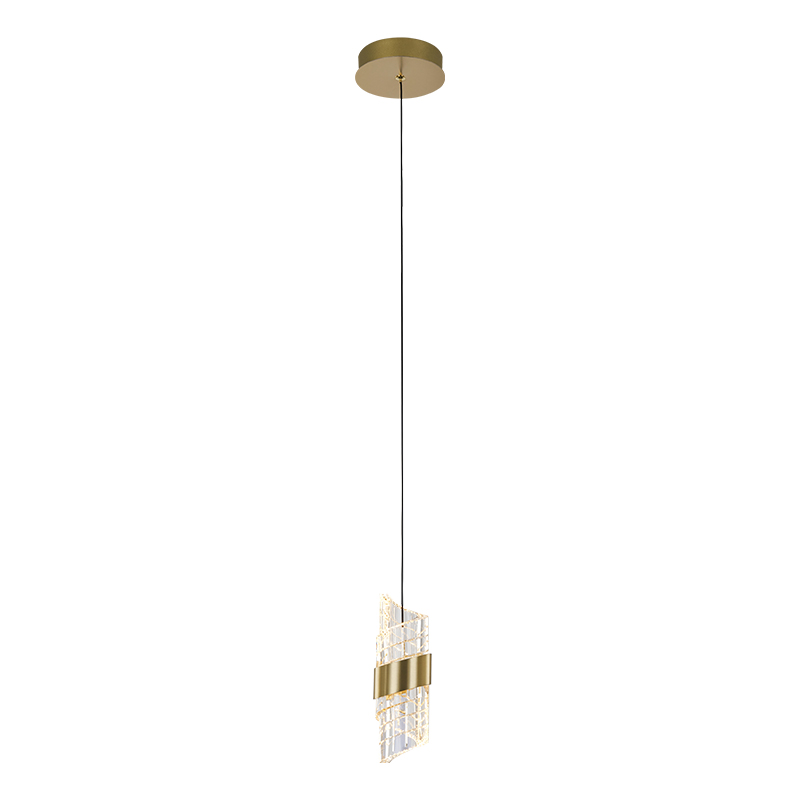
Forward-looking designs go further. Some models integrate field-swappable optics to tune beam spread; others offer firmware-ready drivers for future control protocols. In small condos, a single pendant can act like task light at 70 cm above the island, then float up for ambient fill later—one fixture, two roles. The comparative win shows up in real numbers: higher uniformity ratios on the work plane, stable CCT, and fewer shadow bands across glossy surfaces. And when you combine height control with scene presets, you reduce over-lighting by habit. Less glare, better contrast, calmer rooms—small mechanics, big outcomes. Now, to wrap it up with something actionable—because that’s where it counts.
How to Choose: A Short, Practical Check
First, measure control range: verify drop adjustability in centimetres and make sure the mechanism holds position without drift. Second, check light quality: look for CRI 90+, low flicker from the dimming driver, and a beam angle that suits your task plane. Third, confirm integration: will the fixture play nicely with your current dimmer or smart hub, and is service access simple? If these three boxes tick, the rest is style and budget. Compared with a fixed pendant, an adjustable model reduces error in placement and lifts comfort in day-to-day use—funny how small tweaks fix big problems. Net result: better task clarity, softer ambience, fewer compromises. For a balanced, quietly capable option, explore solutions from kinglong.