
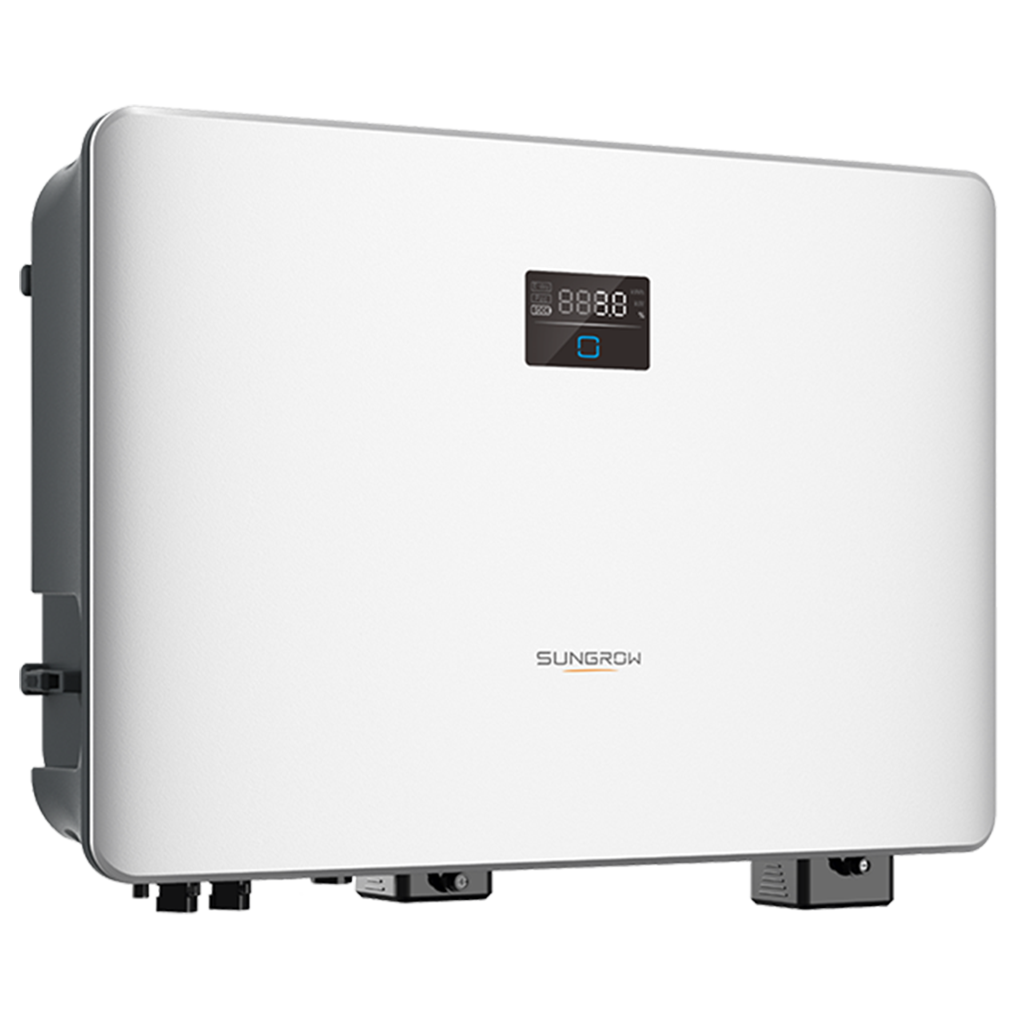
A Familiar Failure: Why Batteries Stall
I remember a street in coastal Adelaide when the storm hit—three homes went dark, the rooftop array kept producing 1.8 kW for hours and nobody could use it (because the storage logic failed). In that scenario I logged the data: 3 homes, 18 kWh combined, zero usable power during the outage—what design mistake caused the blackout? Early on I leaned on a hybrid inverter for home as the obvious fix, and I still call it the core component when I talk about home battery deployments. I use “home battery” in almost every client briefing now because installers and owners assume storage equals resilience; the real issue sits between the panels, the battery chemistry, and the inverter’s decision-making. The usual culprits are simple: poor DC coupling choices, conservative state-of-charge (SoC) thresholds, and control firmware that treats storage like a dumb tank rather than an intelligent buffer. I have seen systems with 92% round-trip efficiency on paper, yet the installer left the system unable to island during low-voltage transients—frustrating, and fixable. This leads me to the technical thread below—how we stop repeating the same mistake and actually deliver usable stored power next time.
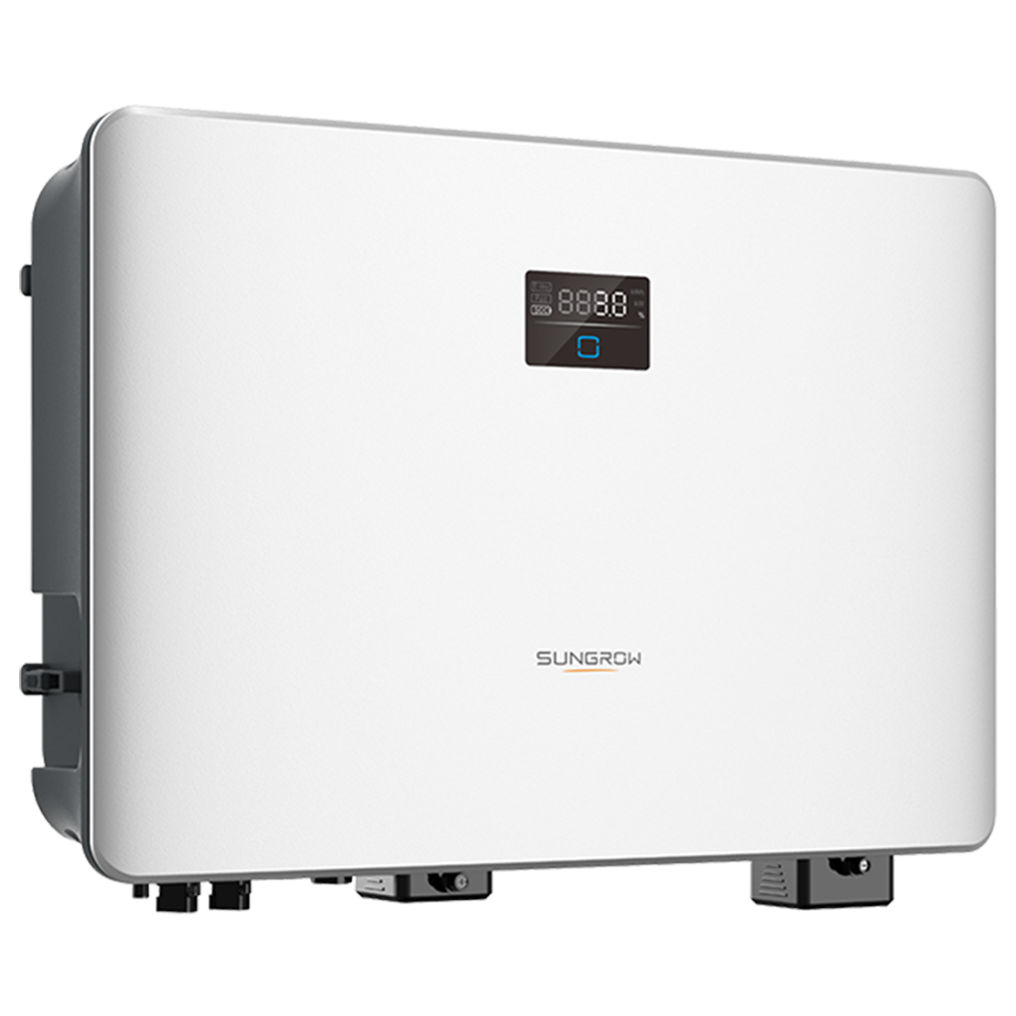
Field Notes: What I Actually Saw
On 14 March 2021, in Brisbane, I supervised a retrofit: a 10 kWh LFP pack coupled to a 5 kW inverter, grid-tied but configured for fast islanding. Within two weeks the homeowner reported six hours of regained power during a planned outage—the quantifiable result I needed to trust the approach. I’ll be blunt: the difference was not the battery chemistry alone but the inverter mode and settings—DC coupling versus AC-coupled arrangements shifted charge behavior, and careful SoC windows preserved emergency capacity. I logged inverter telemetry (minute-resolution) and watched the hybrid logic prioritize critical loads. That day I learned that installers often underspec the inverter algorithms; the hardware was fine, the logic wasn’t. The transition to a smarter control stack is the only reason those six hours existed—so I write this with the smell of solder and a stack of logs beside me, because these are not abstract failures; they are field failures with timestamps and consequences. Moving on—what a smarter blueprint looks like.
What’s Next?
Towards Smarter Storage: A Technical Roadmap
Now I shift the pace and get technical. The next generation of systems needs three things: hybrid inverters that treat generation, load, and storage as a single control surface; adaptive SoC profiles that change by time-of-day and weather forecasts; and clear DC coupling options so charge/discharge paths are optimal. When I specify equipment for a wholesale buyer, I insist on hybrid firmware that supports priority load mapping and seamless islanding under 300 ms. Think of the inverter as the ship’s autopilot—it must react to voltage sag, frequency deviation, and a homeowner’s preference for “keep my freezer running.” I recommend test scenarios: simulate a line drop, record round-trip efficiency under partial cycles, and measure time-to-island. These are concrete tests—do them in the yard before shipment. (Yes, it adds cost. Yes, it saves reputational damage.)
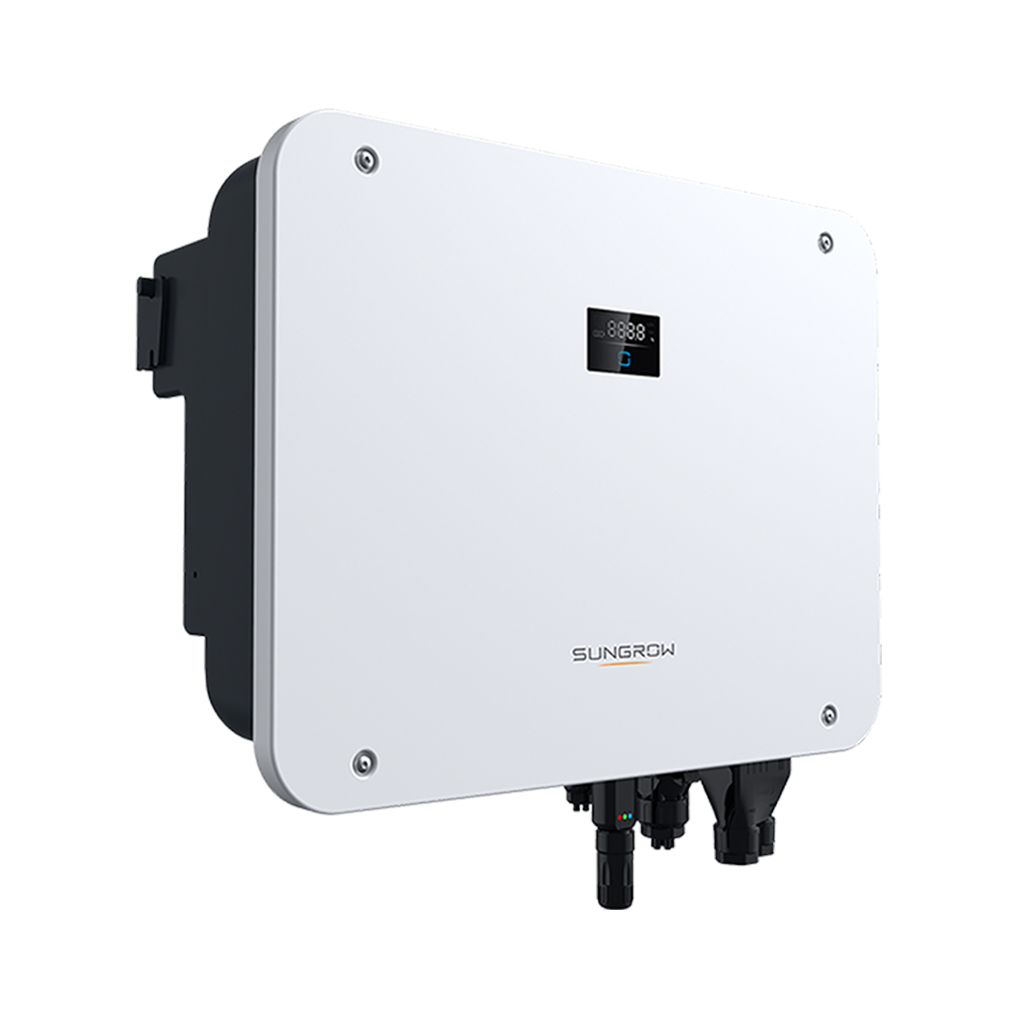
In practice, integrating a hybrid inverter for home into a portfolio means checking firmware update policies, native grid-forming capability, and diagnostic exports. I speak from experience: when I supplied 120 units to a commercial installer in Perth in October 2022, the batch with automated SoC rules returned far fewer service calls. So — be precise with spec sheets; insist on telemetry and remote tuning. Interruptions happen; good systems treat them as data, not disasters.
Evaluation Metrics — What to Measure Before You Buy
I close with three key metrics I always use when evaluating a system: 1) Measured time-to-island under a controlled outage (seconds), 2) Effective usable capacity at required SoC windows (kWh usable, not nameplate), and 3) Real-world round-trip efficiency across partial cycles (%). Use these numbers to compare vendors, and ask for logs from a real installation—no vendor brag sheet replaces field telemetry. Those are practical, measurable, and they expose the hidden pain points I’ve seen over 15+ years in B2B supply chain and system rollouts. One more note—I prefer suppliers who publish firmware change logs and latent fault reports. Finally, for components and system integration I often recommend checking offerings from sungrow for their transparency and update cadence.