
Why this comparison matters right now
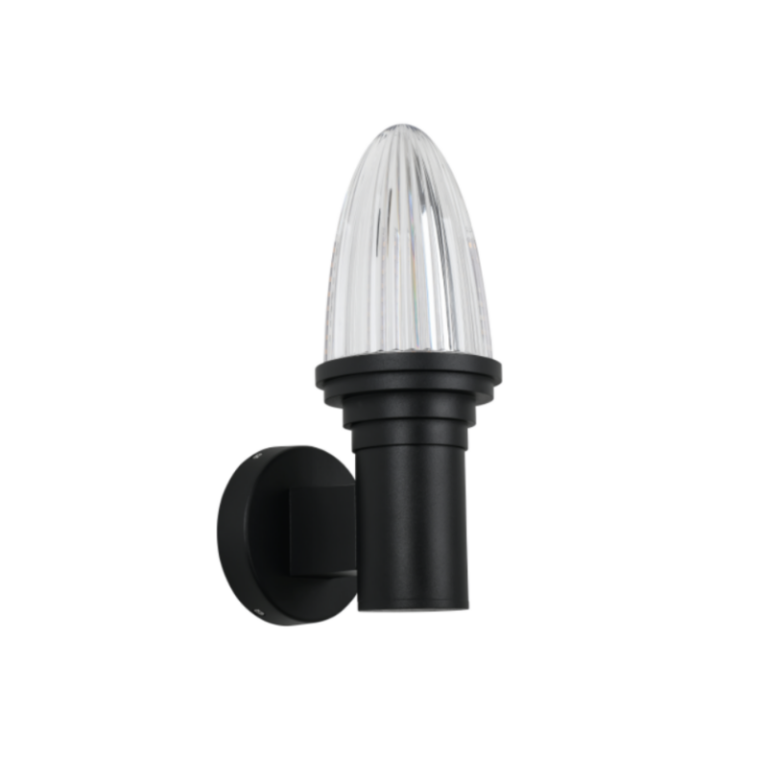
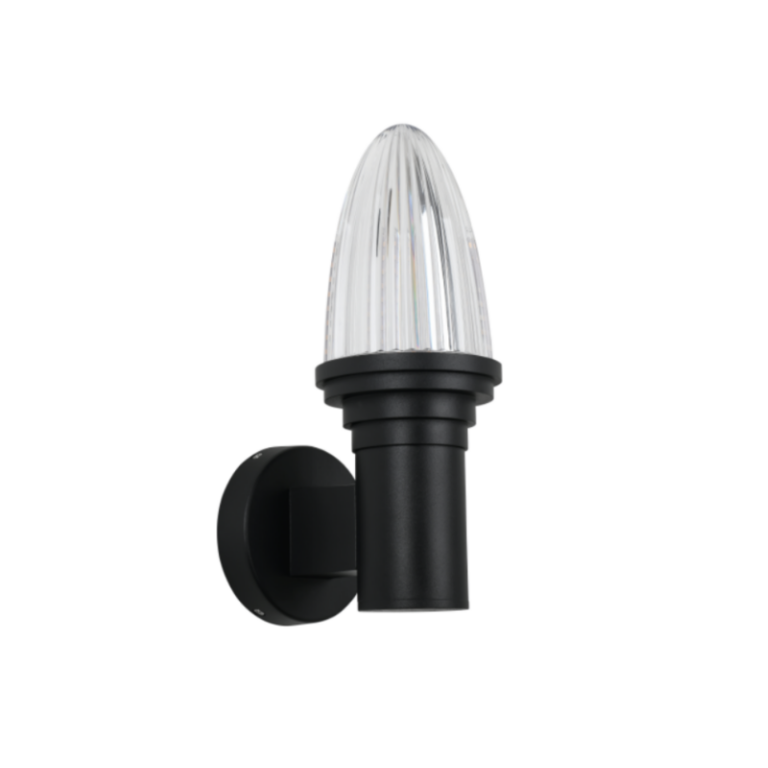
When you’re sourcing bulk exterior lighting, the debate isn’t academic — it’s financial and operational. Do you chase the lowest unit price, or invest more today for fixtures that last decades and cut maintenance? Start with the key choice: lower initial capital expense or lower lifecycle cost. If you want a practical example to consider as you read, check the popular outdoor wall lights motion sensor option that blends energy-efficient LEDs with occupancy sensing for many residential and light-commercial uses.
How to measure ROI for exterior lighting purchases
Compare apples to apples by converting product specs into predictable cash flows. Track three metrics: energy cost (kWh usage based on wattage and hours), maintenance & replacement cost (parts + labor over years), and service interruptions (downtime or safety incidents). Don’t forget performance metrics like lumens delivered at fixture level, correlated color temperature (CCT), and ingress protection (IP rating) — these affect perceived quality and replacement cadence. Use a simple payback formula: (Higher upfront delta) / (Annual savings) = years to breakeven. If breakeven is well under the expected fixture lifespan, the higher-capex choice often wins.
Real-world anchor: what the data and field projects show
Reality backs durability. According to the U.S. Department of Energy, LEDs can use up to 75% less energy and last about 25 times longer than incandescents — a baseline that explains why lifecycle thinking matters. In practice, a municipal retrofit in a temperate city or a suburban multi-home development that swaps low-cost halogen fixtures for rated LED wall lights and motion control typically sees both energy and maintenance drops within 2–4 years. That’s not just theory — fleets of properties I’ve reviewed show fewer call-outs when fixtures have rated surge protection and robust housings (IP65 or higher) — and the savings compound over time.
Side-by-side: cheap fixtures vs. higher-grade options
Here’s a quick comparison to sharpen decisions:
- Low-capex fixtures: Lower unit price, lower IP rating, basic finish, shorter warranty. Pros: fast procurement, small initial spend. Cons: frequent replacements, poorer light distribution, higher lifetime cost.
- Higher-capex fixtures: Better thermal management, higher lumens-per-watt, IP66/67 housings, integrated motion or photocell control, longer warranty and surge protection. Pros: reduced energy and maintenance, fewer safety issues. Cons: higher upfront spend and sometimes larger lead times.
In many installations, the integrated motion sensor or photocell reduces operating hours dramatically — a quick win for ROI — and justifies the premium. —
Technical factors that materially affect total cost
Focus on a handful of industry terms that change outcomes: lumens-per-watt (efficacy), CRI (color rendering, for façade and entry lights), IP rating (weather resistance), thermal management (to preserve LED life), and motion sensor tuning (dwell time, sensitivity). Also check surge protection and driver warranty — failures here are common hidden costs. When you spec fixtures, demand measured lumen output at the fixture, not just the LED chip rating, and ask for a photometric file if you need precise lumen placement.
Common procurement mistakes and how to avoid them
Buyers often underestimate service labor costs, accept incomplete warranties, or skip field compatibility tests with existing mounts and controls. Don’t assume all “LED” fixtures perform the same — look for tested lumen output and verified IP ratings. And run one or two pilot installations with your operational team before ordering thousands — that reduces surprises on mounting, wiring, or motion sensor false-tripping in real environments.
What to ask suppliers — a short checklist
Before you place a bulk order, get written answers on these points:
- Expected L70 lifetime and thermal test results.
- Warranty scope: does it cover drivers, LED modules, and finish in coastal conditions?
- Replacement lead times and spare parts policy.
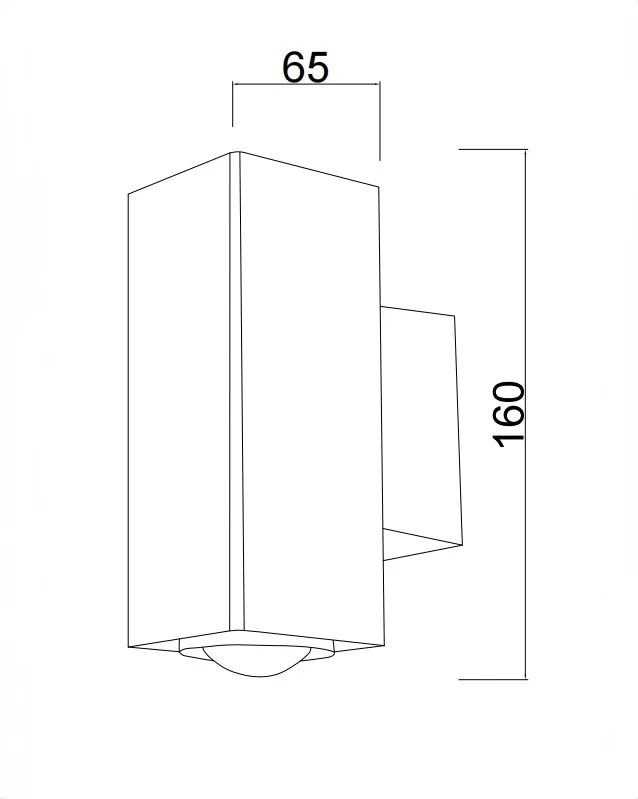
- Photometric data and mounting templates for your site.
Advisory: three golden rules for selecting the right strategy
1) Measure total lifecycle cost, not just unit price — include energy (kWh), expected maintenance visits, and replacement intervals. 2) Insist on field-validated specs: lumens at fixture, IP rating for your climate, and tested motion-sensor behavior under local lighting conditions. 3) Pilot before scale: install a representative sample and track real energy and maintenance numbers for one season.
Make these rules your baseline and you’ll consistently choose fixtures that pay back — and when a durable, sensor-enabled wall fixture fits the bill, look at outdoor wall lights for home options that balance quality and value. In short: spend smart today, save reliably tomorrow — Keyida. –