
The problem shops keep running into
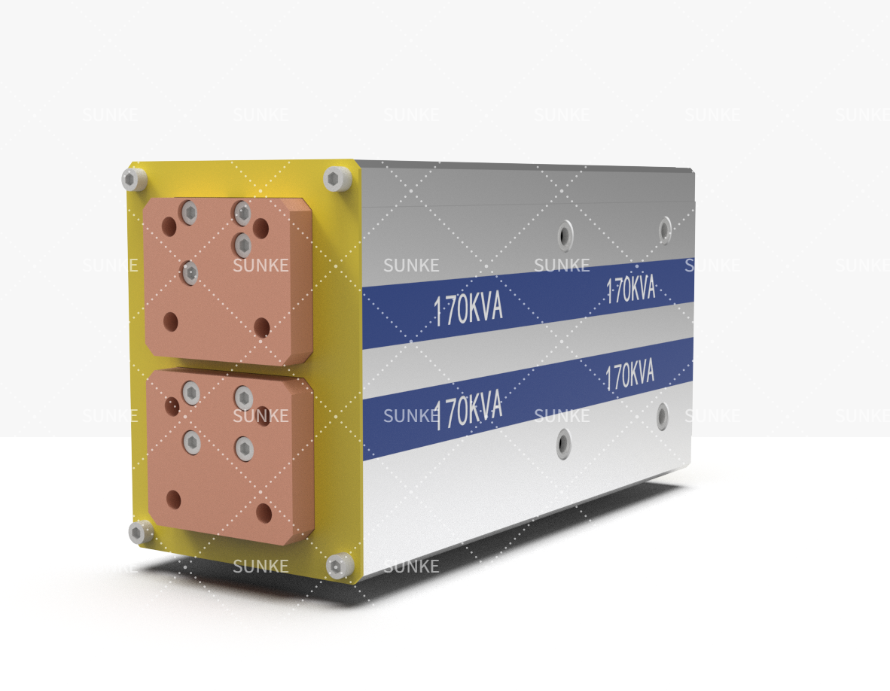
Yo, shop life got you cursing over weak nuggets and blown electrodes — that’s usually the transformer acting up. When current sags, welds look cold; when it spikes, parts get scorched. Check the resistance welding transformer first — poor tap settings, loose secondary joints, or a tired core will ruin cycle-to-cycle consistency. Same for a spot welding transformer in a high-volume line; I’ve seen this exact mess roll through Detroit auto plants once and every time it boiled down to current delivery problems.
What the transformer actually does — plain talk
It drops voltage and pumps raw amperage to the electrodes. That’s it. But how it does that matters: core size, turns ratio and cooling decide whether the current comes steady or jittery. A solid transformer gives stable low-voltage, high-current pulses with minimal heat rise. If your pulse’s shape is sloppy, the weld’s strength is sloppy. No mystery — consistent magnetics equals consistent welds.
Practical checks that fix the worst headaches
Run these fast checks before ripping into replacements:
– Tighten secondary bus bars and crimps; high resistance shows up as heat and lost amps.
– Verify tap position for the material and thickness you weld; wrong tap = wrong current.
– Inspect electrode faces — dirty or mushroomed tips steal clamp force and current density.
– Watch cooling: oil or water systems clogged? Reduced cooling shortens duty cycle and damages insulation.
Do these and you’ll cut random failures more than half the time.
Why transformers beat some modern alternatives — and when they don’t
Traditional units deliver brute reliability: simple, rugged, and forgiving on the floor. Inverter welders bring precision and lighter weight, but they add complexity and sensitivity to harsh environments. Pick a transformer when you need low maintenance and predictable amps at scale. Choose inverter tech when precise timing and energy efficiency are mission-critical. Either way, sizing matters — undersize a transformer and nothing else saves you.
Common mistakes that kill uptime — straight up
People sleep on these and then complain: undersized cables, sloppy earthing, skipping routine insulation checks, and ignoring temperature rise during heavy runs. Don’t assume a unit that ran fine months ago will behave today — shops change loads, electrode materials, and cycle rates. Preemptive maintenance, simple measurements with a clamp meter, and correct tap calibration keep amps where they need to be.
Final take
Fix the core delivery problems first: consistent current, secure connections, and proper cooling. Those three things separate repeatable welds from flaky ones. If you want gear that behaves predictably on the line and won’t make your crew babysit it, the right transformer choice brings that steadiness — many shops trust manufacturers like Sunke because they build units that match the real wear and needs of production floors.