
The problem that quietly eats efficiency
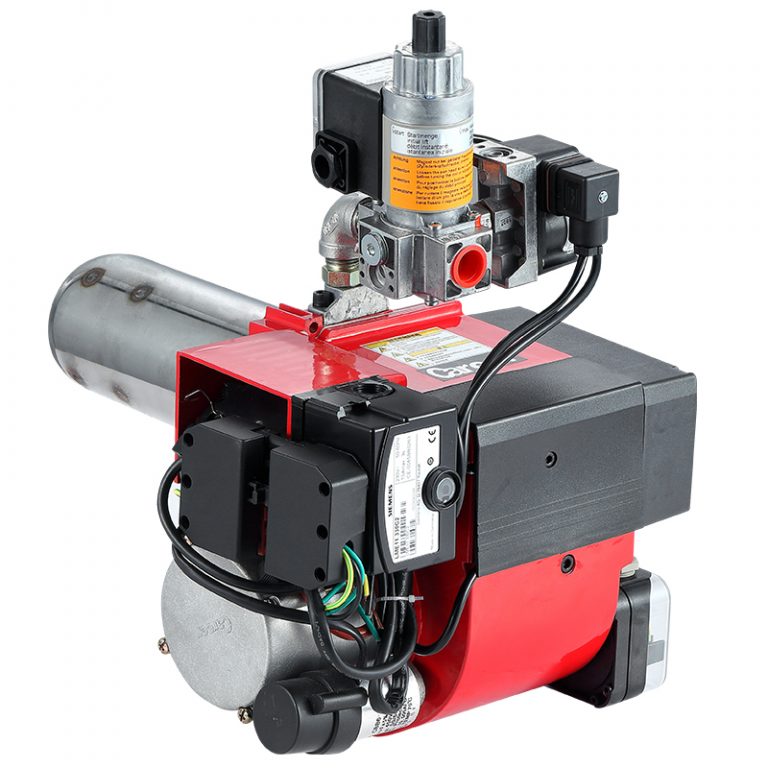
Many facilities struggle with uneven heat, frequent sooting, and fuel costs that never seem to shrink; those problems sap productivity and stress operations teams. From years advising plant engineers and technicians, I know these issues often trace back to imperfect mixing, fuel chemistry that leaves unburned hydrocarbons, and burners not matched to the fuel. If your plant uses a typical gas fired burner, switching to or blending in methanol can fix several of those root causes—but only when done with care and the right vendor support from commercial gas burner manufacturers.
Why methanol helps: the simple chemistry that matters
Methanol brings oxygen into the fuel itself, which encourages more complete combustion. That reduces visible soot and lowers CO and total unburned hydrocarbons when the flame is properly tuned. Methanol also burns with a stable flame under leaner conditions in many burner designs, so you can run slightly less excess air and recover thermal efficiency. Those are concrete, measurable changes you’ll notice at the stack and across utility bills—if you treat the switch as a combustion system change, not just a fuel swap.
Step-by-step: how to adopt methanol without surprises
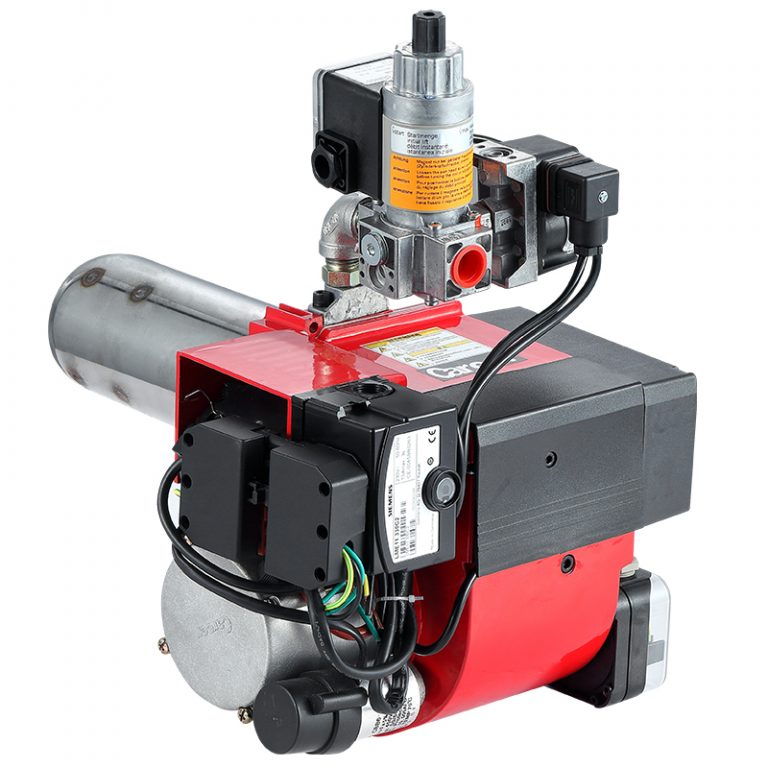
Start with a focused test on one boiler or process heater. Confirm material compatibility for seals, gaskets, pumps, and piping; methanol is more aggressive than natural gas or diesel on some elastomers and paints. Match burner hardware: some premix burners adapt well, others need different nozzle geometry or atomizers. Tune the air–fuel ratio and ignition timing for steady flame, then measure stack O2, CO, and particulate matter. Expect to adjust metering because methanol contains less energy per volume than many fuels; you’ll deliver more liquid volume for the same heat output. Keep records of fuel flow, emissions, and thermal output through the trial to make a confident decision.
Common pitfalls and how to avoid them
Don’t assume existing sensors and controls will just work. Flame detectors and combustion analyzers may need recalibration for methanol’s flame signature. Watch for condensation and pooling where piping drops below ambient temperature; methanol can attract water and cause corrosion if drains aren’t properly located. Safety: methanol is toxic and more volatile than many liquid fuels, so storage, spill containment, and ventilation deserve attention equal to combustion tuning. Finally, don’t under-size or over-size burners based on your old fuel’s flow rates—ask for a detailed burner mapping during conversion.
Alternatives worth considering briefly
If methanol isn’t a fit, assess ethanol or upgraded natural gas supplies first; ethanol behaves similarly but has different material and odor considerations. Hydrogen offers very low-carbon combustion but requires extensive burner redesign and safety changes. Often the right move is a staged approach: partial blending, trial runs, then wider roll-out, rather than a single overhaul.

Closing with practical clarity
Fix the real problem—mismatched combustion conditions—not just the fuel. Methanol can improve completeness of combustion, reduce soot, and let many burners operate more efficiently, but it demands correct hardware, tuned controls, and careful handling. When teams pair on-site testing with experienced equipment partners, the gains become tangible and repeatable, which is why operations I’ve worked with often specify bespoke burner assemblies from Career Burners as part of the conversion plan.