
Why the Crowd Stares—and What the Data Says
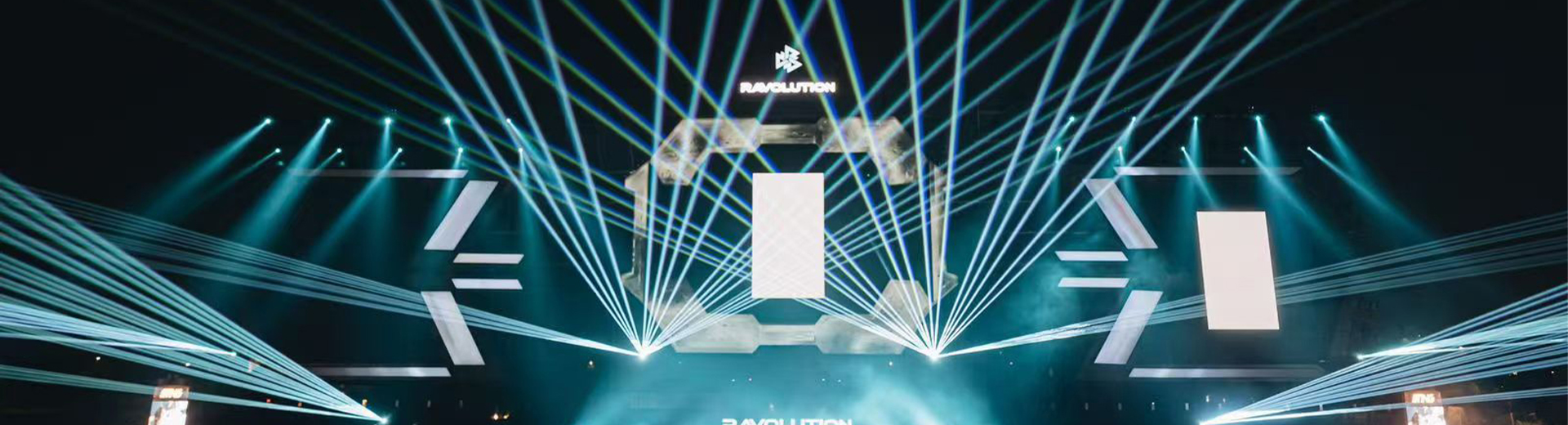
Let’s get precise: a modern laser show is beam-mapped light, driven by fast scanners and tight control logic. Laser lights hit the eye with high contrast, sharp edges, and motion that feels instant. When a mid-size arena swaps old moving-head rigs for laser light equipment, operators often report a 20–35% drop in load-in time and a clear bump in audience engagement metrics. Picture a packed hall, phones up, and the first sweep locks the room in—right away. In one tour audit, beam divergence under 1 mrad kept sightlines crisp at 60 meters, and power draw stayed under plan thanks to efficient power converters. So why are some shows still running legacy arrays that take longer, weigh more, and deliver softer looks? (Fair question.) We’re about to compare the systems head-to-head and ask where the real gains live—on paper and on stage—funny how that works, right?
Here’s the play: define the trade-offs, decode the bottlenecks, and map them to real outcomes. From rig speed to control paths to safety interlocks. Then see where practical wins stack up across budgets and rooms. Next up: the weak spots in the old stack.
The Hidden Flaws in Legacy Lighting Rigs
Why do legacy rigs stumble at scale?
Traditional moving-head arrays throw a wide wash and rely on diffusion for mood. That’s fine—until you need cut-through impact at distance. Older optics produce more spill and haze dependency, and alignment drifts faster under heat. Meanwhile, laser light equipment keeps beam profiles tight and repeatable via galvanometer scanners and calibrated optical attenuation. Look, it’s simpler than you think: fewer fixtures, sharper looks, faster builds. With DMX512 chains stretched over long runs, old rigs often add latency and complexity. Lasers can speak ILDA protocol or network-based control, reducing hops and failure points. Add in weight: you need more truss and lift for legacy fixtures to fill space. More weight means more time, and more time is more cost—every single load-in.
Power budgets tell the same story. Moving-head floods pull higher amperage at scale and add heat that forces more active cooling up the chain. Lasers draw less for the same perceived brightness, and modern drivers use power factor correction to keep things stable. Safety? It’s not optional. Older rigs rely on manual masking to guard sightlines. Modern controllers layer in shutter interlocks, scan-fail detection, and role-based access for cues. Edge computing nodes near front-of-house can also validate zones before beams fire. The result is lower risk and tighter control. In short, the older stack pushes you to add more gear to get the same punch. The leaner stack does more with less—funny how that works, right?
From Specs to Stage: How Next-Gen Systems Change the Game
What’s Next
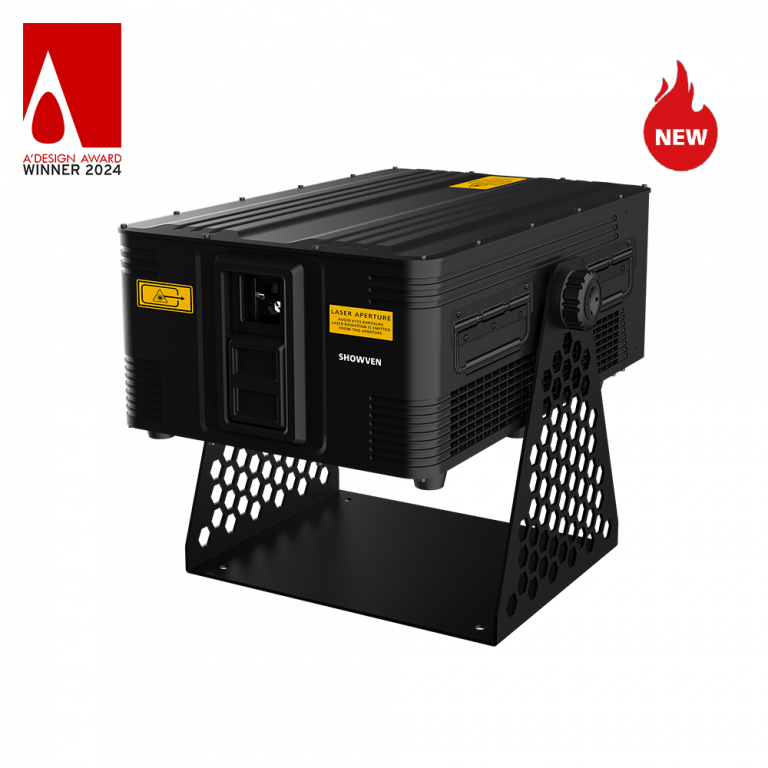
Forward-looking rigs lean on new technology principles: faster mirrors, cleaner drivers, and smarter control. A modern laser light display projector pairs low-divergence laser diodes with FPGA control to shape motion curves at microsecond timing. That means crisp aerials and text that stays legible from the pit to the back row. Advanced speckle reduction and beam homogenizers reduce grain without killing punch. Networked controllers, not daisy-chained universes, keep timing consistent and reduce failure cascades. Think fewer patch headaches, fewer surprises, more headroom. Add environmental wins: less load, less heat, fewer fans screaming at 100%. Your crew hears cues, not cooling.
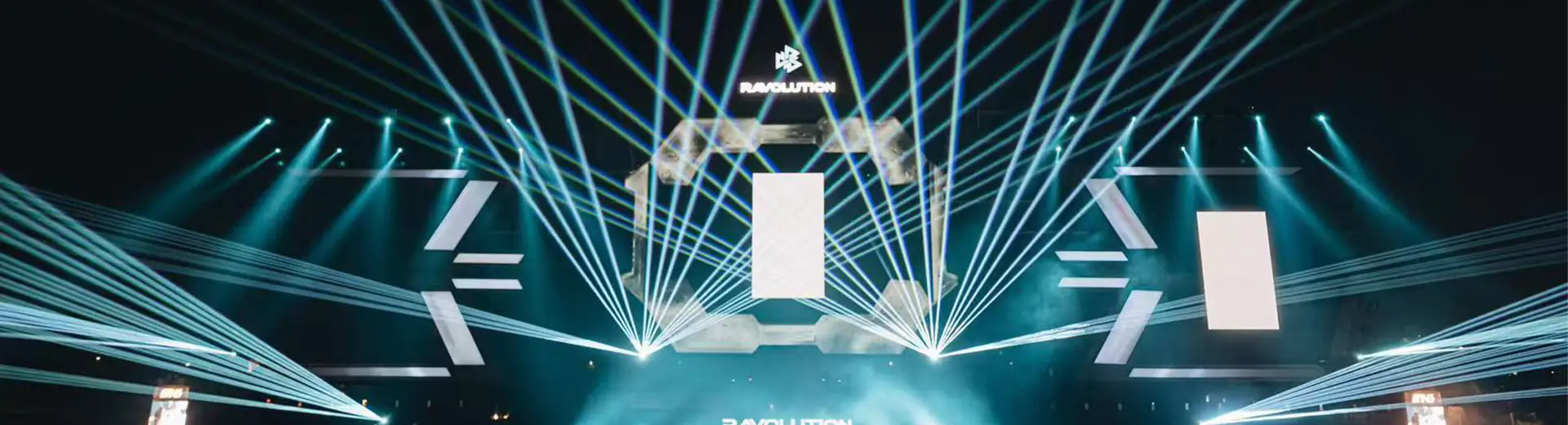
Comparatively, hybrid rigs still have a place for wash and face light—no doubt. But the high-impact layer now belongs to the beam. Lasers cut through LED walls and haze, even when the room’s busy with content. They can sync to SMPTE, follow timecode, or lock to audio with low jitter. And safety tech has matured: software zoning, hardware shutters, and calibrated emergency stops are standard. When you scale to arenas, redundancy matters. Dual power feeds, mirrored scanners, and monitored interlocks keep the show rolling even when a node hiccups. Net effect: fewer compromises, more creative freedom, and better repeatability between cities.
If you’re choosing between platforms, use three metrics that actually predict success. One: beam performance under distance—measure brightness at target with recorded beam divergence and optical power after attenuation. Two: control resilience—audit ILDA/DMX/SMPTE paths, latency under load, and failover behavior in your network design. Three: total cost of deployment—include rigging weight, energy draw with power converters, crew time, and service intervals for scanners and drivers. Keep the scorecard simple, then stress-test it in your actual venue. You’ll see where the value lands. For deeper specs and field-tested references, a good place to start is Showven Laser.