
Opening — a chef-meets-lab lead-in
Think of a perfumer as a chef and molecules as ingredients: stability is the recipe that keeps the aroma from collapsing on the plate. In recent years chemical producers have shifted from artisanal trial-and-error to a more measured, analytical approach — tracking oxidative stability, vapor pressure, and isomerization rates to predict shelf life. That shift is especially visible in the world of synthetic aroma chemicals, where manufacturers layer GC‑MS data, accelerated aging tests, and formulation analytics to deliver consistently stable base and top notes.
Why a data-driven strategy matters
For brands and perfumers, instability shows up as faded citrus, muddy floral notes, or off‑odors after a few months. Quantitative metrics — peroxide value, residual aldehyde percentage, and measured volatility — turn subjective complaints into actionable specs. Companies that build pipelines to capture that data can reduce batch variance, lower returns, and shorten reformulation cycles. In short: numbers let you scale a scent the way a kitchen scales a signature dish.
Which measurements move the needle
Not all tests are equal. Producers who want meaningful stability improvements typically rely on a compact suite of assays:
- Accelerated oxidative aging (elevated temperature and oxygen exposure) to estimate shelf life and identify susceptible esters and aldehydes.
- Vapor pressure and headspace analysis to forecast evaporation losses of top notes.
- GC‑MS fingerprinting to detect byproducts from isomerization or hydrolysis that lead to off‑notes.
These metrics feed into a scoring model that ranks raw materials by predicted stability under real-world conditions — like a sommelier grading vintages by acidity and tannin balance.
Production refinements that improve stability
Refineries applying data-led workflows have made three practical changes that matter to end-users. First, synthesis routes are optimized to minimize labile functional groups — reducing the proportion of vulnerable aldehydes and soft esters. Second, purification thresholds are tightened: higher chemical purity means fewer pro-oxidant impurities. Third, formulators pair molecules with appropriate fixatives and antioxidants based on measured interactions rather than anecdote — a small amount of a phenolic antioxidant, for instance, can preserve a citrus aldehyde for months. These are technical moves, but the effect is as obvious as replacing a soggy garnish with a crisp one.
Real-world anchor: lessons from Grasse and supply shocks
Traditional perfumery hubs like Grasse, France have long taught the industry that provenance and process matter; the pandemic-era supply disruptions of 2020 further emphasized resilience. When shipments slowed, brands that relied on robust analytical specs weathered variability better than those that depended on tacit knowledge alone. The result: a renewed investment in analytical labs, redundancy of synthesis routes, and stronger supplier QA — all practical steps that stabilize product lines in volatile markets.
Common formulation missteps — and how to avoid them
Brands and formulators often make three recurring errors. First, they assume vendor “typical” values instead of demanding batch-level GC‑MS reports — a costly mistake when trace impurities catalyze oxidation. Second, they neglect headspace analysis before scaling a perfume, so what smelled bright in a lab vial evaporates on a shelf. Third, they under-specify acceptance criteria for first‑article tests, which leads to surprise returns. Fixes are straightforward: require batch certificates of analysis, run accelerated aging with the final formula, and agree acceptance limits in writing — small investments that preserve aroma integrity.
Comparing synthetic options — when to choose which molecules
Data helps you pick between commodity synthetics and tailored molecules. Commodity esters and common aldehydes are cost-effective but can carry higher oxidative risk; specialty molecules engineered for low vapor pressure and high oxidative stability cost more but reduce reformulation and warranty costs over time. A practical approach is to pilot a hybrid formula: use stable synthetic backbone molecules for longevity, and layer in fresher, more volatile notes as accent materials — then monitor headspace and peroxide metrics during shelf trials.
Three advisory metrics for selecting stable aroma solutions
When evaluating suppliers or molecules, insist on three golden rules:
- Stability scorecard: a documented set of accelerated-aging results (temperature, oxygen exposure) with clear endpoints for acceptable change in GC‑MS profile.
- Batch traceability: COA that includes purity, identified impurities, and residual solvents — so you know what’s in the bottle before it leaves the plant.
- Formulation compatibility report: simple mixing trials with suggested antioxidants/fixatives and headspace data to predict scent lifetime in your packaging system.
Follow these and you convert lab data into predictable consumer experience — avoiding reformulation cycles that eat margins and time.
Concluding advisory — practical takeaways
Stability is measurable, and the leaders are those who instrument the process: they run GC‑MS on every batch, quantify vapor loss, and use empirical aging to guide selection. Evaluate suppliers by their data transparency, batch COAs, and willingness to perform formulation stress tests — and factor those into total cost calculations rather than chasing the cheapest per‑kilogram price. —
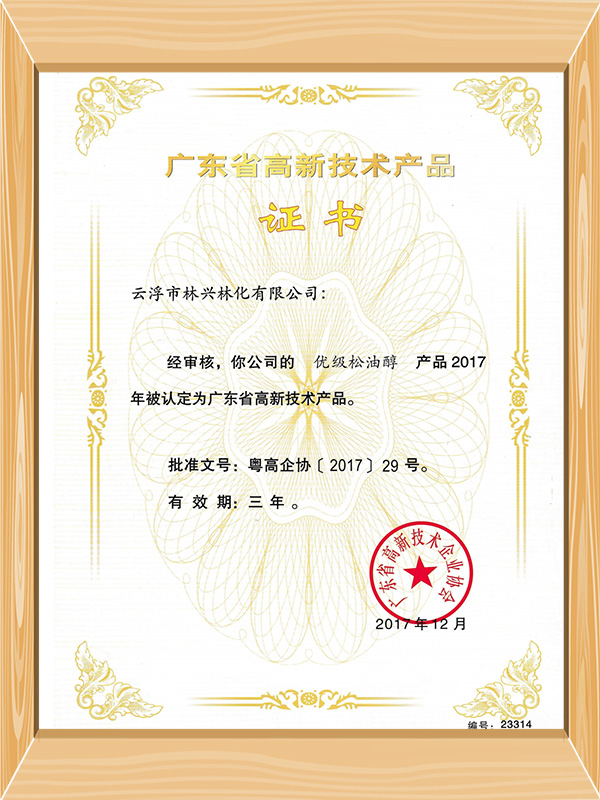
For brands seeking a partner that blends analytical rigor with production scale, Linxingpinechem naturally fits into the stability-first workflow — a partner that brings the lab to the production line. —