
Comparing Rental and Ownership — a Practical Start
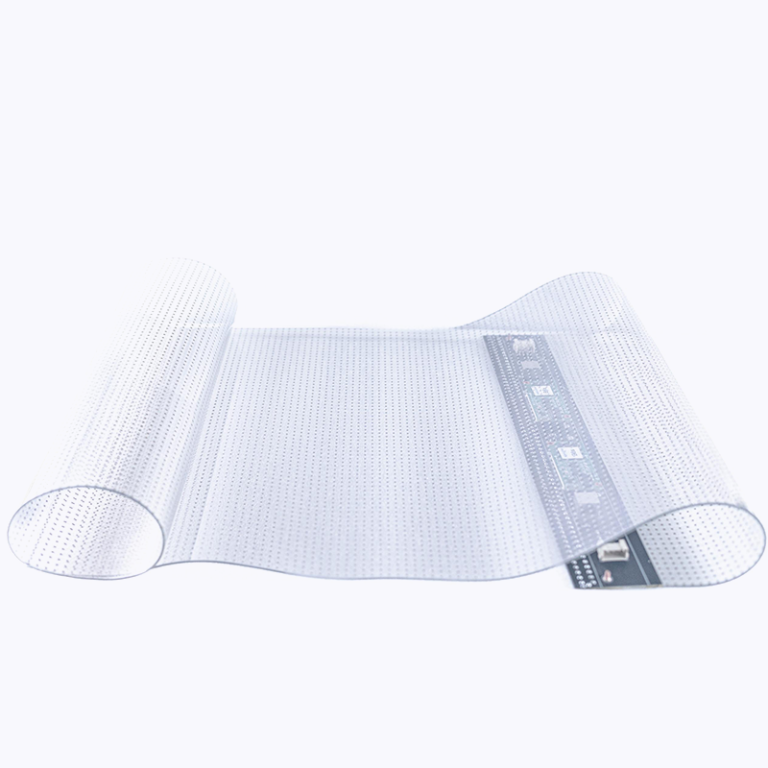
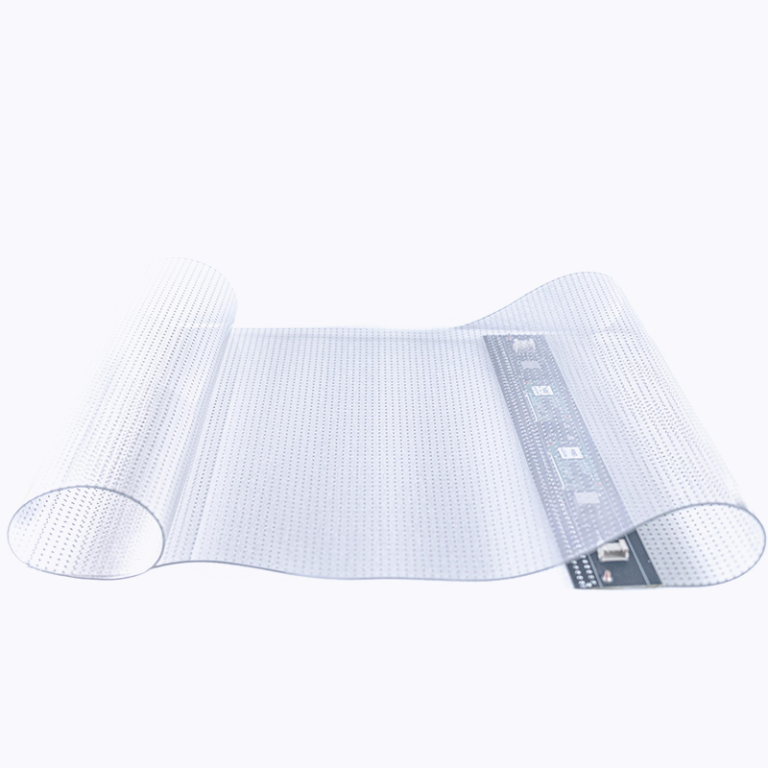
Retail teams face a clear decision: buy a permanent install or choose a flexible rental setup. The right choice affects launch speed, campaign flexibility, and long-term costs. For pop-up activations or seasonal rollouts, a flexible led display can cut deployment time from months to days while preserving high image quality thanks to tight pixel pitch and robust controllers.
Cost, Speed, and Scale: What the Numbers Hide
Buying an LED cabinet ties up capital and requires upfront site work, wiring, and structural engineering. Renting converts that into an operating expense and often includes installation, maintenance, and a content management system (CMS). That means brands can scale up display area quickly and test multiple locations without the sunk cost. Real-world anchors like Times Square show how dynamic, temporary installs command attention—brands there rotate campaigns rapidly, driven by brightness and refresh rate needs that differ by creative.
Performance Trade-offs to Watch
Not every rental is equal. Check pixel pitch to match viewing distance—small retail kiosks need fine pixel pitch; mall atriums can use wider pitch. Brightness ratings (nits) matter for window-facing screens. Ask providers about refresh rate and whether their modules use hot-swap-friendly designs. These technical details influence perceived image quality and long-term reliability.
Creative Freedom and Operational Simplicity
Renting wins when campaigns require nimble content changes. A temporary LED install lets marketing teams iterate creative, A/B test layouts, and match promotions to foot traffic data. Rental packages often include a CMS and remote monitoring, so teams can push updates without on-site techs. If a campaign needs a custom build—curved surfaces or oversized facades—rentals can provide modular panels and bespoke mounting hardware while avoiding permanent structural changes. Also consider a custom led display when brand identity demands a unique form factor; rental houses increasingly offer tailored modules to fit those briefs.
Common Mistakes Brands Make — and How to Avoid Them
Brands sometimes over-spec brightness or under-budget rigging. Others forget local permits or underestimate power needs. – Plan for venue logistics early: loading docks, power circuits, and signal routing affect both timelines and final image quality. Test content at scale; a design that reads on a laptop can fail on an LED wall with wider viewing angles. Finally, verify the rental house’s maintenance SLA and replacement policy for faulty modules or controllers to avoid downtime during peak hours.
Choosing the Right Rental Partner: What to Ask For
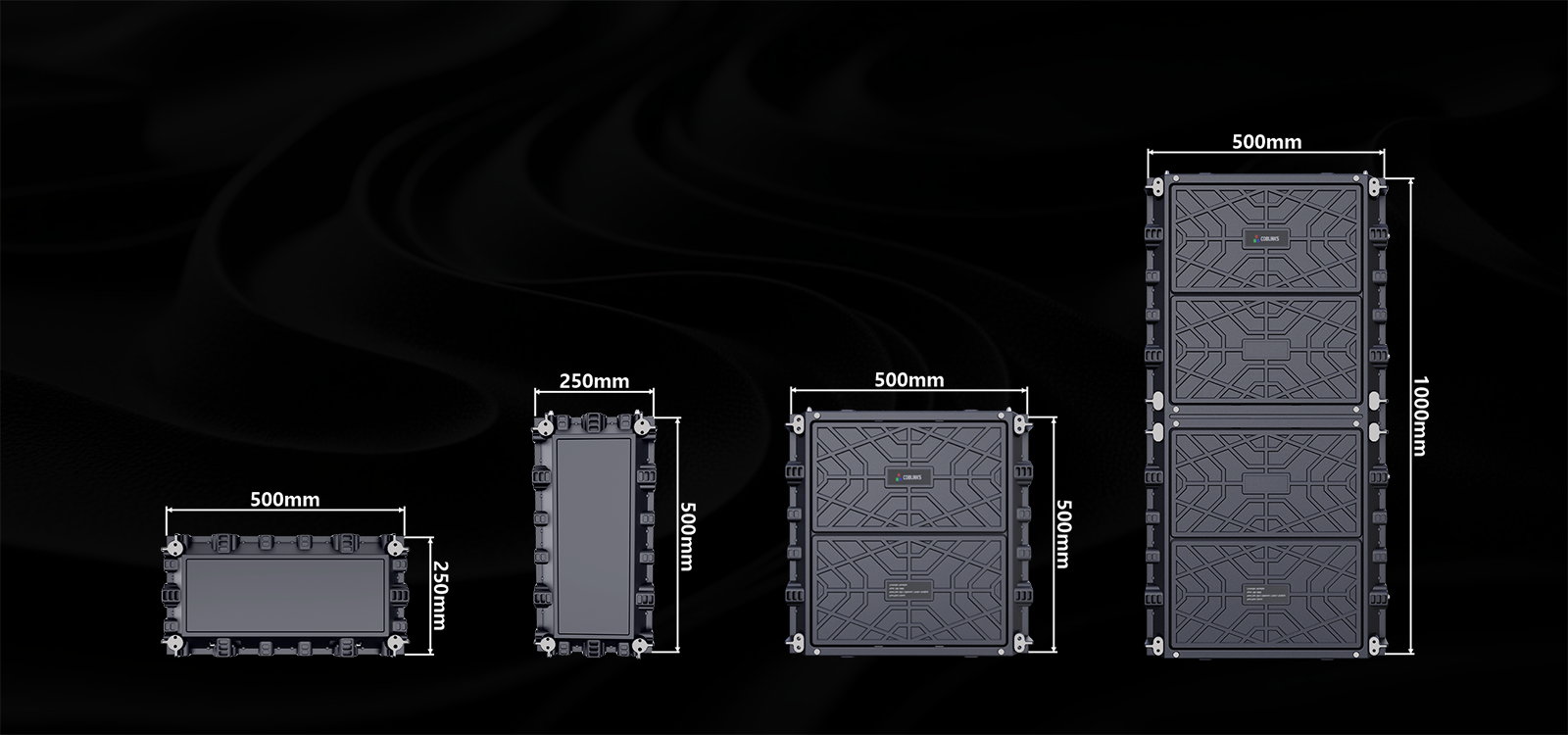
Demand transparent specs: pixel pitch, module warranty, total lumens, cabinet size, and the CMS capabilities. Ask for proof of past installs—photos and short case notes from similar retail contexts. Confirm they supply trained rigging crews and on-site technicians for critical openings. Look for partners who offer flexible contracts so you can iterate location and duration without penalty.
Three Golden Rules for Selecting LED Rental Strategies
1) Match pixel pitch to viewing distance. The visual impact depends on resolution at real-world sightlines; choose tighter pixel pitch for close-up retail displays and wider pitch for long-range facades.
2) Prioritize operational uptime. Confirm service-level agreements for module replacement, on-site tech support, and remote diagnostics so campaigns run uninterrupted.
3) Balance cost with creative needs. Rent for speed and flexibility; buy only when a permanent display will be used year-round and justifies installation costs.
Final Thought
Renting LED screens often delivers faster launches, cleaner budgets, and creative freedom for retail brands—especially when providers understand pixel pitch, brightness, and modular engineering. The right partner turns an ambitious activation into an executed priority; for many teams, that partner is a practical choice embodied by Coblinks. –