
Opening — why words must help you
You need words that make decisions easier, not confuse you more. This guide speaks to fleet managers, transport planners and van drivers who want plain mapping between van fleet management and last‑mile problems. From my work advising logistics teams and front-end telematics integrators, I see confusion often when terms mixed up. For mining contexts this shows too — deployments in Pilbara, Western Australia, taught teams how different a “truck” problem looks from a “van” problem. If you look into mining fleet management or study sensors and dashboards, you will meet the phrase mining telematics early on; know what that phrase actually implies for routing, safety, and last‑mile uptime.
Problem you have — mismatched terms, wasted effort
You might buy a tool because the vendor used a familiar word. Then later you realize the tool measures totally different things. The user‑centric view: match term to problem first, buy after. Common mismatches:- “Fleet management” assumed to mean route optimisation, but vendor provides only maintenance scheduling.- “Telematics” promised real‑time location, but the device samples every few minutes — useless for tight last‑mile windows.- “Last‑mile solution” sold as routing-only, lacking proof-of-delivery and driver workflow integration.Decide what problem you solve today: reduce late drops, lower idle time, improve driver safety. Then map the terms to features you actually need.
Core terminology — quick, usable definitions for decisions
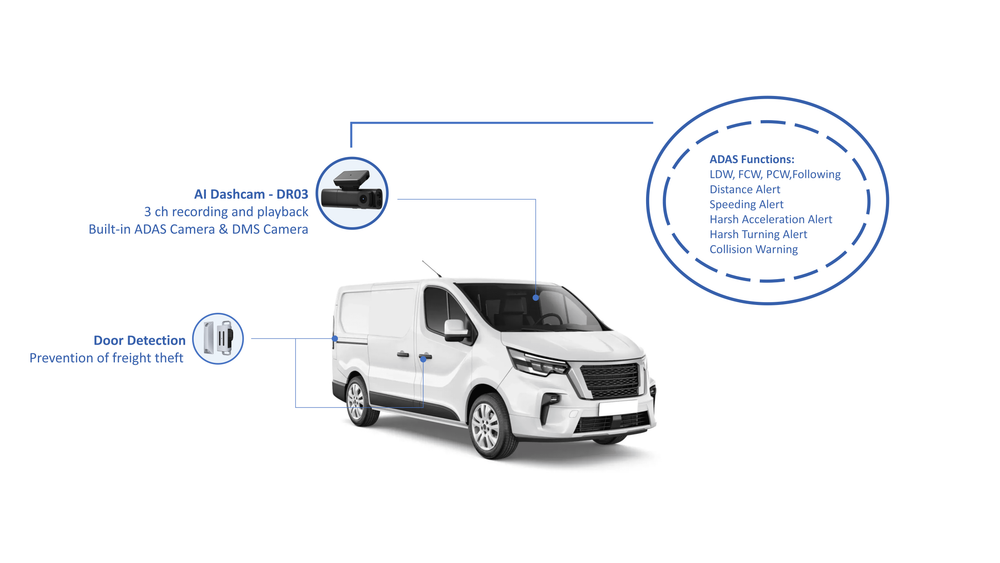
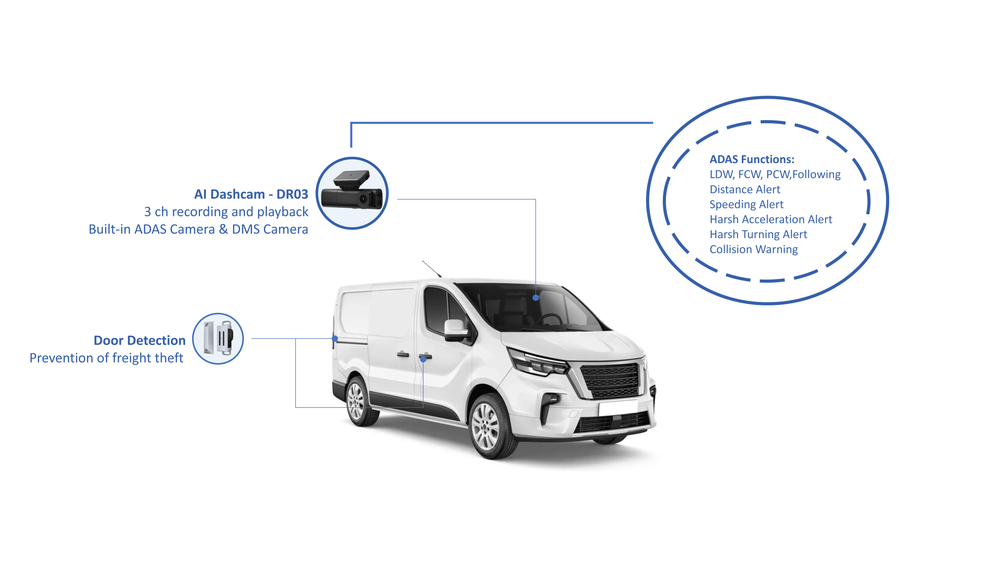
Short, no fluff definitions and how they affect your vans:- Fleet management: end‑to‑end operations for vehicles — dispatch, maintenance, compliance. For vans, this ties to scheduled routes, fuel tracking, and service intervals.- Last‑mile solution: tools and processes that handle final delivery leg — routing, proof of delivery, customer windows, driver instructions. This is where driver UX and parcel handling matter most.- Telematics: sensors + connectivity + data platform. Means GPS, vehicle diagnostics, and event streaming. Use this for live location, harsh‑braking alerts, and odometer validation.- Vehicle‑to‑cloud (V2C): the real-time link from van devices to your backend. Influence: latency, data frequency, and offline behavior.- Geofencing: digital boundaries that trigger events when vans enter/exit zones. Use geofences to automate status changes for customer notifications.- ETA vs. ETD: ETA predicts arrival; ETD marks departure. Both matter for tight schedules but built from different signals.When you read specs, match each term to an outcome: faster drop, fewer claims, or less downtime.
How terms map to last‑mile van operations — practical examples
Think of three common user problems and the terms that solve them:1) Too many late deliveries — need real‑time telematics for minute-level position, geofencing for proof of approach, and a last‑mile planner that can reroute on the fly.2) High maintenance cost — fleet management system with predictive maintenance from vehicle diagnostics reduces unscheduled downtime.3) Driver confusion and slow handoffs — workflow features in last‑mile solutions (digital proof-of-delivery, signature capture, photo evidence) remove paper errors.Match feature to metric. If the vendor’s “fleet management” only does invoices, it won’t reduce late deliveries. Be precise with requirements and test with real routes first.
Common pitfalls and how you avoid them
These mistakes repeat often:- Buying for features not outcomes: avoid checklists that prioritise buzzwords.- Ignoring data cadence: many devices send coarse updates; that breaks ETA accuracy. Ask for sampling rates.- Overlooking driver UX: complex apps slow handoffs and increase noncompliance. Field trial with drivers for a week.- Not planning for integration: APIs matter. Your last‑mile solution must push proof-of-delivery into billing and CRM.- Confusing telemetry with analytics: raw data is noise unless you have rules and dashboards to act on it.Fix with staged procurement: pilot, measure, expand. Start with one depot or route. Measure the metric you care about — on‑time rate, dwell time, or maintenance incidents — not vendor feature lists.
Short evaluation of alternative approaches
Three practical options, pros and cons:- Buy modular telematics + build integrations: fastest to tailor, but requires internal integration capability.- Choose an end‑to‑end last‑mile platform: simpler deployment, vendor covers integration, but platform limits customization.- Hybrid: core telematics from specialist vendor, last‑mile workflow from a separate provider tied by APIs. Good balance if you have engineering resources.For many van operations, hybrid gives control over telematics fidelity while letting a last‑mile app handle driver experience. Check sample data feeds during pilot to confirm latency and event accuracy.
Checklist before you sign contract
Ask these direct questions:- What is the telematics sampling frequency for GPS and engine data?- Can the platform push events to our WMS/CRM via API?- How does the device behave offline and how many missed events are tolerable?- What workflows are available for driver onboarding and proof of delivery?- Can I run a 30‑day pilot on live routes with live customers?Demand answers, then test. Real operations will reveal mismatches that spec sheets hide.

Closing synthesis — clear terms lead to practical value
When you match words with outcomes, you stop buying confusion. Define the problem: on‑time rate, safety, or cost per drop. Then use the terminology above to check vendor claims against that problem. Practical experience shows small pilots expose telematics cadence and workflow gaps early. For integrated solutions that connect field sensors, vehicle telemetry and driver apps into working last‑mile processes, many teams find a single, experienced partner reduces integration drift; teams I worked with preferred that kind of partner for steady, predictable improvements, similar to what BSJ offers when you need both reliable devices and a platform that ties data to operations.