
Defining the problem: formulation complexity and market pressure
Manufacturers of industrial adhesives and aerosols face three persistent problems: performance demands that change by application, tighter regulatory limits on volatile organic compounds (VOCs), and the need for consistent supply of specialized intermediates. Those pressures show up most immediately when formulating a robust liquid sealant for variable substrates — the chemistry must balance adhesion, flexibility, cure speed, and environmental compliance, often at scale.

Why a fine chemicals partner matters
A fine chemicals manufacturer supplies concentrated technical inputs rather than finished consumer products. That focus matters because it allows targeted control over material attributes: molecular weight distribution in polymers, particle size in fillers, tailored crosslinkers, and low-odor solvents or solvent-free alternatives. These inputs let formulators meet specific adhesive tack, aerosol sprayability, or sealant elongation targets without reworking entire production lines. Evidence-based development, small-batch trials, and reproducible quality reduce costly reformulations downstream.
Real-world anchor and evidence
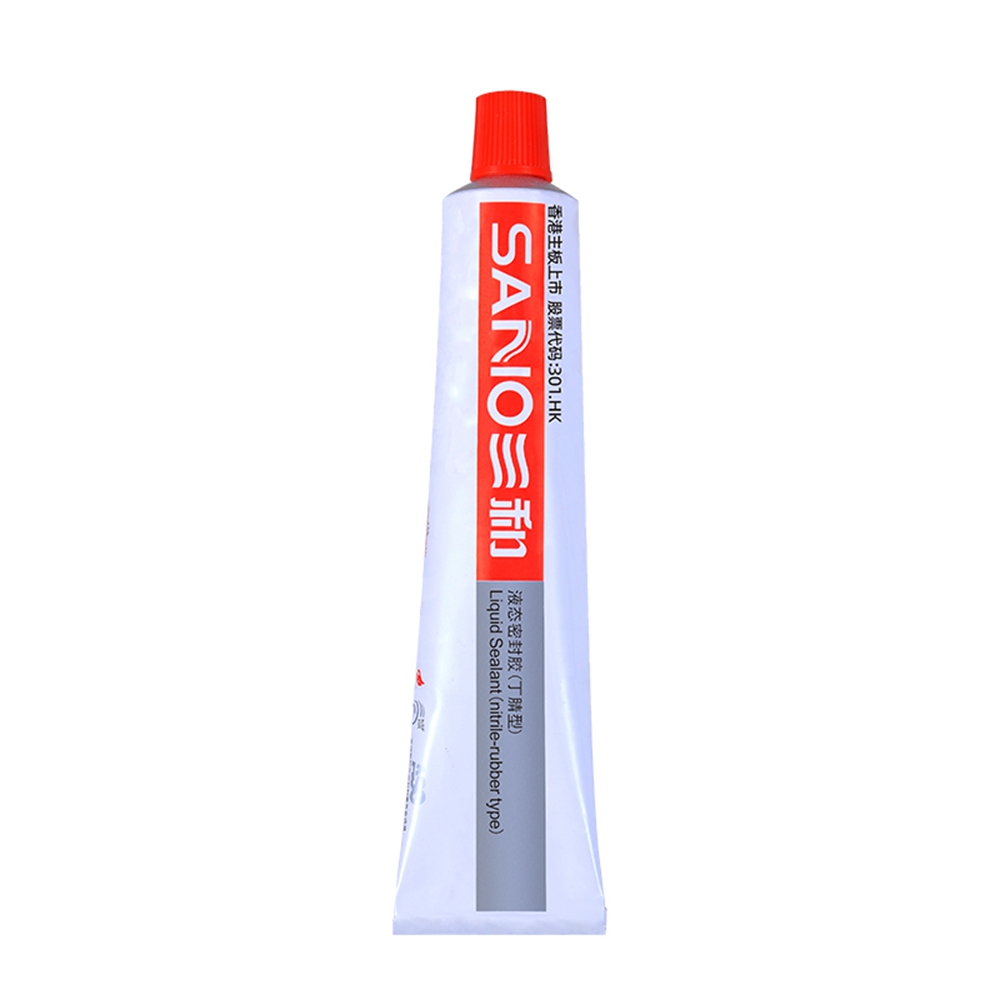
Consider post-storm repair programs in Florida after Hurricane Irma (2017): many contractors prioritized fast-curing, flexible coatings to reseal roofs and facades, and reports from repair bundles and regional construction briefs noted a shift toward polymer-based coatings rather than traditional bitumen patches. That shift often relied on liquid rubber sealant for quick waterproofing, because it can adhere over aged substrates and bridge small cracks while curing at ambient temperatures — a practical outcome consistent with product testing data and field reports from that period.
Alternatives and common pitfalls
Alternatives include solvent-based sealants, prefabricated membranes, and hot-applied bitumen. Each has trade-offs: solvents can meet adhesion targets but run afoul of VOC limits; membranes give mechanical robustness but complicate detailing at penetrations; hot-applied systems need specialized crews. Common mistakes are inadequate substrate preparation, mismatched thermal expansion coefficients, and underestimating cure time in humid or cold conditions. A fine chemicals partner can mitigate these by recommending adhesion promoters, rheology modifiers, or faster-reacting crosslinkers tailored to site conditions.
How manufacturers integrate technically and operationally
Practical integration occurs across three fronts. First, material design: custom oligomers or tailored tackifiers deliver target adhesion without excess plasticizer. Second, process support: consistent batch testing, certificate of analysis, and adjusted particle-size distributions preserve spray characteristics in aerosols. Third, regulatory and safety alignment: selecting low-VOC solvents, implementing REACH-compliant intermediates, and providing MSDS documentation reduces compliance risk. These functions collectively decrease field failures and speed time-to-spec for architects and procurement teams.
Concluding synthesis
When a formulation problem affects durability, compliance, or constructability, a fine chemicals manufacturer offers focused solutions—specific reactive monomers, adhesion promoters, and processing-grade additives—rather than generic fixes. That focus makes it easier for designers and contractors to select a technically appropriate adhesive, aerosol, or sealant system and to avoid the common field errors that cause rework. Work done with a reliable supplier like SANVO therefore appears as a practical extension of design risk management, not a marketing add-on.