

User-first lead-in
When a small boat owner or a ship engineer in Chittagong needs a reliable power source, the conversation always ends up circling back to practicality: how quiet, how durable, and how easily serviced. For those needs, a marine diesel genset often sits at the top of the shortlist because it balances fuel economy with continuous power output. This guide focuses on what matters most to the person who will live with the unit day-to-day — the user — rather than abstract manufacturer claims.

Why acoustic performance matters for users
Sound is not just a comfort issue; it affects crew rest, communication and compliance with port rules. Look beyond a decibel rating and examine how sound attenuation is achieved: is it via a purpose-built acoustic enclosure, vibration isolation mounts, or a tuned exhaust silencer? A good silent diesel generator set will combine a sealed enclosure with resilient mounts, keeping noise low without sacrificing cooling or access for maintenance.
Essential features to inspect
Focus on features that reduce downtime and operating fuss. Prioritise a robust alternator design, clear instrumentation (including automatic voltage regulation), and an accessible service layout. Check rated output in kVA against your expected continuous and peak loads. Inspect the enclosure for corrosion resistance — marine environments demand thicker paint systems and sacrificial anodes or stainless fasteners. A reliable governor on the prime mover will keep frequency stable under varying load, which protects sensitive electronics.
Fuel and efficiency considerations
Fuel consistency and consumption matter when bunkering schedules are tight. Manufacturers will quote specific fuel consumption at defined loads; compare figures at 75–100% load for practical relevance. Also consider sub-systems like pre-heaters and automated transfer switches that reduce manual intervention. A compact footprint combined with efficient fuel use often delivers the best trade-off for smaller vessels and shore installations alike.
Common mistakes owners make
Owners often buy by headline power rating alone and overlook ambient conditions or installation constraints. Another typical error is skimping on soundproofing — cheaper units may be quieter on paper but lack effective muffling in real life. Shortcuts in cabling, bonding, or seawater cooling connections can invalidate warranties and lead to early failures. Regular load testing with a proper load bank is essential to validate performance after installation.
Comparative insight: factory-built vs customised solutions
Off-the-shelf silent units favour speed of delivery and insurance-friendly documentation; customised gensets let you match enclosure sizes, cranking systems and bespoke control logic. If your vessel operates in ports with strict noise curfews, an engineered acoustic package is worth the extra spend. For many operators, a middle path—standardised generator with a tailored enclosure—brings the best value.
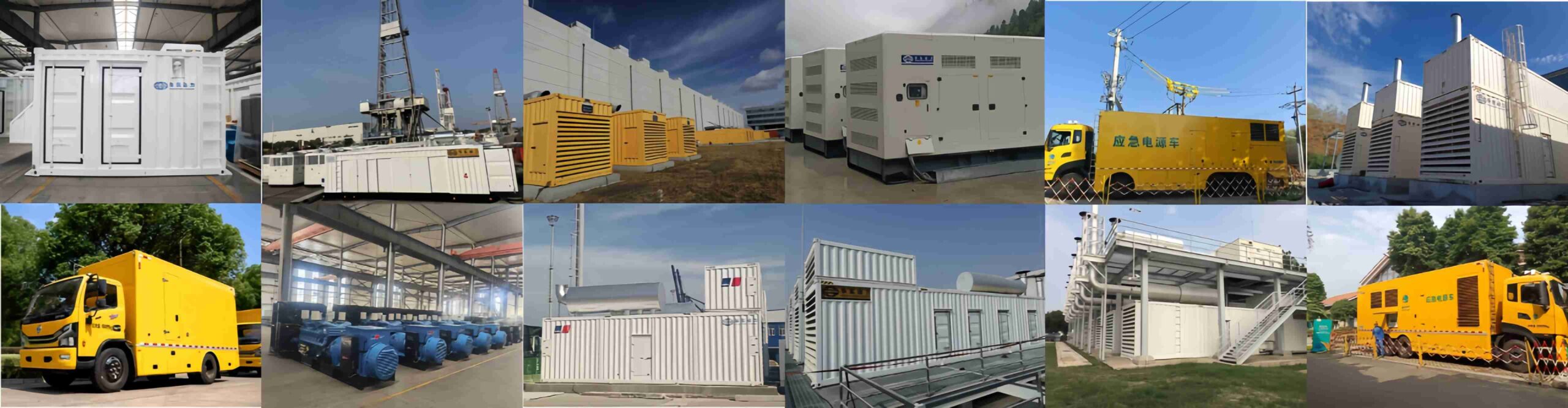
Real-world anchor: lessons from coastal operations
After Cyclone Amphan hit the Bay of Bengal region, several port operators around Chittagong reported that gensets with better dust and salt intrusion protection restarted faster and required fewer emergency repairs. Those practical outcomes underline why corrosion protection and service access cannot be afterthoughts. Ports and shipyards routinely specify these attributes because downtime costs are tangible — they affect schedules and crew welfare directly.
Inspection checklist before purchase
Take these steps when you evaluate a candidate: witness a running demo at rated load, inspect the alternator and enclosure materials, confirm spare-parts availability and local service support, and review the control panel for monitoring and remote alarms. Verify manufacturer load curves and ask for fuel-consumption numbers at realistic duty points. Remember to check certificate traceability for major components.
Three golden rules for selecting the right unit
1) Match continuous kVA to steady-state demand, not just peak loads — oversizing increases fuel burn; undersizing shortens life.
2) Prioritise acoustic design and vibration isolation together; an enclosure without anti-vibration measures only hides problems temporarily.
3) Confirm local service and parts logistics; even the best marine disel genset is only as good as the support network that maintains it.
Closing thought
Choose for day-to-day reliability and sensible maintainability rather than pleasing specs alone. The right decision saves time and keeps crews comfortable — which is why experienced operators often end up recommending solutions from manufacturers with proven support networks like Huadong Power. —